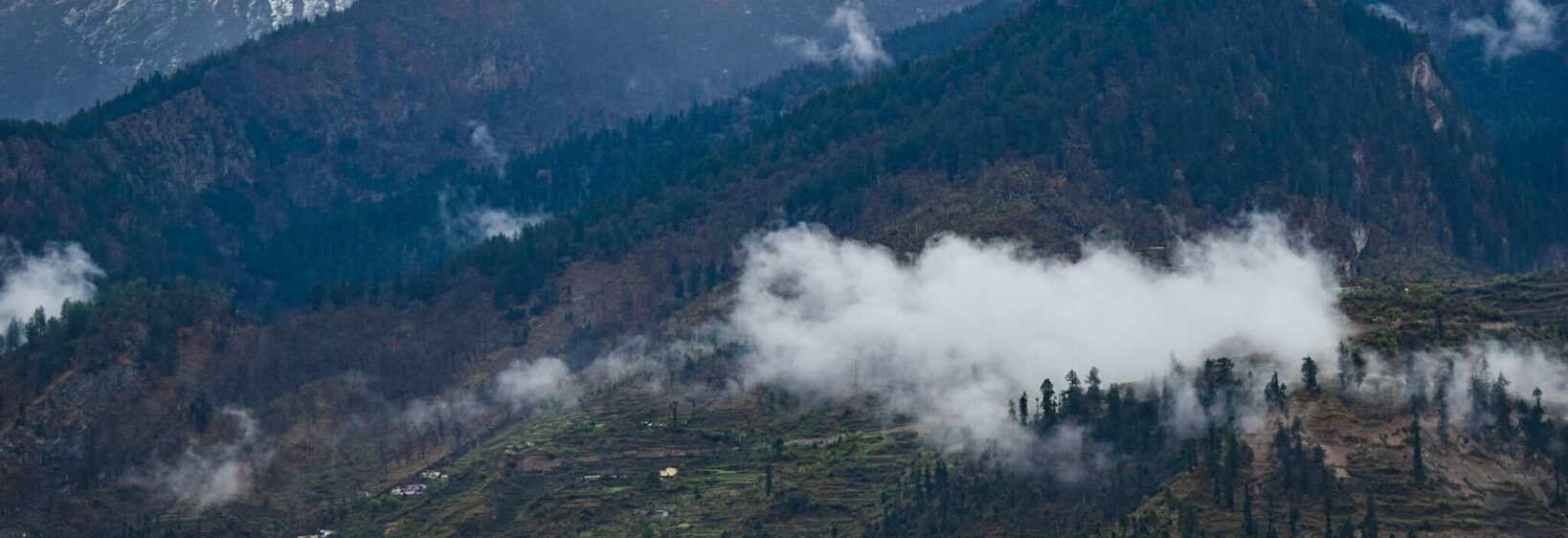
Nainital Zoo: high-altitude fauna and Himalayan wildlife portraits
Perched above Nainital in Uttarakhand, the Pt Govind Ballabh Pant High Altitude Zoo offers a close look at animals adapted to steep slopes, cold winters and thin mountain air. Its enclosures are set among deodar and Himalayan vegetation, creating a more natural setting than many city zoos.
For Australian visitors, it is a rewarding addition to a Kumaon itinerary. A morning here can complement boating on Naini Lake, a walk along Mall Road or a longer journey through Ranikhet and the hill villages around the lake.
A hilltop setting above Nainital
The zoo occupies Sher ka Danda hill at roughly 2,100 metres above sea level. The uphill location gives visitors views across forested ridges and the urban bowl of Nainital, though the paths can feel demanding if you have arrived directly from the plains.
Cool temperatures are common, especially from October to March. Take a light fleece, comfortable walking shoes and water. An Australian traveller used to a Sydney coastal climate or a warm Brisbane afternoon may find the sun pleasant while the shaded paths remain surprisingly cold.
Wildlife shaped by the Himalaya
The collection focuses on regional fauna, including Himalayan black bears, snow leopards, leopards, Himalayan monals, barking deer and other mountain species. These animals represent the forests and high valleys of Uttarakhand rather than an assortment of wildlife from unrelated continents.
The Himalayan monal is especially striking, with iridescent plumage that changes colour as it moves. Snow leopards are more elusive, so patience matters. Like spotting wildlife during a Tasmanian bushwalk, the best experience comes from observing quietly instead of expecting every animal to appear on cue.
A practical zoo visit
The zoo is reached by road from central Nainital, followed by walking through sloping sections. Shared jeeps, taxis and local tour vehicles are commonly used, while a private car offers more flexibility for families or small groups. Check current opening days and entry rules locally, as hill attractions may adjust arrangements during weather events or maintenance.
Morning is generally a sensible time to visit, when the air is clearer and some animals are active. Avoid feeding, tapping on barriers or using flash photography. Carry small notes for local purchases, although many established cafés, hotels and transport operators now accept digital payments.
| Animal or feature | What visitors may notice | Portrait approach |
|---|---|---|
| Himalayan black bear | Powerful build and thick dark coat | Use a longer lens and avoid sudden movement |
| Snow leopard | Pale markings and quiet, elusive behaviour | Wait patiently near the viewing area |
| Himalayan monal | Metallic blue, green and copper feathers | Photograph in soft morning light |
| Barking deer | Small size and alert posture | Watch forest edges and shaded spaces |
| Mountain forest | Deodar trees, slopes and changing light | Include habitat rather than filling every frame |
Reading the animals responsibly
A zoo portrait should show character without treating the animal as a prop. Give wildlife space, keep voices low and follow staff directions. The high-altitude setting is valuable because it connects visitors with species affected by habitat loss, road expansion and changing weather patterns across the Himalaya.
Australian visitors may recognise a similar conservation message from wildlife parks in Victoria or from seeing koalas and wombats at Healesville Sanctuary. The difference here lies in the mountain ecosystem: steep terrain, seasonal snow in nearby regions and species whose survival depends on connected Himalayan forests.
A useful stop for Australian travellers
Nainital works well within a slower holiday rather than a rushed day trip. Travellers from Melbourne or Perth may appreciate allowing a day to rest after reaching northern India, while those arriving from Delhi should expect a long road journey through increasingly winding terrain. Altitude, traffic and monsoon conditions can all affect arrival times.
Local travel is often arranged through hotels, drivers or regional operators, with prices varying by vehicle size, season and itinerary. During Australian school holidays, demand for India tours can rise, so confirming accommodation and transport in advance is sensible. Use familiar local language such as “thanks” and “no worries” with warmth, while remembering that polite Hindi greetings are appreciated.
Photography, culture and wider itineraries
The zoo is one part of a larger Nainital experience. Pair wildlife photography with the Governor’s House area, Naina Devi Temple, the lakefront and viewpoints around Snow View. Early starts are worthwhile for softer light, quieter roads and clearer ridge lines.
For visual planning before travelling, browse the Uttarakhand photo guides for ideas covering hill towns, temples, trekking routes and local landscapes. A compact camera or phone with a modest zoom is usually more useful than intrusive equipment, particularly when paths are crowded.
Respect for local life matters as much as photographic technique. Ask before photographing residents, shopkeepers or ceremonies, and avoid presenting religious places as mere backdrops. With patience, the zoo becomes more than a wildlife stop: it is a window into Kumaon’s mountain ecology and the living culture surrounding Nainital.