Kansar Village Chamoli: Pahadi Food and Homestay Life
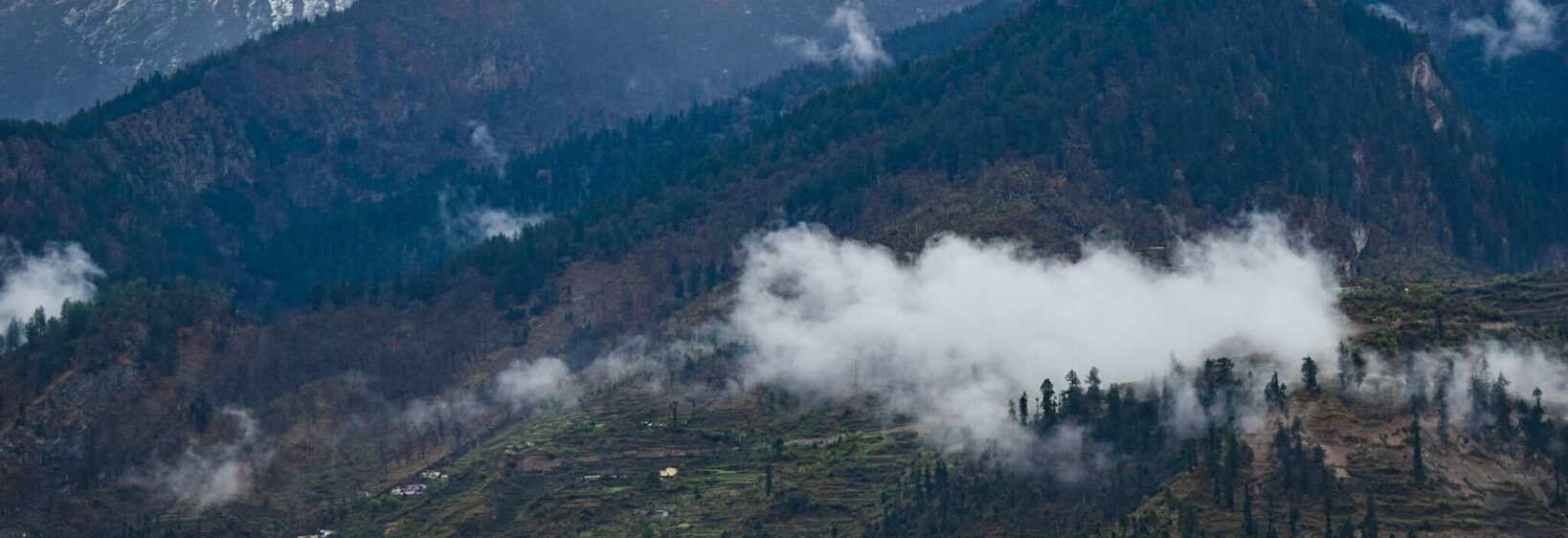
Kansar Village in Chamoli offers a quieter way to experience Uttarakhand, away from crowded hill stations and hurried sightseeing. Set among mountain forests, terraced fields and steep Himalayan slopes, the village provides an opportunity to see how everyday life is shaped by altitude, seasons and community.
A homestay here is less like a resort and more like being welcomed into a family home. Guests may eat food cooked over a traditional stove, walk through nearby hamlets, learn about local customs and wake to views that change with the morning light. For Australian visitors used to road trips from Melbourne or Brisbane, the journey may feel slow, but that slower rhythm is part of the appeal.
Reaching The Village
Kansar is located in Chamoli district, where roads wind through valleys and mountain settlements. Travellers commonly approach through the Rishikesh–Devprayag–Rudraprayag route or from Joshimath, depending on their wider itinerary. Shared jeeps and local buses connect important towns, although services can be infrequent and departures may depend on weather and passenger demand.
From Australia, a practical plan is to fly to Delhi, travel onwards by train or domestic flight towards Dehradun, and then continue by road. Build in extra time rather than arranging a tight schedule around a single connection. Australian school-holiday travellers should also expect higher demand for vehicles and accommodation during December–January and the April–June period.
Life In A Pahadi Homestay
A village homestay usually includes a simple private room, shared family spaces and home-cooked meals. Facilities vary, so guests may find Western-style bathrooms, intermittent hot water, limited mobile reception and modest heating. Confirm these details before booking, especially if you are travelling with children or need particular accessibility arrangements.
The warmth of the experience comes through ordinary routines. A host might show you a grain store, explain how terraces are cultivated or invite you to help prepare a meal. A useful “no worries” attitude helps when plans change, while a few Hindi words such as namaste, dhanyavaad and paani can make daily interactions more comfortable.
Traditional Food From Chamoli
Pahadi cuisine relies on local grains, pulses, leafy vegetables and ingredients that store well through winter. A homestay meal may include mandua roti made from finger millet, jhangore ki kheer prepared with barnyard millet, phaanu or chainsoo made with lentils, and seasonal greens flavoured with herbs and spices.
Meals are often filling rather than elaborate. Potatoes, rice, cucumber, radish and lentils may appear alongside chutneys made from coriander, sesame or local chillies. Tell the host about allergies and dietary needs in advance. Australian visitors accustomed to café breakfasts and flat whites may need to adjust to morning tea, paratha, chai and an earlier dinner.
| Homestay feature | What guests may experience | Helpful preparation |
|---|---|---|
| Meals | Millet breads, lentils, greens, rice and chai | Mention allergies and spice preferences |
| Rooms | Clean, basic accommodation in a family home | Carry a sleep liner and warm layers |
| Connectivity | Patchy mobile data and occasional power cuts | Download maps and keep a power bank |
| Local transport | Shared jeeps, buses and hired cars | Allow buffer time between stops |
| Cultural visits | Temples, farms, forests and village walks | Dress modestly and ask before photographing |
Walks, Views And Local Culture
Short walks around Kansar can reveal terraced agriculture, pine and oak woodland, mountain streams and small shrines. The best outings are arranged with a local resident who knows seasonal paths and can explain which areas are private or used for grazing. In monsoon months, slippery trails and landslides require particular care.
Photography is welcome when approached respectfully. Ask before photographing elders, kitchens, religious ceremonies or children. The visual character of the area—stone houses, woollen clothing, brass utensils and distant snowy ridges—can be explored through the UK Photos Gallery, which also covers Uttarakhand destinations and local attractions.
Responsible Travel In The Himalaya
Village tourism works best when money remains within the community. Choose a locally managed homestay, eat meals prepared by the host and pay fairly for guiding, transport and handmade products. Carry reusable bottles and avoid leaving snack wrappers, disposable plates or batteries behind.
A thoughtful visitor also respects water and fuel supplies. Keep showers short, use power carefully and do not demand imported food when local alternatives are available. These habits reflect wider responsible travel ideas, especially the principle that visitors should support local livelihoods without turning village life into a performance.
Planning A Comfortable Stay
Pack layers, sturdy walking shoes, sunscreen, a hat and basic medicines. Chamoli’s weather can shift quickly, and evenings may feel cold even when daytime conditions are pleasant. A small torch, cash in Indian rupees, offline maps and a power bank are useful because ATMs and reliable connectivity may be unavailable near the village.
Check road conditions before departure during the monsoon and winter, and keep emergency contacts with your driver or host. Australian travellers should also arrange suitable travel insurance covering trekking, road delays and medical evacuation. The most rewarding stay is one that leaves time for conversation, shared meals and quiet observation rather than trying to fit Kansar into a rushed Himalayan circuit.