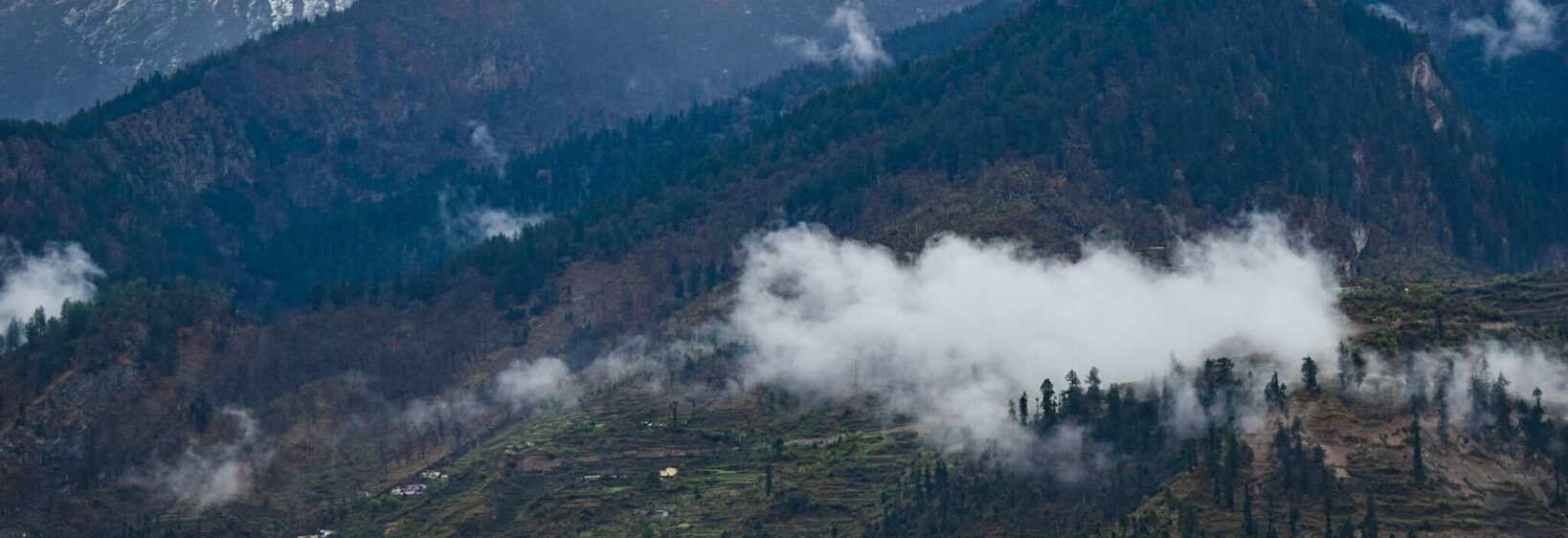
Sahastradhara Dehradun: Sulphur Springs and Limestone Caves Explored
Nestled in the foothills of the Himalayas, Sahastradhara (literally "thousand-fold spring") is one of Uttarakhand's most photographed escapes, just a short drive from Dehradun's city centre. Many visitors note the experience echoes Japan's scenic Kurobe route, where rail tracks thread through forested gorges in a similar blend of nature and human craft.
The site gets its name from the countless droplets of water cascading down the rocky cliffs, each one carrying dissolved sulphur and lime from underground aquifers. Visitors from Sydney, Melbourne, and Brisbane often pause here on longer India circuits, drawn by the promise of warm medicinal baths and quiet walking trails.
What surprises many first-timers is the compact mix on offer: a working cave system, dripping stalactites, bathing pools, a ropeway, and nearby temples. It is the kind of half-day stop that rewards slow exploration rather than rushed photography.
The sulphur springs and their reputation
The sulphur springs at Sahastradhara have drawn bathers for centuries. Local belief holds that the warm water, infused with sulphur and a faint mineral tang, soothes skin ailments and joint pain. While scientific studies on the exact composition vary, the visible yellow-greenish tint along the rock faces tells its own story of mineral deposition.
The water emerges at a noticeably warm temperature, which is unusual in the lower Himalayan ranges. Travellers flying in via Delhi often remark on how the gentle steam rising from the pools resembles a hot spring in the Australian Alps, only with a more fragrant, slightly sulphurous edge.
Exploring the limestone caves
A short walk uphill from the springs leads to a network of limestone caves, where visitors can duck into cool chambers shaped by millennia of dripping water. The formations here are modest compared with the famous Borra Caves in Andhra Pradesh, but the texture and the echoing acoustics feel intimate and personal.
Guides point out a small resident colony of bats, fossilised marine shells pressed into the rock, and a chamber that lights up when sunlight hits at a certain angle. Photography enthusiasts often feature this spot in their Uttarakhand travel collections, and the ukphotosgallery.com site includes several image essays that capture the diffused light bringing out ochre tones in the walls.
When to visit and how long to stay
The best months to plan a trip are September through March, when the weather stays cool and the waterfalls flow generously. April and May bring hotter days, while the monsoon turns the paths slippery. Many travellers combine Sahastradhara with a Dehradun city walk that includes Robber's Cave and the Mindrolling Monastery.
A half-day is enough to see the main pools, the caves, and the cable car up to the upper viewpoints. Those who want to stretch the day can continue to Mussoorie, the Queen of Hills, which sits about 35 kilometres away and offers a completely different mountain-town vibe.
Activities around Sahastradhara
Beyond bathing and cave walks, the area offers paragliding at nearby Maldevta, short treks through sal forests, and birding along the Baldi river. The ropeway to the upper Sahastradhara viewpoint gives sweeping frames of the Doon Valley, especially around golden hour.
Local stalls sell hand-knitted shawls, wooden prayer beads, and small clay lamps. Food options remain simple: steaming cups of masala chai, maggi noodles, and locally foraged greens. The setting is a refreshingly unpolished counterpoint to the polished cafe scene many visitors know from home.
Practical travel tips
Carry modest cash, as card acceptance is patchy at smaller stalls. Wear sturdy shoes with grip, particularly if the rocks appear damp. The sulphur smell is mild but persistent, so light layers that you can wash afterwards work best.
Respect local customs at the small shrines nearby: remove footwear, keep voices low, and ask before photographing devotees. Hiring a local guide through a Dehradun-based operator usually costs less than a Sydney city sightseeing pass and unlocks stories the signage never shares.
Pairing Sahastradhara with a wider Uttarakhand loop
Sahastradhara works well as a soft start before harder treks like the Valley of Flowers or the Kuari Pass. Travellers flying into Delhi often combine it with a night in Rishikesh for yoga, a stop in Haridwar for the evening Ganga Aarti, and then push north toward Joshimath and the higher Himalayan trails.
The same mineral-rich geology that shapes Sahastradhara reappears in cave shrines further up the state, giving the whole region a quietly connected feel. Below is a quick comparison of the key spots within easy reach of Dehradun.
| Attraction | Time Needed | Best Season | Highlight |
|---|---|---|---|
| Sulphur Springs | 1-2 hours | Oct-Mar | Warm mineral pools |
| Limestone Caves | 45 minutes | Sep-Apr | Fossil shells and echoing chambers |
| Upper Viewpoint Ropeway | 30 minutes | Oct-Feb | Doon Valley panoramas |
| Maldevta Paragliding | 2-3 hours | Nov-Apr | Tandem Himalayan flights |
| Robber's Cave (nearby) | 1 hour | Sep-Mar | River-cut gorge walk |