Uttarakhand’s Hill Forts: Exploring Chandpur’s Ruins
High in the Garhwal Himalaya, old stone strongholds reveal a side of Uttarakhand that is often missed by travellers rushing towards famous temples and hill stations. Chandpur Garh, also known as Chandpur Fort, survives as a powerful reminder of the region’s medieval hill kingdoms.
The site is less polished than a conventional monument. Its appeal lies in weathered masonry, forested slopes, quiet village paths, and the sense of history embedded in the landscape. Visiting Chandpur is as much a cultural journey as a sightseeing trip.
The ruins are especially rewarding for travellers interested in Garhwali heritage, mountain architecture, local legends, and photography. A little preparation is important, since facilities around the fort are limited and the approach may involve uneven walking.
The story behind Chandpur Garh
Chandpur Garh is associated with the early history of the Garhwal kingdom and the formation of a political centre in the central Himalaya. Historical accounts connect the fort with the Panwar rulers, although dates and details vary between local traditions, genealogies, and written sources.
The word garh means a fortified settlement or stronghold. In Uttarakhand, these forts were often built on ridges and naturally defended slopes rather than broad plains. Their position allowed rulers to watch mountain routes, control movement, and use the surrounding terrain as part of the defence system.
A fortress shaped by the mountains
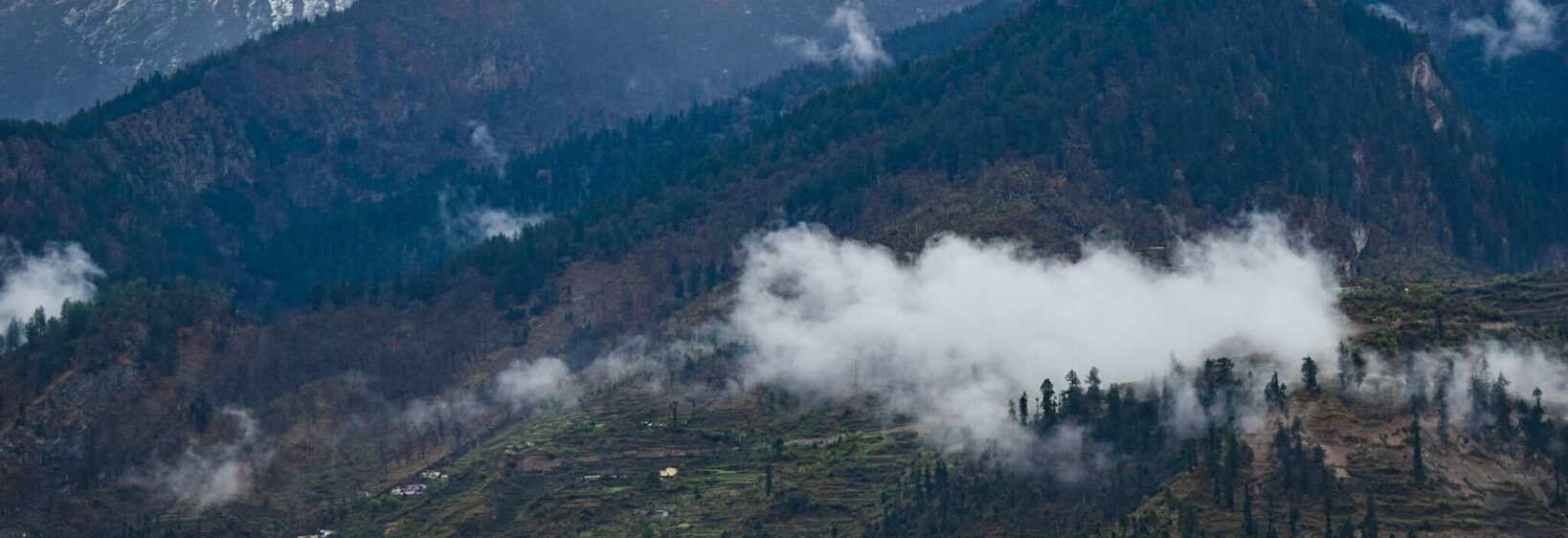
The setting is one of Chandpur’s greatest attractions. Steep hills, deep valleys, terraced fields, and scattered forests create a dramatic backdrop for the remaining walls. In clear weather, the changing light gives the stones a different character throughout the day.
Visitors should expect a ruin rather than a restored palace. Broken walls, foundations, stone fragments, and overgrown sections may be visible around the site. These remains require imagination, but they also offer a more intimate experience than heavily developed tourist monuments.
What to look for among the ruins
The surviving masonry can help visitors understand how Himalayan forts were adapted to difficult terrain. Thick stonework, compact defensive spaces, elevated positions, and narrow approaches were practical responses to the landscape. Local building materials also helped the fort blend into its surroundings.
Chandpur’s value extends beyond its architecture. Stories about former rulers, battles, religious practices, and nearby settlements form part of the living heritage of the area. Speaking respectfully with local residents or hiring a knowledgeable guide can add context that is not available on a signboard.
| Feature | What visitors may experience |
|---|---|
| Historical character | Ruins connected with Garhwal’s medieval hill-state tradition |
| Landscape | Forested ridges, terraced fields, and Himalayan valley views |
| Architecture | Rough stone walls, foundations, and defensive positioning |
| Photography | Textures, village life, mountain light, and wide landscapes |
| Facilities | Limited services, so food, water, and transport need planning |
| Best approach | Slow travel with local guidance and comfortable walking shoes |
Planning the journey
Chandpur is better suited to travellers who enjoy heritage walks and lesser-known destinations than to those seeking a fully managed attraction. Road conditions, local transport, and walking access can vary by season, so confirm the latest route information before setting out.
The wider Garhwal region is also connected with important pilgrimage and trekking corridors. If Chandpur is part of a longer mountain itinerary, consult this Kedarnath trek guide for useful planning ideas about permits, routes, weather, and responsible photography.
When to visit and what to carry
Spring and autumn generally offer comfortable conditions for exploring the hills, with clearer views and more manageable walking temperatures. Summer can be pleasant at altitude but may bring occasional rain, while the monsoon can make paths slippery and obscure distant scenery.
Carry drinking water, snacks, sun protection, a light rain layer, and footwear with reliable grip. A charged phone, offline maps, basic first-aid supplies, and some cash are sensible additions because mobile coverage and nearby shops may be inconsistent.
Travel respectfully through the region
Chandpur is part of a lived-in cultural landscape, not an abandoned set built for tourism. Avoid climbing fragile walls, removing stones, writing on surfaces, or entering areas that local residents identify as sacred or unsafe. Keep noise low and take all litter back with you.
Photography is welcome when it is considerate. Ask before photographing people, religious activity, or private homes, and give yourself time to capture details such as moss-covered stone, carved fragments, mountain paths, and changing shadows rather than relying only on wide views.
Make the most of a heritage visit
- Pair the fort with nearby villages, temples, or viewpoints where practical.
- Start early to allow for slow walking and changing mountain weather.
- Hire local guidance when available to understand oral history and access routes.
- Keep the visit low-impact by avoiding litter, plastic waste, and damage to old walls.
- Record the journey through photographs and notes rather than disturbing the site.
Chandpur’s ruins reward patience. They offer a quiet encounter with Garhwal’s fortified past, where history is read through stones, slopes, stories, and the continuing life of mountain communities. Add this atmospheric heritage stop to a carefully planned Uttarakhand journey and experience a less familiar, deeply rooted side of the Himalaya.