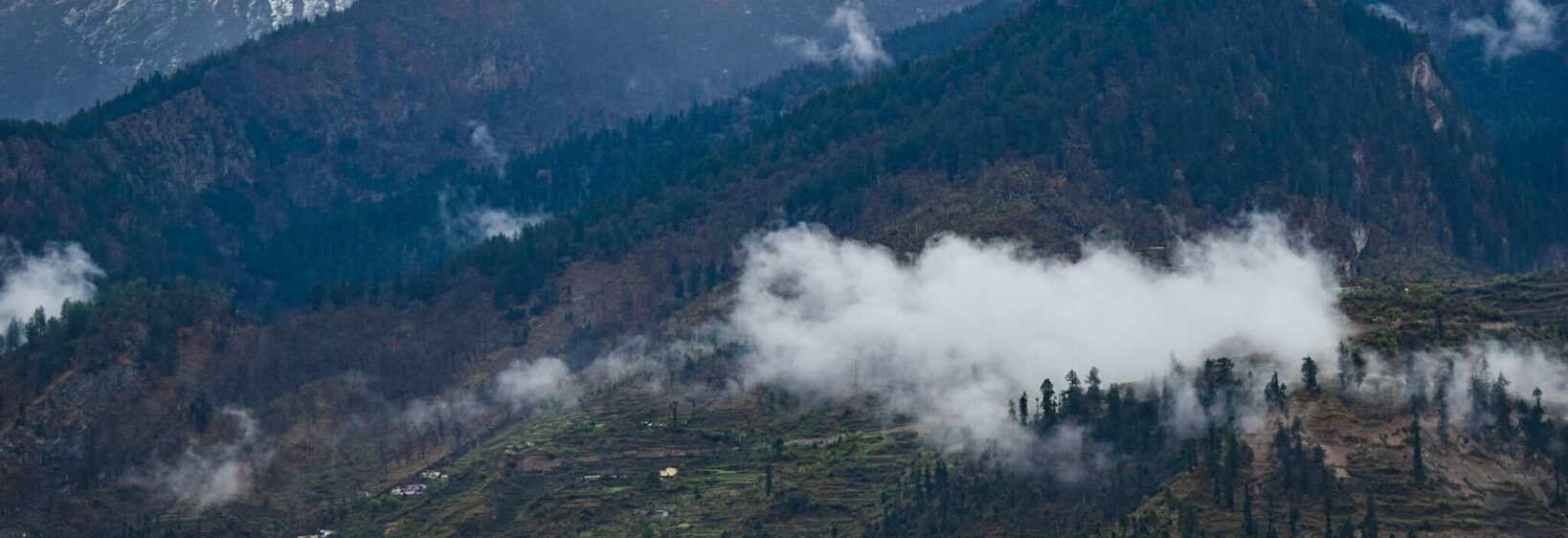
Jaitikhan Village and the Quiet Magic of Himalayan Sunrise Terraces
Tucked into a quiet corner of the Garhwal hills, Jaitikhan is the kind of hamlet travellers stumble upon once and then describe for years to friends in Carlton or Newtown. The village is small, the lanes stone-paved, and the fields step down the hillside in neat, hand-cut tiers worked for generations. It sits in a part of Uttarakhand where winter air smells of pine and the morning sky turns a colour most only see in posters. For Australian readers planning something slower than a weekend in Byron, this corner of the Indian Himalayas is worth a serious look.
The appeal is simple: terraces you can walk through, ridges to climb before breakfast, and sunrises with the stillness hard to find between Melbourne trams and Bondi crowds. Visitors come for the views but stay for the farming culture, small temples, and the chance to trade Sydney's rush for a slower Himalayan rhythm. It is also a useful counter-season escape for travellers who find their winters too short for proper snow.
The village has begun to feature in regional photo essays, and you can see more curated imagery from across Uttarakhand at ukphotosgallery.com. For travellers planning the wider Indian side of the trip, la Ruina Gráfica has a small collection of resources worth browsing before booking flights.
Where Jaitikhan Actually Sits
The village lies in Chamoli district, a few hours from Joshimath and not far from the higher pilgrim circuits toward Hemkund Sahib and the Valley of Flowers. The road climbs steadily from the Alaknanda valley, switching back through pine and rhododendron forest before opening out into fields. Most travellers arrive by taxi from Haridwar or Rishikesh, though shared jeeps are common in warmer months.
Elevation sits in the 1,800 to 2,200 metre band, keeping the climate cool even when Delhi is melting. Because the village faces east, the first light breaks over the distant Himalayan ridgeline rather than the houses themselves, which is part of what makes the sunrise points here so special. Aussies used to cool Tassie dawns or crisp Grampians mornings will find the air familiar, if a touch sharper.
How Terrace Farming Shapes the Landscape
Terrace cultivation in Jaitikhan is not a heritage display. It is how people still eat. The fields are cut into the slope and supported by stone walls that are themselves old. Each terrace is narrow, often no wider than two arms, and crops are rotated seasonally. Walking through them in early light, with a cup of chai, feels closer to a working farm than a museum piece.
The farmers here grow a mix of staples and a few less obvious crops:
- Mandua (finger millet) and jhangora (barnyard millet), used for rotis and porridge
- Potatoes, peas, and seasonal greens for the home kitchen
- Apples, apricots, and walnuts in orchards along warmer ridges
The terraces also shape how visitors move through the village. Every path zigzags, and each turn reveals another frame-worthy view. It is the kind of slow, layered landscape photographers love, with shifting light that even those used to chasing colour across the Kimberley find surprising.
The Sunrise Points Above the Village
There are three main ridges where visitors gather before dawn. The closest is a fifteen-minute climb behind the village temple. The second, an hour up, offers a wider sweep of the valley. The third is a half-day walk onto an open meadow used as a summer grazing ground for cattle.
Each point has its own feel. The lower one draws families with thermoses and shawls. The middle ridge pulls photographers because the foreground terraces catch the first pink light. The third meadow suits walkers who would rather move in silence, with the cleanest horizon of the three. Locals often share the Garhwali names of the peaks visible from each ridge.
When to Visit
The village is at its most welcoming from March to May and again from September to November. Spring brings rhododendron blooms along the upper trails and freshly turned terraces. Autumn offers clear Himalayan views and apple harvests. The monsoon months of July and August bring heavy downpours and the occasional landslide, and higher trekking routes close for safety.
For Australian travellers, the calendar flips in their favour. Their summer holidays arrive as the Garhwal hills turn lush and green after the monsoon, with terraced fields full of new crops. Their winter lines up with Uttarakhand's clear autumn, perfect for sunrise hikes and high ridge walks. Either window works well, depending on the kind of trip you want.
Local Life, Food, and Festivals
Life in Jaitikhan moves with the sun and the sowing calendar. Most families are subsistence farmers, with a handful running small guesthouses. The village has a primary school, a basic health centre, and a temple that comes alive during festivals like Harela. Visitors who pause to chat over chai are often invited to share a meal of mandua roti, pahadi dal, and whatever vegetables are in season.
Pahadi cuisine leans heavily on lentils, greens like lingora and kafal, and locally ground millets. Forest honey appears in autumn, and apples make a brief but glorious appearance in late summer. Australian travellers used to long brunches on Hardware Lane will find this food slower, plainer, and strangely more satisfying once the altitude settles in.
Getting There and What to Pack
Most Australian visitors arrive via Delhi, then catch an overnight train or short flight to Dehradun before continuing by road. The village has no ATM and patchy mobile data, so carrying enough cash is sensible. Permits are not required, though inner-line checks exist for nearby protected zones.
A short packing list helps more than any guidebook:
- Layers for cool mornings and warmer afternoons
- Sturdy shoes with grip for wet terrace paths
- A head torch for the pre-dawn walks
- Sunscreen and a hat, as the sun above the snow is sharp
Jaitikhan rewards travellers who turn up curious and unhurried. The terraces keep working, the sun keeps rising, and the village keeps doing what it has done for a long time.