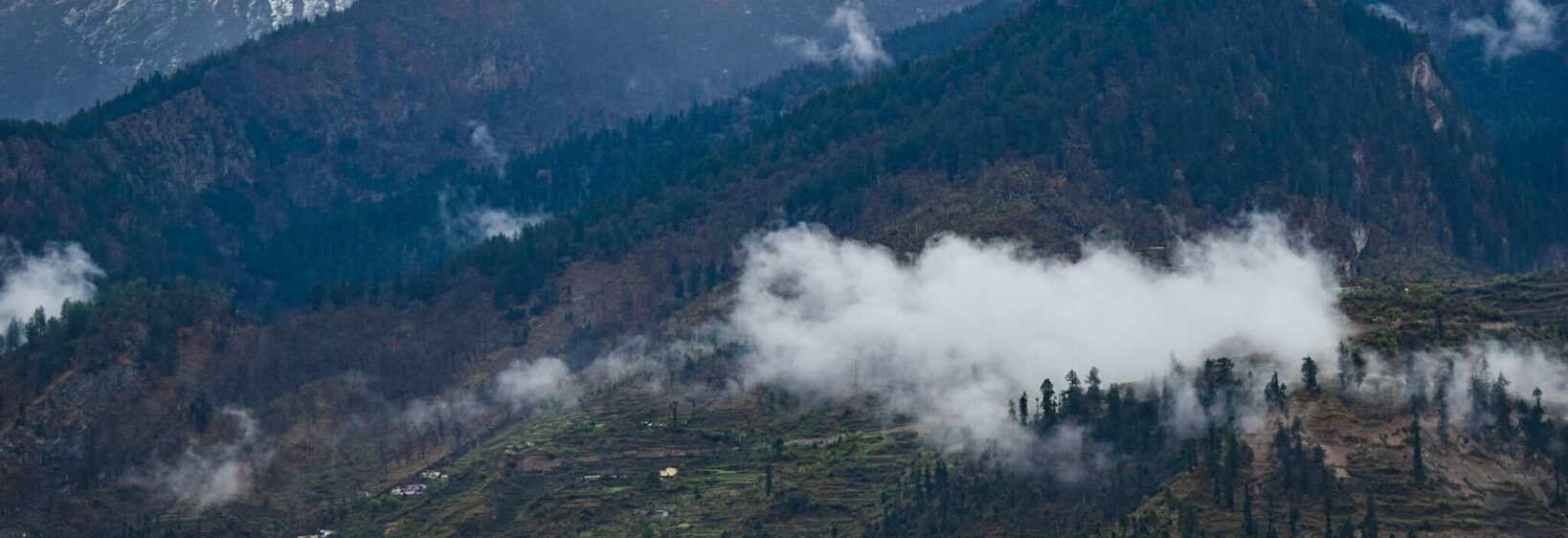
Photographing Hathi Parvat: Elephant Mountain Views
Photographing the Hathi Parvat is an opportunity to capture one of the memorable mountain silhouettes of Uttarakhand. Known as Elephant Mountain, this high Garhwal peak rises above the landscape around Joshimath and the Alaknanda valley, changing character with the weather, season, and direction of light.
The best photographs do more than record a distant summit. They show scale, atmosphere, and connection: a snow-covered ridge behind pine forests, a village trail leading toward the heights, or prayer flags moving in the cold wind. A thoughtful composition can express the quiet grandeur of the Himalaya without requiring a difficult summit expedition.
This region also rewards patience. A clear morning may reveal sharp ridgelines, while afternoon clouds can create dramatic layers across the valley. For wider Uttarakhand travel inspiration, browse the Uttarakhand photo gallery before planning a route and choosing visual themes.
Reading the Mountain From Joshimath
Joshimath is one of the most practical bases for finding Elephant Mountain views. Roads, terraces, temple areas, and elevated neighbourhoods offer changing sightlines, although nearby buildings and trees can obstruct the peak from some locations. Walk a little beyond the busiest streets and look for open viewpoints facing the surrounding Himalayan range.
The mountain may appear modest in a wide landscape photograph, so spend time studying its outline through a telephoto lens or binoculars. Note distinctive snowfields, ridges, and adjacent peaks before deciding where to stand. Local residents, drivers, and guides can often identify the clearest seasonal viewpoints more accurately than a map alone.
Building Depth Into the Frame
A distant summit becomes more powerful when the foreground gives it scale. Include deodar or pine branches, stone houses, cultivated terraces, suspension bridges, or a winding road. These elements anchor the photograph in Uttarakhand rather than making it look like an isolated stock image of snow peaks.
Try several focal lengths. A wide lens can place Hathi Parvat within the larger Garhwal Himalaya, while a medium telephoto lens compresses layers and highlights the mountain’s elephant-like profile. Avoid placing the summit in the exact centre every time; leaving open sky or a valley corridor can make the composition feel more spacious.
Working With Himalayan Light
Early morning is usually valuable for mountain photography because the air is often calmer and the shadows are longer. Soft golden light can reveal folds in the slopes, while fresh snow reflects subtle pink, orange, and blue tones before sunrise. Arrive early enough to set up without rushing and watch the peak as the light moves across it.
Clouds should not automatically be treated as bad weather. Thin mist can separate foreground ridges, and broken cloud can create shafts of light that add depth. Protect cameras from sudden moisture, keep spare batteries warm, and use a lens cloth frequently in changing high-altitude conditions.
| Shooting moment | Visual character | Useful approach |
|---|---|---|
| Before sunrise | Cool tones and silhouette | Use a tripod and expose for the sky |
| First sunlight | Warm ridges and snow detail | Bracket exposures carefully |
| Midday | Strong contrast and clearer colours | Use a polarising filter selectively |
| Cloudy afternoon | Soft layers and atmospheric depth | Emphasise shapes and negative space |
| Blue hour | Deep mountain tones and village lights | Stabilise the camera and keep ISO controlled |
Camera Settings For Sharp Landscapes
A tripod helps maintain detail when using a narrow aperture such as f/8 or f/11. Keep the ISO low in bright conditions, and focus around the hyperfocal distance when both the foreground and distant peaks need to remain sharp. If the mountain is the main subject, focus directly on a well-defined ridge and review the image at full magnification.
Shoot in RAW format to preserve detail in bright snow and dark forest areas. Slight underexposure can protect highlights, but check the histogram rather than relying only on the camera screen. A graduated neutral-density filter may help balance a bright sky with a shadowed valley, while exposure bracketing is useful for difficult contrast.
Travelling With Respect
Many routes around Joshimath connect with sacred places, village settlements, and pilgrimage corridors leading toward Badrinath and other Himalayan shrines. Photography should respect worshippers, local customs, private homes, and restricted temple spaces. Ask permission before photographing people, especially during ceremonies or in smaller communities.
Keep the landscape undisturbed. Avoid trampling crops or alpine plants for a better angle, carry litter back, and do not move prayer objects or stones. A local guide can improve both safety and cultural understanding, particularly when weather changes quickly or a viewpoint lies away from the main road.
A Practical Shooting Checklist
Preparation is especially important in mountain destinations, where a short walk can involve steep paths, cold wind, and limited services. Pack for the conditions rather than the forecast alone, and leave enough time to return before darkness.
- Carry a wide lens, a telephoto lens, spare batteries, and extra memory cards.
- Use a tripod, lens cloth, rain cover, and a small headlamp.
- Check sunrise direction, road conditions, and local weather before leaving.
- Wear layered clothing and sturdy shoes for uneven viewpoints.
- Save offline maps and share your route with someone at your accommodation.
Review your photographs each evening and record the viewpoint, time, weather, and lens used. These notes make it easier to return during another season and compare clear winter detail with monsoon mist or autumn light.
Plan a responsible photography trip to Joshimath, explore the accessible viewpoints around the Alaknanda valley, and give yourself time to see Hathi Parvat in changing Himalayan light. Share the finished images through your travel journal or photography collection so the landscape, culture, and atmosphere of Uttarakhand remain connected in every frame.