Syahi Devi Temple in Almora: A Forest Shrine and Leaping Goddess Legend
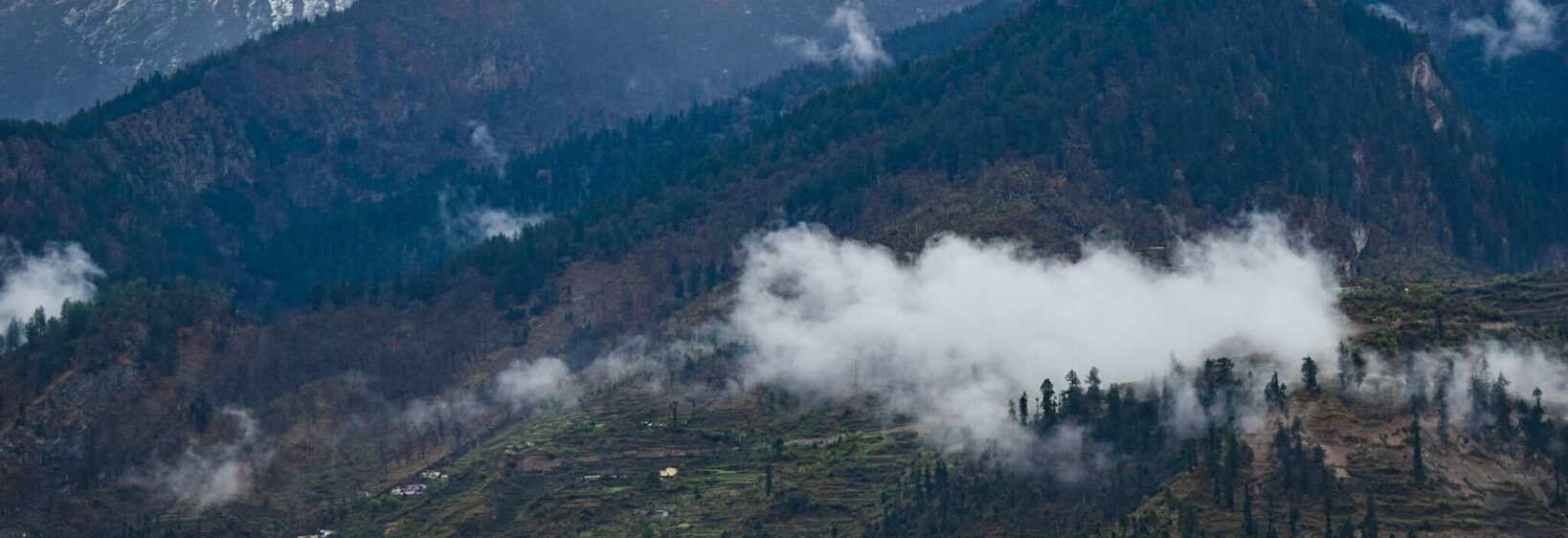
Set among the wooded hills near Almora, Syahi Devi Temple is a quiet Kumaoni shrine surrounded by oak, deodar and rhododendron forest. Its appeal lies in the setting as much as the worship: visitors arrive at a place where mountain paths, village belief and a powerful local goddess meet.
The temple is associated with Syahi Devi, a protective deity revered by people in the surrounding villages. The shrine is less formal and crowded than many famous Himalayan pilgrimage sites, making it well suited to travellers who enjoy sacred places with a strong connection to nature.
Local storytelling gives the goddess a dramatic history. In one popular version, she appeared or leapt across the mountains to protect the area, leaving behind a sacred presence in the forest. Details vary between families and villages, as oral traditions commonly do in Uttarakhand, yet the image of a goddess moving swiftly through the hills remains central to the shrine’s character.
For Australian visitors, the experience may feel different from a managed attraction near Sydney, Melbourne or Brisbane. There are fewer signs, quieter facilities and a stronger expectation that visitors will read the landscape respectfully. The journey is best treated as a cultural walk rather than a quick stop for photographs.
| Feature | What Visitors Can Expect |
|---|---|
| Setting | Forested hills near Almora |
| Religious importance | A local shrine dedicated to Syahi Devi |
| Atmosphere | Peaceful, rustic and devotional |
| Best experience | A slow visit combined with a Kumaon sightseeing trip |
| Visitor priority | Modest dress, quiet behaviour and care for the forest |
The Forest Setting Around The Shrine
The approach to the temple passes through a landscape typical of the Kumaon Himalayas. Oak woodland offers shade, while deodar trees give the slopes a cool, aromatic quality. In spring, rhododendron flowers add vivid colour, and birdsong often carries farther than conversation.
This natural setting is important to the temple’s identity. The forest is not simply a backdrop for a building; it forms part of the sacred atmosphere. A visitor accustomed to clearly marked Australian bushwalking trails should expect uneven ground, occasional slippery sections and limited infrastructure.
The Leaping Goddess Legend
Syahi Devi’s legend is preserved mainly through local memory, devotional visits and spoken accounts. The goddess is often understood as a guardian figure whose movement through the hills symbolises protection, strength and freedom. Her leap gives the shrine a distinctive story compared with temples defined by a single architectural feature.
Such stories should be approached with the same care given to Aboriginal cultural places in Australia: listen, avoid treating sacred belief as entertainment, and recognise that different communities may tell the story in different ways. Asking a local guide or priest respectfully can reveal details that are absent from printed travel material.
Worship And Local Customs
Devotees may bring flowers, incense, sweets or other traditional offerings. Visitors do not need to perform a ritual, but they should observe what others are doing before taking photographs. Remove footwear where requested, keep voices low and avoid placing personal objects on the shrine.
Photography may be welcome outside the inner sanctum, though permission is the safest approach. The customs are closer to visiting a living place of worship than entering a museum. This distinction matters when planning a photo-focused journey through UK Photos Gallery, where visual storytelling can still be balanced with local respect.
Planning A Visit From Australia
Almora is reached by road from the broader Kumaon region, with journeys often taking longer than distances on a map suggest. Travellers flying from Australia may connect through major Indian cities before continuing by road. Allowing extra time is sensible, especially during monsoon weather, winter fog or busy Indian holiday periods.
Australian habits such as carrying a refillable water bottle, using high-SPF sunscreen and wearing a hat are useful in the Himalayan sun. However, Australian national-park expectations should be adapted to local conditions: do not assume every trail has toilets, bins, railings or emergency signage. India’s single-use plastic rules and local restrictions can differ by state and site, so carry rubbish out and follow posted instructions.
What To Carry And What To Avoid
A small day pack is enough for most visits. Wear firm shoes, carry a light rain layer and keep some Indian rupees for transport, offerings or a simple snack, since card facilities may not be available near a rural shrine. The local market in Almora is a good place to buy fruit, water and regional sweets before heading into the hills.
Useful items include:
- Comfortable walking shoes with reliable grip
- Water, sunscreen and a lightweight rain jacket
- A scarf or modest layer for temple visits
- A phone power bank and offline map
Please avoid:
- Loud music, drones or intrusive filming
- Touching sacred objects without permission
- Leaving food wrappers along the trail
- Picking flowers, plants or forest products
Combining The Temple With Almora
A visit to the shrine can form part of a wider Almora itinerary, alongside old markets, hillside viewpoints, Kumaoni food and nearby temples. Travellers interested in regional culture may also explore local handicrafts and learn how seasonal festivals connect villages with their deities.
Those arranging a longer Himalayan trip should compare road transfers, accommodation and weather carefully. Independent travellers can combine the temple with destinations such as Ranikhet or Binsar, while organised visitors may find local transport planning easier through a specialist operator; broader travel ideas and cultural journeys are also available through regional travel resources.
Syahi Devi Temple rewards patience. Its significance comes from the meeting of forest, faith and folklore, with the leaping goddess legend giving the quiet hillside an enduring sense of movement and protection.