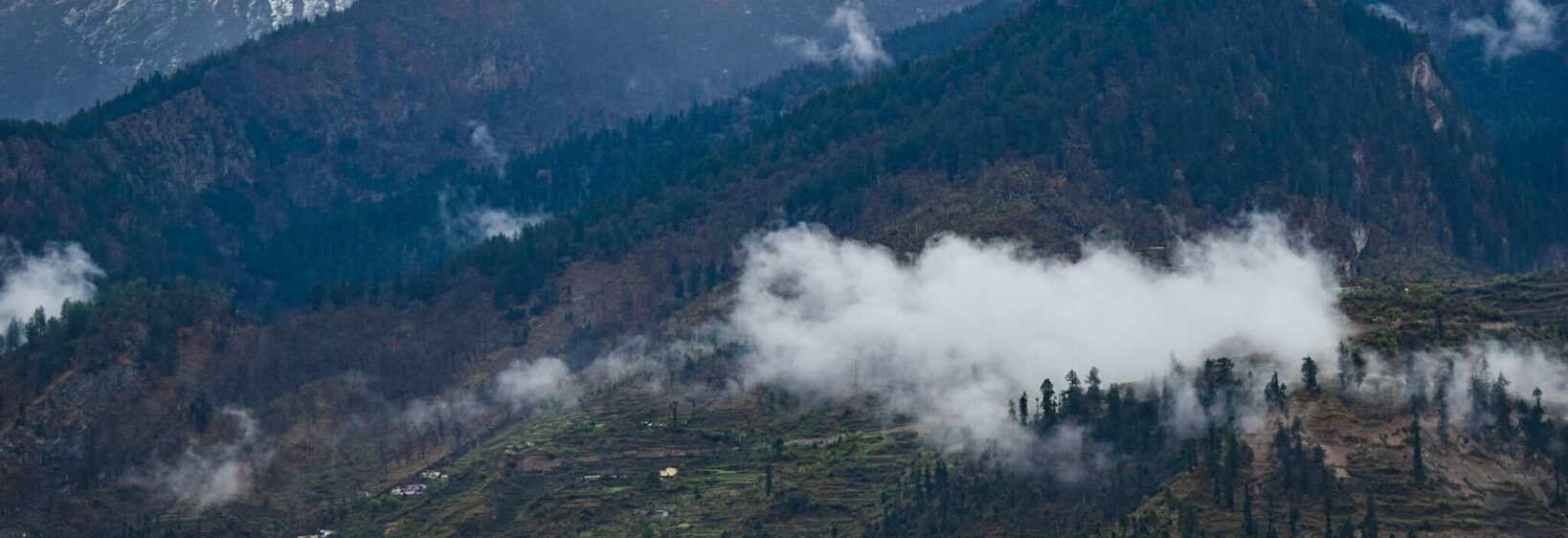
The Kalika Temple in Joshimath: A Spiritual Stop
Joshimath, also known as Jyotirmath, is more than a gateway to high Himalayan journeys. The town holds an important place in Uttarakhand’s religious landscape, with ancient shrines, quiet lanes, mountain views, and traditions that connect everyday life with pilgrimage.
Among its lesser-discussed sacred places, the Kalika Temple offers a peaceful stop for visitors exploring the town. Dedicated to Goddess Kali, the shrine reflects the fierce yet protective aspect of Shakti and provides a more intimate experience than Joshimath’s busiest religious landmarks.
A visit fits naturally into a wider journey through the Garhwal Himalayas. Travellers interested in local customs, temple architecture, and mountain photography can also browse Uttarakhand travel stories for ideas before planning their route.
A quiet shrine in a historic town
Kalika Temple is associated with Goddess Kali, a powerful form of the divine feminine in Hindu tradition. Devotees often visit to offer prayers for courage, protection, and strength during difficult phases of life. The atmosphere is generally calm, making the shrine suitable for visitors who prefer reflective moments over crowded sightseeing.
Joshimath itself has deep spiritual importance. It is one of the four principal mathas traditionally linked with Adi Shankaracharya, and its temples form part of a living religious network rather than a collection of monuments separated from the local community.
Spiritual meaning and local faith
Kali is commonly understood as a force that removes fear, destroys negativity, and protects devotees. At a small hill temple, these ideas can feel closely connected to the environment: steep slopes, changing weather, forested ridges, and the uncertainty of high-altitude travel all encourage humility and awareness.
The shrine may be especially meaningful during festivals and special worship days, when lamps, flowers, bells, and devotional music create a stronger sense of community. Visitors should remember that worship practices can vary, so observing quietly and following local customs is the most respectful approach.
What visitors may experience
The appeal of the temple lies in its simplicity. Depending on the season and time of day, visitors may find a modest sanctum, prayer offerings, bells, and a steady flow of local worshippers. The surrounding Himalayan setting adds to the experience without requiring a long trek or elaborate excursion.
Photography should be handled carefully. Exterior views, mountain scenery, and details such as bells or traditional entrance features may be suitable, but permission is wise before photographing the inner shrine, priests, or people engaged in prayer. A few unhurried minutes can be more rewarding than treating the visit as a quick photo stop.
| Feature | Kalika Temple | Narsingh Temple | Bhavishya Badri |
|---|---|---|---|
| Main character | Intimate shrine dedicated to Goddess Kali | Important Vaishnavite temple in Joshimath | Remote pilgrimage site surrounded by nature |
| Best suited for | Quiet prayer and a short cultural visit | Religious history and town sightseeing | Trekking, devotion, and mountain scenery |
| Setting | Urban or semi-urban Joshimath area | Central Joshimath | Forested Himalayan route |
| Time needed | Short stop | Short to moderate visit | Longer excursion |
| Visitor experience | Calm and personal | More established pilgrimage atmosphere | Rural and physically demanding |
When to visit
The most comfortable period for visiting Joshimath is generally from spring through early summer and again after the monsoon, when roads and walking routes are more manageable. Autumn often brings clear mountain views, while winter can be cold and some higher routes may be affected by snow.
Early morning is a good time for a peaceful temple visit. The light is gentle for photography, the streets are usually less busy, and the cooler air makes walking easier. Festival dates can bring a livelier atmosphere, but opening routines and crowd levels may differ from ordinary days.
Reaching the shrine respectfully
Joshimath is connected by road with Rishikesh, Haridwar, Srinagar, Rudraprayag, Karnaprayag, and Badrinath. The journey is scenic but can be slow because of winding mountain roads, weather conditions, and seasonal traffic. Travellers should keep flexible schedules rather than planning connections too tightly.
Once in town, ask a local resident, hotel host, or temple caretaker for the current route and visiting guidance. Carry modest clothing, comfortable footwear, water, and some cash for small offerings. Remove footwear where required, avoid loud conversations, and leave flowers or other materials only in designated places.
Plan a respectful visit
A short visit becomes more meaningful when it is approached as a cultural encounter rather than a checklist attraction.
- Dress modestly and carry a light scarf or shawl for entering the prayer area.
- Ask before taking photographs inside the temple or of worshippers.
- Keep phones silent and avoid interrupting prayers, rituals, or offerings.
- Combine the shrine with other Joshimath landmarks, local markets, and viewpoints.
- Check road conditions and local advice before travelling during monsoon or winter.
The Kalika shrine adds a quieter dimension to a Joshimath itinerary. It may not require a full day, yet its spiritual atmosphere, association with Goddess Kali, and Himalayan setting can stay with visitors long after they leave.
Include this temple while exploring Jyotirmath’s religious heritage, and record the journey through thoughtful photographs and notes that preserve the character of Uttarakhand’s sacred landscapes.