Sunderdhunga Valley Trek Through Uttarakhand’s Remote Wilderness
Sunderdhunga Valley is one of Kumaon’s quieter trekking destinations, hidden beyond the villages and forests of Bageshwar district. The name is often translated as “beautiful stones,” an apt description of its rugged riverbeds, immense rock faces, alpine meadows, and glacial surroundings.
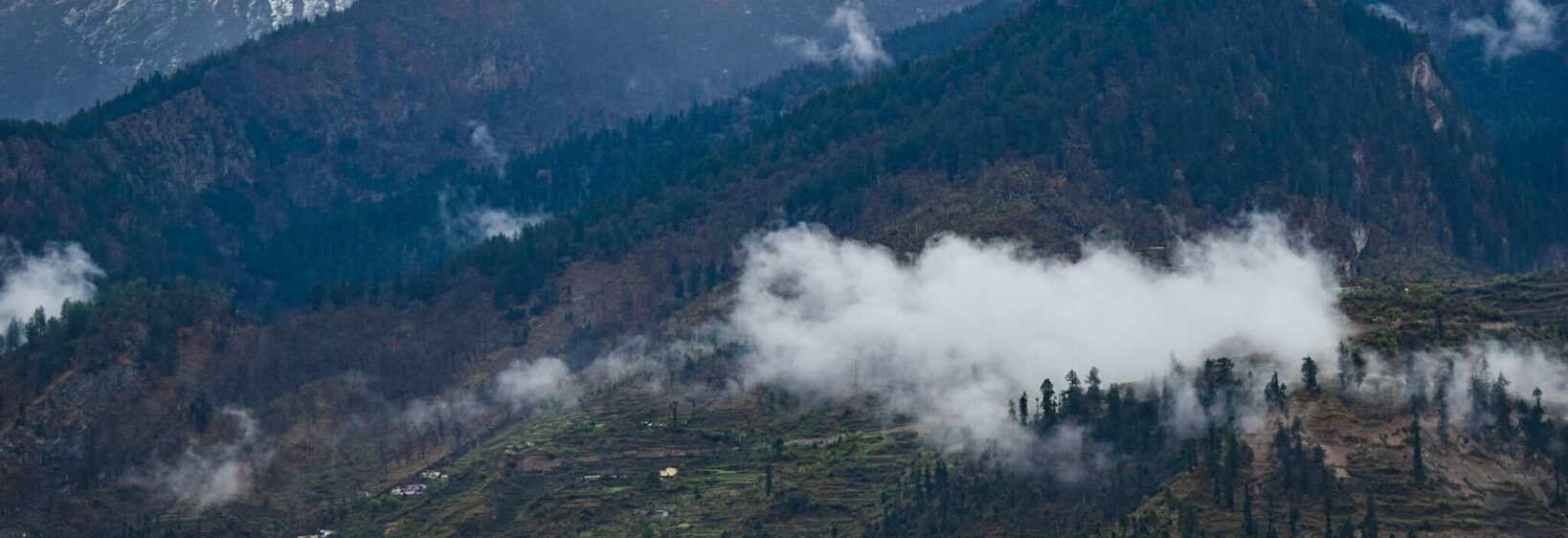
Unlike the more commercial Himalayan trails, this route offers a slower and more demanding mountain experience. Terraced fields, oak and rhododendron forests, remote hamlets, and views of peaks such as Maiktoli create a journey shaped as much by local life as by scenery.
The trek also fits naturally into a wider Uttarakhand itinerary. Travellers interested in the region’s sacred traditions can explore the legends behind the Badrinath temple before or after heading into the Kumaon Himalaya.
Where The Valley Lies
The usual approach begins at Song, reached by road from Bageshwar or Kapkot. From Song, the trail continues towards Loharkhet and then Khati, one of the largest villages in the Pindar region. Some itineraries begin trekking at Loharkhet, while others use Song as the starting point depending on road conditions and transport arrangements.
The valley lies in a remote mountain landscape where mobile coverage can be unreliable and services are limited. The trail passes through forest corridors, small settlements, suspension bridges, and open grazing grounds before reaching the higher reaches of Sunderdhunga.
Route And Trekking Character
A common itinerary follows Song or Loharkhet to Khati, then onward to Jatoli and Kathaliya. From Kathaliya, trekkers explore the upper valley and return by the same broad route. The exact camping points can change according to weather, trail repairs, group fitness, and the availability of local guides.
The path is moderately difficult to challenging. Long ascents, slippery sections, river crossings, and uneven stone trails require steady preparation. The final approach towards the glacier region is especially exposed to weather changes, so the trek should be treated as a wilderness expedition rather than a casual village walk.
| Stage | Approximate Character | Main Experience |
|---|---|---|
| Song to Loharkhet | Road and short walking approach | Forested foothills and village scenery |
| Loharkhet to Khati | Moderate trek | Oak forests, bridges, and terraced settlements |
| Khati to Jatoli | Moderate to demanding | Remote trails and mountain views |
| Jatoli to Kathaliya | Demanding | Alpine surroundings and changing terrain |
| Upper Sunderdhunga | Weather-dependent exploration | Glacial valley, rock walls, and high peaks |
| Return journey | Descending route | Forests, villages, and familiar trail sections |
Landscapes And Wildlife
The lower trail is rich in Himalayan vegetation. Oak, rhododendron, birch, and coniferous trees provide shade, while spring brings colourful rhododendron flowers to the hillsides. In autumn, clearer skies often improve visibility across the surrounding ridges.
Birdwatchers may see Himalayan species in the forest, and signs of wildlife can appear away from busy settlements. Sightings are never guaranteed, but the quiet setting makes the trek rewarding for photographers and nature lovers. Early mornings are particularly effective for landscape photography, when mist rises from the valley and light touches the distant summits.
Villages, Culture, And Local Support
Khati and the smaller settlements along the route reveal a side of Uttarakhand that is often missed on standard tourist circuits. Homes, cattle sheds, cultivated terraces, and traditional stone-and-wood architecture reflect an economy closely connected with the land. Local people may provide homestays, meals, porters, or guidance, depending on the season.
Hiring local support is valuable for navigation and for the local economy. Guides understand water sources, changing trail conditions, safe river crossings, and suitable campsites. Visitors should respect village customs, ask before photographing residents, and carry waste back out of the valley.
Best Season And Practical Preparation
The most suitable seasons are generally spring, when forests are in bloom, and autumn, when the skies are often clear after the monsoon. Early summer can also work, although conditions vary at higher elevations. Monsoon travel is risky because of landslides, swollen streams, and muddy trails, while winter may bring snow and restricted access.
Altitude gain, cold nights, and limited facilities make preparation essential. Carry layered clothing, waterproof trekking shoes, a sleeping bag suitable for cold conditions, a headlamp, personal medicines, water purification supplies, and a reliable rain cover. Trekking permits or local registration requirements should be checked with authorities or an experienced operator before departure.
Recommendations For A Safer Trek
- Allow at least five to six days for a comfortable return itinerary, with flexibility for weather delays.
- Choose a trained local guide and confirm whether meals, tents, porters, and transport are included.
- Build stamina with regular uphill walks before attempting the route.
- Avoid rushing to higher camps if headache, nausea, unusual fatigue, or breathlessness develops.
- Keep the valley clean by avoiding disposable plastic and using established camping areas.
Photographing The Remote Valley
Sunderdhunga rewards patient photographers. Capture the changing texture of the trail, village life, forest light, streams, and broad mountain perspectives rather than focusing only on peaks. A lightweight tripod, spare batteries, and weather protection for camera equipment are especially useful in remote conditions.
For more visual travel inspiration across the state, browse the Uttarakhand photo gallery while planning your route. The images can help shape a wider journey that combines highland trekking with temples, local markets, and cultural destinations.
Pack thoughtfully, travel with local knowledge, and give yourself time to experience the valley at its natural pace. A well-planned journey into Sunderdhunga can become one of the most memorable remote trekking experiences in Uttarakhand.