Nanda Devi Raj Jat: Uttarakhand’s Sacred Mountain Fair
Uttarakhand’s festivals often bring together faith, landscape, music, and community life. Among the most remarkable is the Nanda Devi Raj Jat, a high-altitude pilgrimage and cultural procession dedicated to Nanda Devi, revered across the Garhwal and Kumaon Himalayas as a beloved mountain goddess.
Held traditionally once every twelve years, the yatra travels from village shrines and cultivated valleys towards the high meadows and mountain passes of Chamoli. It is much more than a religious event: the journey preserves oral traditions, local crafts, ceremonial music, ancient routes, and the shared identity of Himalayan communities.
The Meaning Of Nanda Devi
Nanda Devi is widely worshipped as a form of Parvati and as a daughter of the mountains. In regional tradition, she is treated with deep affection, often described as a married daughter returning to her maternal home before making a symbolic journey towards her husband’s mountain abode.
The Raj Jat expresses this emotional story through ritual. A decorated image or sacred representation of the goddess is carried with offerings, songs, and processions. Villagers gather to accompany her, while priests and traditional custodians maintain ceremonies passed down through generations.
A Pilgrimage Across Garhwal
The main procession begins at Nauti village near Karnaprayag in Chamoli district. Its route crosses settlements, forests, river valleys, and alpine pastures before reaching the difficult terrain associated with Homkund. The exact itinerary and arrangements can vary, but the journey is known for its demanding mountain stages.
Participants walk for several days, sometimes in rain, cold, and thin air. Stops at villages become important community occasions, with homes and local institutions offering food, shelter, music, and hospitality. The pilgrimage route also connects visitors with remote parts of Uttarakhand that receive fewer travelers outside the festival season.
Ritual Symbols And Folk Traditions
One of the most recognizable features is the four-horned ram, traditionally regarded as a sacred guide for the goddess. Ceremonial objects, flower decorations, woollen garments, ringal bamboo work, and colorful umbrellas add visual richness to the procession.
The fair also keeps regional performance traditions alive. Devotional singing, dhol and damau drumming, folk dances, and Garhwali speech create an atmosphere that feels distinctly local. Stories about Nanda Devi are transmitted through songs and spoken accounts, making the event an important source of intangible cultural heritage.
| Feature | What It Represents |
|---|---|
| Nanda Devi procession | The goddess’s symbolic journey |
| Four-horned ram | A sacred guide and ritual symbol |
| Village halts | Community hospitality and shared worship |
| Folk songs and drums | Oral history and regional identity |
| High mountain route | Spiritual endurance and connection with nature |
| Local crafts and offerings | Living traditions of Himalayan villages |
Landscapes Along The Route
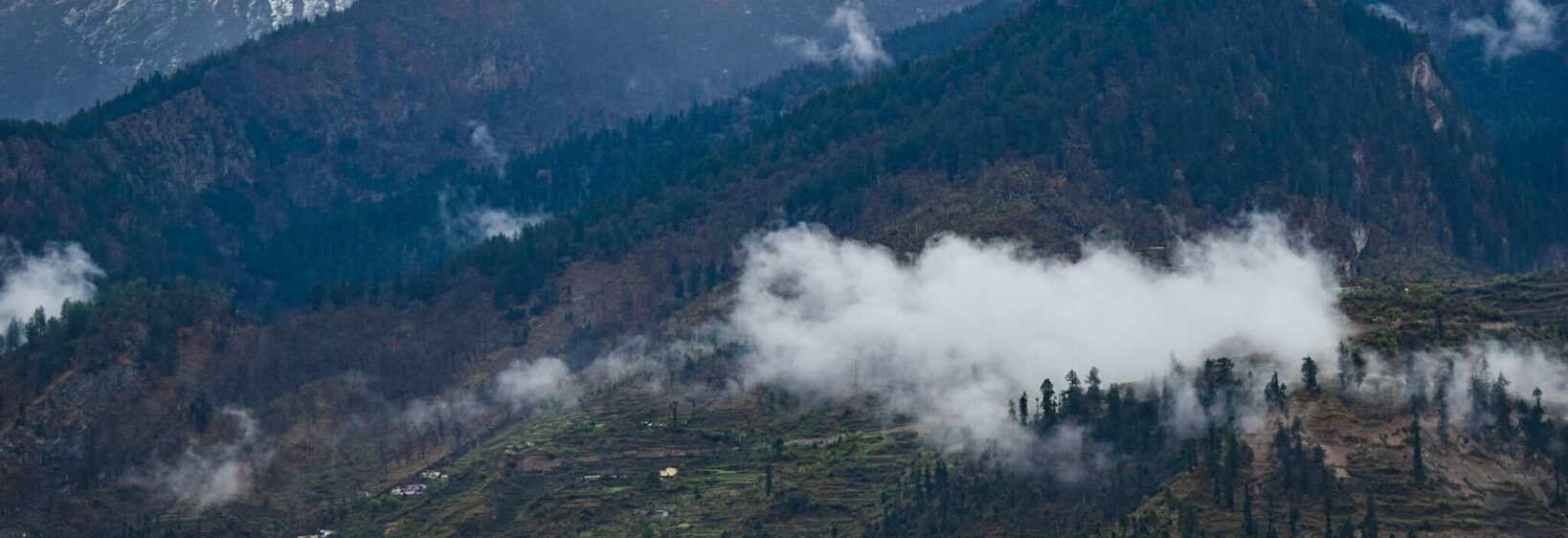
The journey passes through some of the most dramatic scenery in the central Himalayas. Terraced fields and oak forests gradually give way to meadows, rocky trails, glaciers, and snow-covered ridges. Bedni Bugyal is especially associated with wide alpine views, seasonal flowers, and a powerful sense of open mountain space.
Because the route reaches remote and elevated terrain, weather conditions can change quickly. Rain can make trails slippery, while fog, cold, and altitude add to the physical demands. Travelers interested in the region’s scenery can explore visual stories and destination guides through Uttarakhand travel photos, alongside practical information about nearby attractions.
Local Fairs And Community Life
The Raj Jat belongs to a wider culture of Uttarakhand fairs. Annual Nanda Devi celebrations in places such as Almora, Nainital, and nearby hill towns may include processions, temple rituals, markets, and cultural performances, even though they are different from the twelve-year Raj Jat.
These gatherings support local artisans, shopkeepers, musicians, transport providers, homestays, and food vendors. Visitors may find handwoven products, woollen items, traditional ornaments, millet-based dishes, and regional sweets. The economic value is important, but the deeper significance lies in collective participation rather than commercial entertainment.
Responsible Travel During The Yatra
A pilgrimage of this scale requires sensitivity from visitors. Roads and trails can become crowded, accommodation may be limited, and mobile connectivity is unreliable in remote sections. Travelers should treat shrines, processions, and ceremonial objects as sacred spaces rather than photo opportunities.
Useful practices include:
- Confirming dates, route changes, permissions, and weather updates with local authorities.
- Booking transport and accommodation early in accessible towns and villages.
- Carrying reusable water bottles, warm layers, basic medicines, and sturdy walking shoes.
- Asking permission before photographing priests, families, rituals, or individual pilgrims.
- Avoiding plastic waste and respecting village customs, quiet zones, and temple rules.
Photography can document the atmosphere of the fair, but it should never interrupt worship or turn vulnerable mountain communities into scenery. Hiring local guides also helps visitors understand the stories behind the route while contributing directly to the regional economy.
The Nanda Devi Raj Jat offers a rare view of Uttarakhand where devotion, folklore, endurance, and Himalayan beauty move together. Follow its cultural trail through photographs, local accounts, and carefully planned journeys to experience the living heritage of the Garhwal mountains with respect.