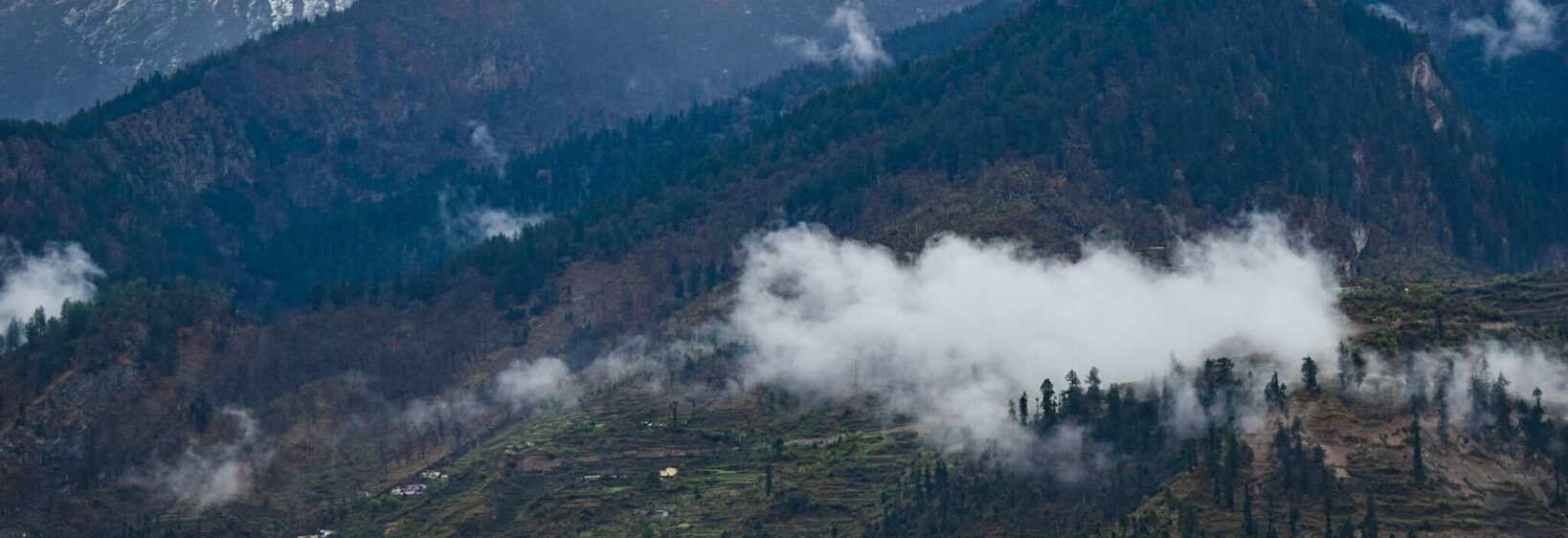
Uttarakhand’s Traditional Cuisine: Cooking Aloo Ke Gutke
In the hill villages of Uttarakhand, everyday food is shaped by mountain weather, local crops, and simple cooking methods. Aloo ke gutke, also called pahadi aloo, is one of the region’s most loved dishes: rustic potato pieces fried with spices until crisp on the outside and soft within.
This humble preparation appears in home kitchens, roadside cafés, village meals, and mountain homestays. It is commonly served with mandua roti, rice, lentils, cucumber raita, or a sharp green chutney. Its flavour comes from a few carefully chosen ingredients rather than a complicated recipe.
Cooking it at home offers a small taste of Kumaoni and Garhwali food culture. The dish is easy to prepare, but details such as the type of potato, the heat of the pan, and the use of jakhiya or cumin can make a noticeable difference.
The Story Behind Pahadi Aloo
Aloo ke gutke developed as practical mountain food. Potatoes grow well in many cool parts of Uttarakhand, and they can be stored for use between harvests. Families turned them into a filling side dish with oil, dried red chillies, salt, and spices available in the local kitchen.
The word “gutke” refers to the chunky pieces of potato used in the preparation. Unlike a saucy curry, this dish is dry and generously coated with seasoning. It reflects the straightforward style of Himalayan cooking, where food is nourishing, economical, and closely connected to the ingredients grown nearby.
Ingredients For An Authentic Flavour
Small, firm potatoes are ideal because they hold their shape while frying. Baby potatoes can be boiled whole and cut into halves, while larger ones should be chopped into thick wedges or uneven chunks. Slightly uneven pieces help create the traditional homemade appearance.
Jakhiya, a tiny aromatic seed used widely in Garhwali and Kumaoni kitchens, gives the dish a distinctive earthy fragrance. If it is unavailable, cumin seeds make a suitable substitute, though the flavour will be different. Mustard oil, dried red chillies, coriander powder, and turmeric complete the basic seasoning.
| Ingredient | Suggested quantity | Purpose |
|---|---|---|
| Potatoes | 500 grams | Main ingredient |
| Mustard oil | 2–3 tablespoons | Rich mountain-style flavour |
| Jakhiya or cumin seeds | 1 teaspoon | Nutty tempering aroma |
| Dried red chillies | 2–3 | Heat and colour |
| Turmeric | ½ teaspoon | Warm colour |
| Coriander powder | 1 teaspoon | Earthy spice |
| Salt | To taste | Balances the dish |
| Fresh coriander | 1 tablespoon | Fresh finishing note |
Preparing The Potatoes
Wash the potatoes thoroughly and boil them until they are just tender. They should be easy to pierce but firm enough to cut without breaking apart. Drain them, allow them to cool, and remove the skins if desired. Many home cooks leave the skin on for extra texture and flavour.
Cut the potatoes into chunky pieces and keep them aside. If they are still steaming hot, they may crumble when added to the pan. For a particularly crisp finish, boiled potatoes can be cooled completely before frying. This also makes them easier to handle.
Tempering Spices In The Pan
Heat mustard oil in a heavy pan until it becomes hot and its raw smell reduces. Lower the flame, add jakhiya or cumin, and let the seeds crackle. Add dried red chillies carefully, as they can darken quickly and release strong heat.
Add the potato pieces and toss gently so they become coated in the tempered oil. Sprinkle in turmeric, coriander powder, and salt. Keep the pan uncovered and cook over medium heat, turning the pieces occasionally. This allows a golden crust to form without making the potatoes greasy.
The recipe appears in many versions across the hills. Some cooks add a pinch of red chilli powder, while others include fennel, amchur, or a squeeze of lemon. Onion and garlic are generally unnecessary in the traditional preparation, allowing the potato and tempering spices to remain central.
Serving It The Uttarakhand Way
Aloo ke gutke tastes best when served hot from the pan. In a traditional meal, it may accompany dal, steamed rice, bhatt ki dal, or a thick millet roti made with mandua flour. A spoonful of homemade yoghurt softens the spice, while radish, cucumber, or tomato salad adds freshness.
It also makes a satisfying snack with tea, especially after a walk through a hill town. Visitors exploring the cultural landscape around pilgrimage centres can pair a plate of pahadi potatoes with local food experiences; the Badrinath temple history offers useful context for understanding the wider traditions of the region.
Small Details That Improve The Recipe
The best results come from patience rather than high heat. A very hot pan may burn the spices before the potatoes develop a crust. Use a broad, heavy-bottomed skillet and turn the pieces only when they have browned on one side.
Keep these practical points in mind:
- Boil the potatoes until tender but not soft or waterlogged.
- Use mustard oil for a more authentic North Indian mountain flavour.
- Add jakhiya to capture a distinctly Uttarakhandi aroma.
- Avoid stirring too often so the pieces can become crisp.
- Finish with fresh coriander, lemon, or a little local chilli chutney.
Food is one of the easiest ways to connect with the landscapes and communities of the Himalayas. Alongside photographs, travel stories, and destination guides, Uttarakhand photo stories can inspire a deeper appreciation for the region’s kitchens, festivals, villages, and everyday traditions.
Prepare this comforting dish with locally available potatoes, serve it with warm roti or rice, and share the flavours of Uttarakhand at your own table. To explore more regional food, culture, and mountain travel stories, visit UK Photos Gallery and discover the traditions behind the scenery.