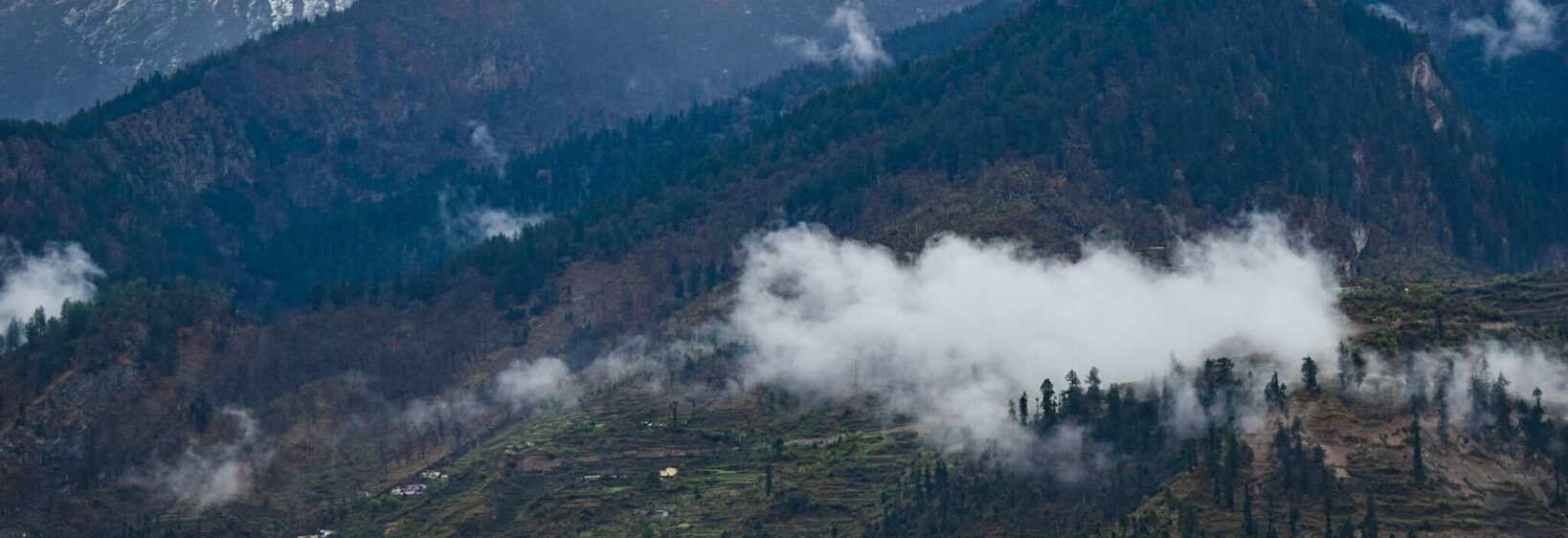
A Photo Guide to the Kainchi Dham Ashram
Set in a green Himalayan valley near Bhowali, Kainchi Dham Ashram is one of Uttarakhand’s most photographed spiritual destinations. The ashram is associated with Neem Karoli Baba, whose teachings continue to draw pilgrims, travellers, and photographers seeking a peaceful experience in the Kumaon hills.
The temple complex is modest in scale but rich in atmosphere. White buildings, red-and-yellow flags, forested slopes, the Kainchi stream, and groups of devotees create a visual story that changes throughout the day. A thoughtful photography plan helps capture the place without disturbing its devotional character.
This guide focuses on light, composition, respectful behaviour, and practical details for creating a meaningful visual record of the ashram and its surroundings.
Arriving At The Ashram
Kainchi Dham lies on the Nainital–Almora road, roughly 38 kilometres from Nainital and about 9 kilometres from Bhowali. Shared taxis, local buses, and private vehicles are common ways to reach the site. The road follows wooded mountain slopes, so the journey itself offers opportunities for landscape photographs.
The temple area becomes especially busy during weekends, holidays, and the annual fair held around 15 June. Arriving early usually provides softer light, quieter pathways, and a better chance to photograph the architecture without large crowds. During peak periods, traffic and queues can extend well beyond the entrance.
Keep camera equipment compact because the approach may involve walking, waiting, and moving through busy spaces. A small mirrorless camera or mobile phone with a wide lens is often more practical than a large professional setup.
Photographing Light, Colour, And Architecture
Early morning light brings gentle contrast to the temple buildings and surrounding pine-covered hills. The warm tones of flags and painted details stand out against pale walls, while mist may create a layered background during the cooler months. Late afternoon offers a softer glow across the valley, although shadows can quickly deepen near the slopes.
Use the bridge, road bends, and stream as natural leading lines. A low viewpoint can include the water and temple complex in one frame, while a higher roadside position may show how the ashram sits within the narrow valley. Look for repeating elements such as prayer flags, railings, bells, and doorways.
Avoid forcing every image into a wide landscape composition. Close photographs of textures, flowers, aged surfaces, folded hands, or light falling across a wall can express the quiet mood of the place more effectively than a crowded overview.
A Practical Photography Plan
The following approach keeps the visit organised while leaving time for prayer and observation.
| Location or subject | Best visual approach | Useful time | Courtesy note |
|---|---|---|---|
| Road and valley | Wide view with hills and curves | Morning or late afternoon | Stay away from moving traffic |
| Bridge and stream | Reflections, leading lines, and flowing water | Morning | Keep pathways clear |
| Temple exterior | Symmetrical or layered composition | Early morning | Follow restricted-area signs |
| Flags and details | Close-ups with a simple background | Throughout the day | Do not touch religious objects |
| Devotees and volunteers | Candid atmosphere from a distance | Quiet periods | Ask permission for identifiable portraits |
A polarising filter can reduce glare from water and painted surfaces, but it is not essential. A phone camera performs well when exposure is lowered slightly to preserve bright walls and sky. Review images discreetly rather than blocking entrances or gathering areas.
Photography inside sanctums or during rituals may be restricted. Follow instructions from temple staff, volunteers, and notices, even if another visitor appears to be taking photographs.
Capturing The Spiritual Atmosphere
The strongest images often show presence without turning worship into a spectacle. Photograph empty corridors before the crowds arrive, rows of footwear outside a shrine, incense drifting through sunlight, or the calm movement of people along the temple path. These details suggest devotion while preserving personal dignity.
Portraits require particular care. Ask before photographing sadhus, pilgrims, children, or anyone engaged in prayer. If language is a barrier, a polite gesture toward the camera and a friendly expression can help communicate your intention. Accept a refusal without making the person feel uncomfortable.
The surrounding Kumaon landscape also deserves attention. Oak and pine forests, mountain clouds, roadside tea stalls, and distant ridges connect the ashram to its wider setting. Birdwatchers carrying binoculars may find inspiration in this natural environment; a Himalayan monal guide offers useful context for photographing Uttarakhand’s distinctive mountain wildlife.
Seasonal Details And Local Conditions
Summer brings green hills and a larger number of visitors, especially around the June fair. Monsoon months can produce dramatic clouds, wet roads, and saturated foliage, but slippery paths and transport delays require caution. A waterproof cover for your camera or phone is sensible during this season.
Autumn often provides clear skies and balanced light, making it one of the easiest periods for landscape photography. Winter mornings can be cold, with sharp shadows and occasional mist. Carry a light jacket, keep spare batteries warm, and protect equipment when moving between cold outdoor air and warmer vehicles.
The ashram is a religious site rather than a conventional tourist attraction. Dress modestly, remove footwear where required, and avoid loud conversations. Keep plastic and food waste out of the valley, and use designated areas for drinking water and refreshments.
A Respectful Photo Checklist
A successful visit depends as much on conduct as on camera settings. Before pressing the shutter, consider whether the image records the atmosphere of the place or intrudes on someone’s private moment.
- Arrive early and allow extra time for traffic near Bhowali and Kainchi.
- Carry a small camera, spare battery, water, and a weather-resistant cover.
- Ask permission before making close portraits or photographing identifiable people.
- Follow all signs regarding photography, footwear, queues, and restricted areas.
- Leave flowers, flags, stones, and other religious objects exactly where they are.
Spend a few minutes observing without taking photographs. The pause can reveal quieter compositions: shifting light on the courtyard, a bell moving in the breeze, or forest shadows crossing the road.
A photo visit to Kainchi Dham becomes more rewarding when images are made with patience and respect. Plan around soft light, protect the valley’s peaceful character, and record the details that connect the ashram with Kumaon’s landscape. Pack your camera, check local conditions before travelling, and make space in your itinerary for a calm visit to this memorable Himalayan sanctuary.