The Kumaon Hills: Best Drives for Scenic Photography
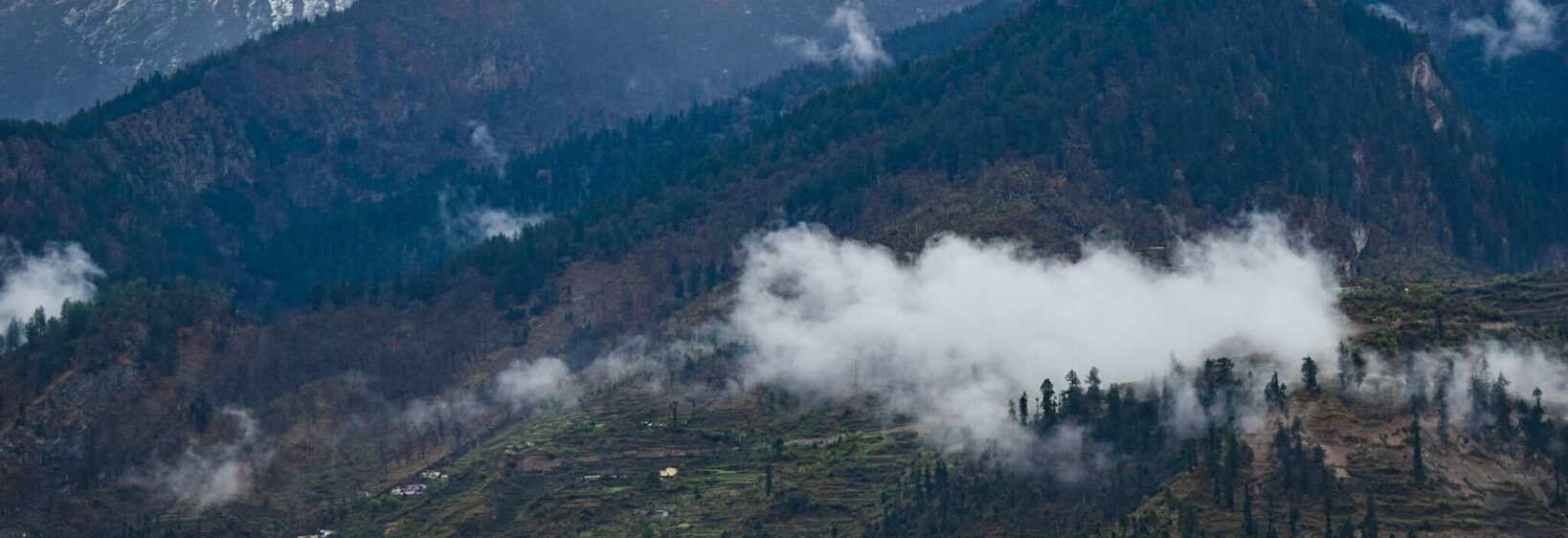
The Kumaon Hills unfold through pine forests, terraced fields, quiet villages, and high viewpoints where the Himalayan range appears between layers of blue ridges. A road journey here offers more than destination photography: every bend can reveal a new composition, from a roadside shrine to sunlight falling across a distant snow peak.
Scenic drives around Nainital, Almora, Ranikhet, Mukteshwar, Kausani, and Binsar are especially rewarding for photographers. The changing elevation creates varied landscapes within a short distance, while early mornings and late afternoons bring out the strongest colours and shadows.
For broader trip planning and visual inspiration, explore these Uttarakhand photo guides before setting out. They can help connect a mountain drive with nearby temples, walking trails, cultural sights, and accommodation.
Finding the Best Light in Kumaon
Morning is ideal for clear mountain views, particularly after a dry night when the air is less hazy. Around sunrise, the first light touches the high ridges while the valleys remain shaded, creating strong layers and gentle contrast. This is also the best time to photograph village life before traffic increases.
Late afternoon offers warmer tones across pine trunks, stone houses, and terraced farmland. During the monsoon, clouds add atmosphere and depth, although roads may be slippery and distant peaks can disappear. Winter often brings crisp visibility, but frost and short daylight hours require careful timing.
The Most Photogenic Mountain Roads
The drive from Nainital to Almora combines lake views, forest roads, and broad Himalayan perspectives. Near Bhowali and Kainchi, roadside scenes can be busy, while quieter stretches closer to Almora provide opportunities to photograph deodar trees, sloping roofs, and distant valleys.
Ranikhet to Dwarahat and onward toward Kausani is a rewarding route for rural landscapes. Terraced hillsides, traditional Kumaoni homes, and open ridgelines create natural frames. The road near Kausani is especially attractive at sunset, when the peaks of Trishul and Nanda Devi may glow in soft gold.
Mukteshwar offers a different character, with apple orchards, forest tracks, dramatic cliffs, and views across the Kumaon range. The route to Binsar is equally appealing for woodland photography. Inside the Binsar Wildlife Sanctuary, broadleaf forests and quiet trails encourage slower, more observant shooting.
A Drive-by-Drive Photography Guide
The best route depends on the type of image you want to make. Some roads favour expansive mountain panoramas, while others are better for intimate scenes of local architecture, forests, and everyday life.
| Scenic drive | Strongest subjects | Best time | Photography notes |
|---|---|---|---|
| Nainital–Almora | Lakes, ridges, villages, forest bends | Early morning | Stop only at safe viewpoints |
| Almora–Binsar | Oak forests, mist, Himalayan outlooks | Morning or cloudy afternoons | Check sanctuary access and weather |
| Ranikhet–Dwarahat | Terraces, village homes, rural life | Late afternoon | Use a telephoto lens for layered hills |
| Mukteshwar loop | Orchards, cliffs, pine forests | Sunrise to mid-morning | Look for changing light through trees |
| Kausani–Baijnath | Wide panoramas, temples, river valleys | Sunset and blue hour | Carry a tripod for low-light scenes |
Allow extra time rather than treating these roads as quick transfers. A five-minute pause can become a valuable photograph when the clouds shift, a shepherd crosses a field, or sunlight reaches a distant ridge.
What to Carry and How to Shoot
A wide-angle lens is useful for mountain panoramas, but a 50mm or telephoto lens can isolate rooftops, ridges, prayer flags, and forest details. A polarising filter can deepen the sky and reduce glare, although it should be rotated carefully to avoid uneven dark patches across a wide scene.
Carry spare batteries, memory cards, a lens cloth, and a lightweight tripod. Power cuts and cold temperatures can drain batteries quickly. A waterproof cover is worthwhile during the rainy season, and a compact bag makes it easier to walk short distances away from the road.
Photograph people respectfully, especially around temples and village homes. Ask before making close portraits, avoid blocking traffic for a picture, and treat religious ceremonies as living traditions rather than staged subjects.
Practical Rules for a Safer Road Journey
Mountain roads can change quickly with weather, construction, and seasonal traffic. Start early, avoid rushing between viewpoints, and check local advice before choosing remote forest or border routes. Mobile coverage may be inconsistent, so download maps and share your route with someone at your accommodation.
Keep these habits in mind:
- Stop only in wide, visible areas away from blind bends.
- Carry water, basic medicines, snacks, and a charged power bank.
- Check permits, opening hours, and forest entry rules before visiting Binsar or other protected areas.
- Use a local driver on unfamiliar roads, especially during fog, rain, or winter.
- Leave room in the schedule for weather delays and short walks.
A local taxi driver can often point out lesser-known viewpoints, seasonal flower fields, and village festivals that do not appear on standard maps. Their knowledge also helps visitors avoid unsafe pull-offs and private land.
Turn the Journey Into a Visual Story
A strong photo essay should include more than panoramic peaks. Begin with a road sign or winding lane, follow with forests and terraces, then add details such as carved doorways, baskets, tea stalls, or temple bells. Finish with a broad sunset view that gives the journey a sense of place.
Keep notes about the route, altitude, weather, and approximate location of memorable scenes. These details make photo captions more useful and help you return during a different season. With thoughtful pacing, the Kumaon hills become a sequence of changing light, textures, and local stories rather than a collection of disconnected viewpoints.
Choose one route, reserve a full day for photography, and travel with patience. The finest images often appear between the marked attractions, where a quiet bend, a cloud-shadowed valley, or a sunlit Kumaoni village captures the true character of the journey.