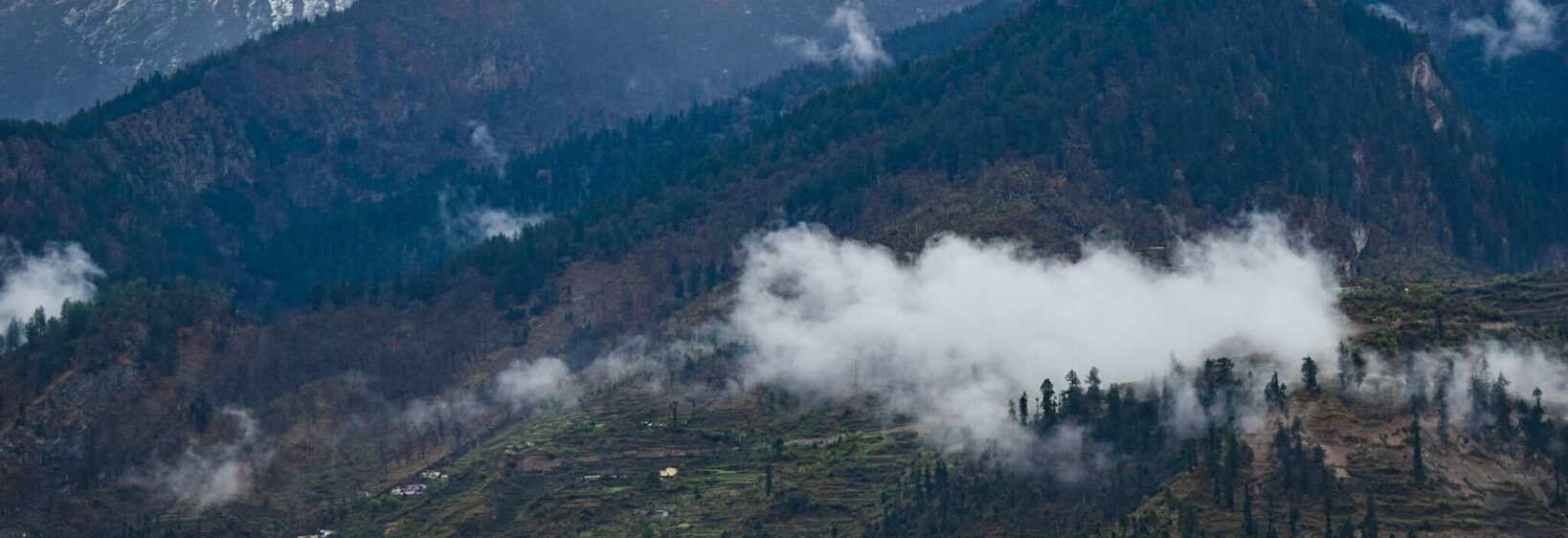
Duggalbitta Village: Stone Houses and Mountain Homestays
Tucked into the folds of the lower Himalayas, Duggalbitta Village in Uttarakhand draws travellers who crave quiet slate rooftops, wood-smoke kitchens, and the kind of unhurried hospitality that cannot be manufactured. The settlement sits within the Chamoli district, a region better known for pilgrimages to Badrinath and the alpine approach to the Valley of Flowers. What sets this hamlet apart is its cluster of traditional stone houses, many still lived in by descendants of the original builders, and a growing network of mountain homestays run by families who have opened their doors to outside guests.
For visitors arriving from Sydney, Melbourne, or Perth, the village offers a texture that feels a world away from the polished hotel corridors of the usual tourist trail. Australian travellers who have explored the Blue Mountains or the high country around Mount Kosciuszko often find the rhythm of life here surprisingly familiar: small communities, wood fires, and weather that turns on a coin. The flight is long, but the welcome is anything but distant, and a stay of two or three nights tends to be the minimum that makes the journey worthwhile.
A quiet hamlet in the Garhwal hills
Duggalbitta lies off the main Joshimath route, on a side road that climbs through terraced fields and deodar forest before settling into a broad clearing. The altitude hovers around 1,800 metres, which means summers are mild and winters bring occasional snowfall that transforms the rooftops into something out of a postcard. Most of the village is built on a south-facing slope, a practical choice that catches the morning sun and shelters the lanes from the harsher winds that sweep down from the higher ridges.
The settlement is small, with perhaps a hundred households strung along a single main path. Tethered cattle, stacks of pine firewood, and the occasional barking dog are the usual backdrop. The local panchayat has taken steps to preserve the older buildings, and new construction is required to follow the traditional stone-and-slate template. Visitors tend to arrive through Joshimath or Rudraprayag, both reachable by road from Haridwar and Rishikesh, and many add a night in Rishikesh to break the journey with a river-side meal.
The stone house architecture
The traditional houses of Duggalbitta are built from locally quarried stone, usually a grey slate that splits cleanly into blocks. Walls are laid without much mortar, the stones carefully balanced and chinked with smaller chips. Roofs are pitched steeply to shed snow, layered with the same slate and topped with heavy stones that keep the sheets from sliding in high winds. The result is a low, sturdy silhouette that looks more grown than built, as if the hillside itself had decided to provide shelter.
Timber frames of deodar or pine hold the upper floors together, and carved wooden doors mark the entry to homes that have often passed through four or five generations. Windows are small, framed in dark wood, and many homes still keep a separate cattle shelter on the lower level, a practical arrangement that warms the upper rooms with rising body heat in winter. Interiors are simple, with a central hearth, a few low wooden benches, and walls lined with brass and copper utensils that catch the firelight after sundown.
Staying in a mountain homestay
A handful of families in Duggalbitta now offer paid homestay accommodation, a setup that mirrors the farmstays Australians know from regions like the Adelaide Hills or the Southern Highlands of New South Wales. Guests typically sleep in a spare room off the main courtyard, share meals with the family, and are free to walk the village paths at their own pace. The rooms are modest by international standards, with thick blankets, a small attached bathroom, and views of either the terraced fields or the snowline above.
Meals are the highlight. Most homestays serve a vegetarian thali built around rice, lentils, local greens, and sometimes a curry made with wild herbs picked that morning. Bread is cooked on an iron griddle over the fire, and tea is poured strong and sweet. Hosts are usually happy to explain the names of the herbs, the rhythm of the planting season, and the proper way to pour milk into a cup of chai. For travellers used to grabbing a flat white in Brisbane before catching a flight, the slow pace takes a day or two to settle into, but few complain once it does.
Local life, language, and folk traditions
The spoken language in Duggalbitta is Garhwali, a tongue distinct from Hindi though they share the same script. Most families working with visitors speak enough Hindi to handle everyday questions, and English is gaining ground among the younger generation. Folk songs tied to the agricultural calendar are still sung during weddings and the harvest season, often accompanied by the dhol and damau drums. Visitors who arrive in October or November sometimes catch the post-harvest gatherings, where the evening stretches late into music and dance.
Wool from local sheep is spun by hand and woven into the caps and shawls that older residents still wear daily. A small weekly market in the neighbouring village draws farmers from surrounding ridges, and the best place to see traditional dress outside of a festival is at this market. Items worth seeking out include:
- Handwoven woollen caps and shoulder shawls from nearby villages
- Raw mountain honey sold in clay jars by local beekeepers
- Brass ritual items and small temple bells
- Seasonal greens and forest herbs sold by the bundle
Trails and outdoor adventures
The hills around Duggalbitta are crossed by footpaths that link the village to neighbouring settlements, higher pastures, and old shepherd trails. A popular day walk climbs toward a small ridge known locally as Surya Point, named for the clear views of the rising sun over the Nandaghunti range. The path is moderate, with about four hours of steady ascent and a return through oak forest where langur monkeys are often spotted. It compares well in difficulty to the well-trodden walks around Katoomba, though the air is thinner and the trail markers fewer.
For longer excursions, the Kuari Pass trek passes through the broader region and can be joined from Joshimath. Camping is allowed on the upper meadows with permits from the forest department, and several local guides in Duggalbitta now offer porter and pack-pony services. Birdlife is rich: Himalayan griffons, chakor partridges, and the occasional monal pheasant can be seen if you walk quietly at dawn. Anglers sometimes try the small streams for trout, though the fishing is better further up the valley toward Auli.
Comparing homestay options in Duggalbitta
Most homestays cluster near the upper lane of the village, but a few sit lower down with easier road access. The table below compares four commonly recommended options, based on rates and feedback from recent travellers.
| Homestay | Room Rate (INR/night) | Meals Included | Best For | Bath Type |
|---|---|---|---|---|
| Bhatt Family Homestay | 1,200 | Breakfast and dinner | Couples and solo travellers | Common Indian-style |
| Kothari Village Lodge | 1,800 | All meals | Families with children | Attached Western |
| Maa Nanda Homestay | 1,000 | Breakfast only | Backpackers and tight budgets | Common Indian-style |
| Chauhan Heritage Stay | 2,200 | All meals with evening tea | Longer stays and photographers | Attached Western |
Prices fluctuate with the season, and rates roughly double during the May–June peak and around Diwali. Booking a month ahead is wise for the Heritage Stay during weekends, while the more modest options usually have rooms available with a day or two of notice.
Planning your visit and travel tips
The best months to visit are March to early June and mid-September to November, when the skies are clear and the trails are dry. Winter brings heavy snow above 2,000 metres, and while Duggalbitta itself remains reachable, the higher routes close. Australian travellers coming from the southern hemisphere will find that June and July, the depths of winter in Sydney and Canberra, correspond to the Indian monsoon, so timing around the Australian summer break of December to February works best for clear mountain weather.
Reaching Duggalbitta involves a train or flight to Delhi, an overnight bus or taxi to Haridwar or Rishikesh, and then a shared jeep to Joshimath. From Joshimath, a local taxi or a hired motorbike covers the last stretch in about ninety minutes. Most homestays can arrange the final leg of the transfer if contacted in advance, and many visitors choose to combine their stay with a night or two in the ukphotosgallery.com listings for nearby Joshimath and Rudraprayag. Carry cash, as card acceptance is limited, and pack a few key items:
- Warm layers even in summer, as evenings dip below ten degrees
- Sturdy walking shoes with good grip on wet stone
- A torch, a power bank, and a small first-aid kit
- Cash in small Indian denominations for market purchases