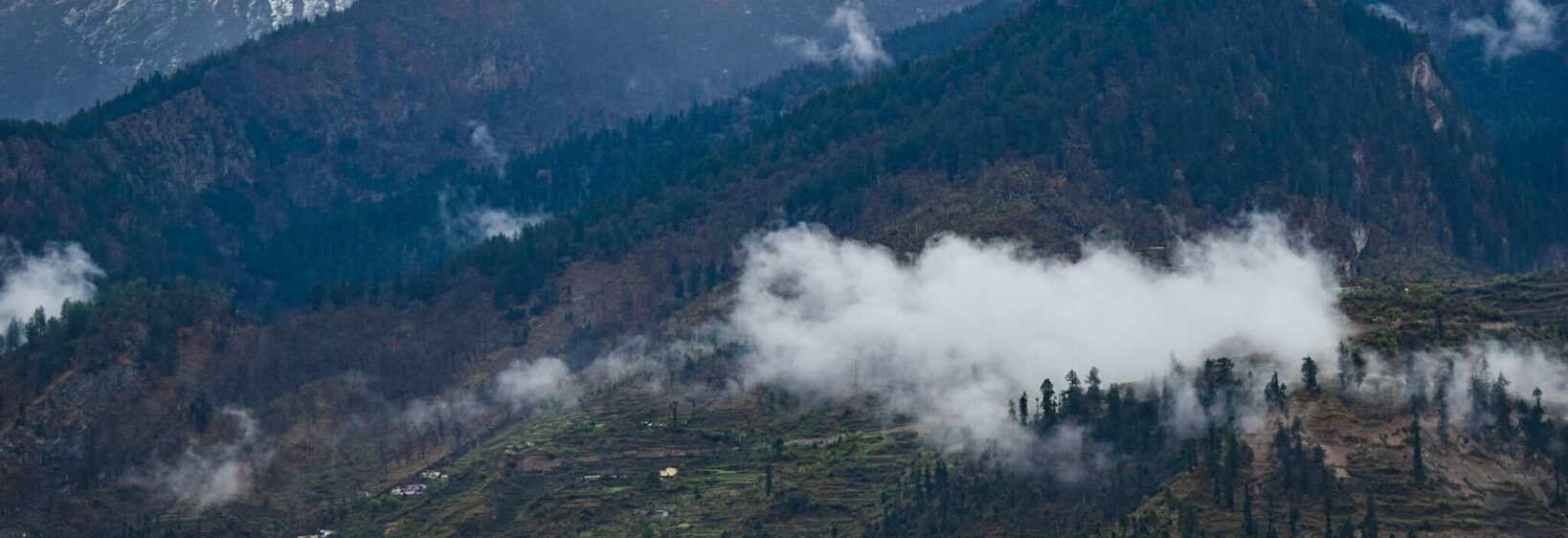
Ramgarh Estate Walk: Orchards, Vintage Bungalows and Local Stories
A gentle half-day circuit winds through the Ramgarh region of the Kumaon hills, threading together old apple orchards, weathered colonial bungalows, and the unhurried chatter of villagers who have tended this land for generations. The trail follows a patchwork of village paths, narrow jeep tracks, and the occasional flight of stone steps carved into terraced hillsides. Travellers who set out at first light are rewarded with the smell of woodsmoke drifting from kitchens and the soft clatter of cattle bells rising with the mist. Learn more about Ukphotosgallery.com.
For visitors arriving from Australia, the experience echoes the kind of weekend escape many Sydneysiders and Melburnians chase in places like Daylesford or the Southern Highlands. The pace slows to match the landscape, and even the most restless traveller soon falls into step with the rhythm of the orchards. A flat white at a hill café tastes just as comforting here as it does in a Brunswick laneway back home.
The trail through old orchards
The walk begins among apple, pear, and walnut groves that have produced fruit since the late nineteenth century. Stone retaining walls, moss-covered and split by fig roots, divide the terraces into neat geometric patches that look almost deliberate from a distance. During harvest season, locals balance woven baskets on their heads while sorting fruit into wooden trays, and the air carries the sweet, slightly fermented scent of overripe pears.
The route feels similar to wandering through the boutique orchards around Margaret River, where families wander between rows of vines and heritage fruit trees on a Sunday arvo. Both landscapes reward slow looking, and the conversation here is just as easy between strangers and locals once a shared curiosity takes hold.
Vintage bungalows and their quiet charm
Halfway along the path, a cluster of vintage bungalows emerges from a grove of deodars. Their wide verandahs, painted in faded greens and creams, look out across the valley towards the snow line of the higher Himalayas. Many of these homes were built during the British era as summer retreats, and their shuttered windows and wrought-iron balustrades still carry the imprint of that period.
The architecture bears a passing resemblance to the heritage guesthouses scattered through the Blue Mountains west of Sydney, where weatherboard cottages cling to eucalyptus ridges. The mood is gentler here, with fewer tour groups and a softer palette of mountain light that flatters the old plaster walls.
Village conversations and local folklore
Local guides often pause at a stone shrine tucked beneath an ancient pear tree, where villagers leave marigolds and small copper coins for the mountain deity. Stories passed down through generations speak of wandering sadhus, hidden springs, and a time when the orchards were guarded by a single night watchman who walked the lanes with a lantern. These tales are exchanged with the same easy cadence Australians recognise around a campfire in the bush, where one yarn leads naturally to the next.
A short detour leads to a small community kitchen where women roll out flatbread over a clay oven. Visitors who join them for brekkie are offered thick malai parathas and a cup of masala chai that tastes stronger than anything brewed at a suburban Aussie café. The conversation drifts between Hindi, Kumaoni, and the occasional English phrase that finds its way into village life through schools and visiting trekkers.
Monsoon walks and misty mornings
The trail takes on a different character between July and September, when monsoon clouds roll in from the south and settle into the valleys. The paths turn slick with leaf mulch, and waterfalls hidden during the dry months begin to spill down the cliffs in thin silver threads. Mist moves through the orchards like slow drifting smoke, sometimes closing the view entirely before lifting to reveal a bright blue sky half an hour later.
The shifting weather reminds many travellers of a winter walk in Tasmania, where four seasons can pass through a single morning on the Overland Track. A lightweight rain jacket and sturdy shoes make all the difference, and a small umbrella tucked into a daypack comes in handy when the clouds decide to empty without warning.
Practical tips for travellers from Australia
Most visitors fly into Delhi or Dehradun before catching a domestic connection to Pantnagar or a shared taxi up into the hills. The drive from the nearest railhead takes around four hours, with the last stretch winding through pine forests and terraced fields. Australian travellers will find the climate mild between March and June, while those chasing the monsoon magic should pack layers and waterproof boots.
Aussies who prefer travelling with a plan rather than winging it can browse detailed photo guides and route notes on UK Photos Gallery, which covers Uttarakhand destinations from Joshimath to Deoria Tal with plenty of practical advice. Local homestays also arrange guided walks with village hosts, which keeps the spending in the community and opens up conversations that pure sightseeing rarely allows.
Heritage stays and countryside escapes
A handful of restored bungalows along the trail now operate as heritage guesthouses, where dinner is served on the verandah by lantern light and breakfast arrives with warm bread straight from the bakery. Rooms are simple but comfortable, with thick woollen blankets for the cooler months and hot water bottles left at the foot of the bed in winter.
Some travellers extend the trip by linking it with stays further along the Kumaon circuit, and resources such as near the lighthouse offer additional ideas for slow countryside retreats that pair well with a Ramgarh visit. Booking a few nights in one of the orchard-side cottages turns a half-day walk into a memory that lingers long after the return flight touches down at Tullamarine or Kingsford Smith.