Trekking To Vasuki Tal Lake From Kedarnath
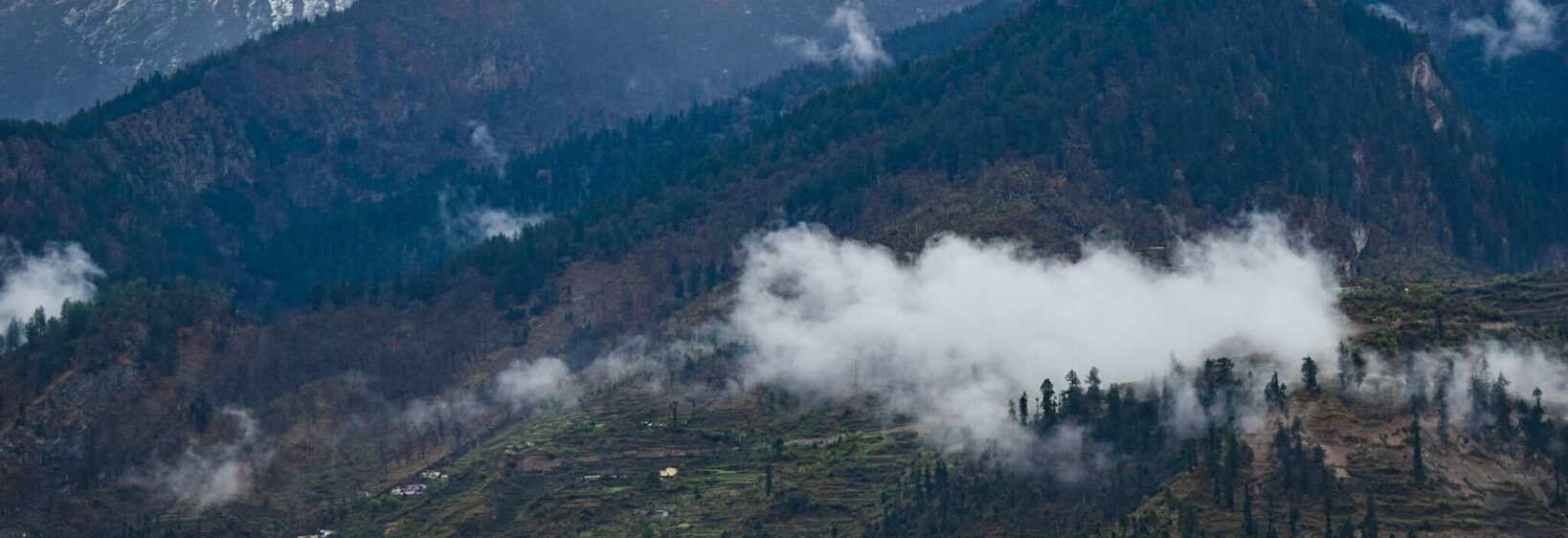
Vasuki Tal is one of the most rewarding high-altitude excursions from Kedarnath in Uttarakhand. The lake rests in a stark glacial landscape, surrounded by snow-covered ridges, rocky slopes, and wide Himalayan skies. Its remote setting gives the trek a very different character from the busy pilgrimage route below.
The journey begins after reaching Kedarnath, generally at around 3,580 metres. From the temple town, the trail climbs steadily towards Vasuki Tal, which lies at approximately 4,135 metres. Although often described as a base camp for Kedarnath-area trekking, the lake is better understood as a high-altitude destination and staging point for experienced mountaineers rather than a conventional base camp.
Clear weather can reveal dramatic views of the surrounding peaks, while early morning light creates excellent conditions for landscape photography. Visitors who enjoy recording rock formations, mountain textures, and remote village life may also appreciate this visual account of a cave photography walk before heading into the higher Himalaya.
Route From Kedarnath
The Vasuki Tal trail starts near Kedarnath and follows a demanding uphill path across rugged terrain. The distance is commonly estimated at about 7 to 8 kilometres one way, although route conditions and local diversions can affect the exact length. The trail includes steep sections, loose stones, narrow ridges, and exposed areas where careful footing is essential.
Unlike the well-developed pilgrimage path to Kedarnath, this route has fewer facilities. There are no dependable shops, restaurants, or permanent shelters along the trail. Trekkers should carry water, packed food, warm clothing, and basic emergency supplies from Kedarnath.
Scenery And Himalayan Atmosphere
The landscape changes quickly as the trail gains height. Alpine vegetation becomes sparse, and the valley opens into a raw setting of boulders, snowfields, and glacial streams. Depending on the season, the path may cross patches of old snow or wet ground formed by melting ice.
Vasuki Tal itself is often calm and reflective when the weather is clear. The dark water, high ridges, and isolated surroundings create an impressive sense of silence. Wildlife sightings are never guaranteed, but the wider Garhwal region is known for rare Himalayan species; careful observers can learn from resources about Nanda Devi snow leopards before travelling through high-altitude habitats.
Best Season For The Trek
The most practical trekking period is generally from late May or June until early October, depending on snowfall and the opening of the Kedarnath route. July and August bring monsoon moisture, cloud, and occasional landslides, so visibility and trail safety may change rapidly. September and early October often offer clearer skies and crisp mountain views.
Weather at Vasuki Tal can shift within minutes. A sunny departure from Kedarnath does not guarantee safe conditions at the lake. Start early, monitor local advice, and allow enough time to return before darkness or afternoon cloud becomes a problem.
| Travel Factor | What To Expect |
|---|---|
| Starting point | Kedarnath |
| Approximate altitude | About 4,135 metres |
| Distance | Roughly 7–8 km one way |
| Difficulty | Challenging high-altitude day trek |
| Ideal season | Late May to June and September to early October |
| Facilities | Very limited beyond Kedarnath |
| Recommended support | Local guide, especially for first-time visitors |
Fitness And Acclimatisation
The high altitude makes this trek considerably harder than the distance suggests. Shortness of breath, headache, nausea, unusual tiredness, and dizziness can indicate altitude sickness. Spending at least one or two nights acclimatising in Kedarnath is a sensible precaution before attempting the climb.
A good fitness routine should include uphill walking, stair training, and long walks carrying a light backpack. Move slowly, take regular pauses, and drink water in small amounts throughout the day. If symptoms worsen, descend immediately and seek medical help rather than continuing towards the lake.
What To Carry
Pack light, but do not compromise on protection from cold and changing weather. Layered clothing works better than a single heavy jacket because temperatures can vary considerably between the starting point and the lake.
Essential items include sturdy trekking shoes, woollen socks, gloves, a cap, sunglasses, sunscreen, a rain shell, a headlamp, personal medicines, and high-energy snacks. Carry a reusable water bottle and purification tablets or a filter, since mountain water should not automatically be considered safe to drink.
Responsible Travel And Safety
The Vasuki Tal route is a fragile high-altitude environment. Carry every wrapper and bottle back to Kedarnath, avoid loud music, and do not disturb wildlife or remove stones, plants, or other natural objects. Photography should never take priority over safe movement near steep drops, snow bridges, or unstable slopes.
A local guide can provide current information about snow, stream crossings, route conditions, and weather. Check permissions and local regulations before setting out, since access arrangements may vary according to seasonal conditions and pilgrimage administration.
Practical Recommendations
- Stay in Kedarnath long enough to acclimatise before beginning the trek.
- Begin early with a realistic return schedule and a charged phone or power bank.
- Hire a registered local guide if you are unfamiliar with high-altitude routes.
- Carry food, water, warm layers, rain protection, and a basic first-aid kit.
- Turn back promptly if weather deteriorates or altitude symptoms appear.
Vasuki Tal offers a powerful glimpse of the high Garhwal Himalaya beyond the main Kedarnath pilgrimage trail. Prepare carefully, travel respectfully, and arrange local guidance before setting out so the journey to this remote lake remains safe, memorable, and worthy of the landscape.