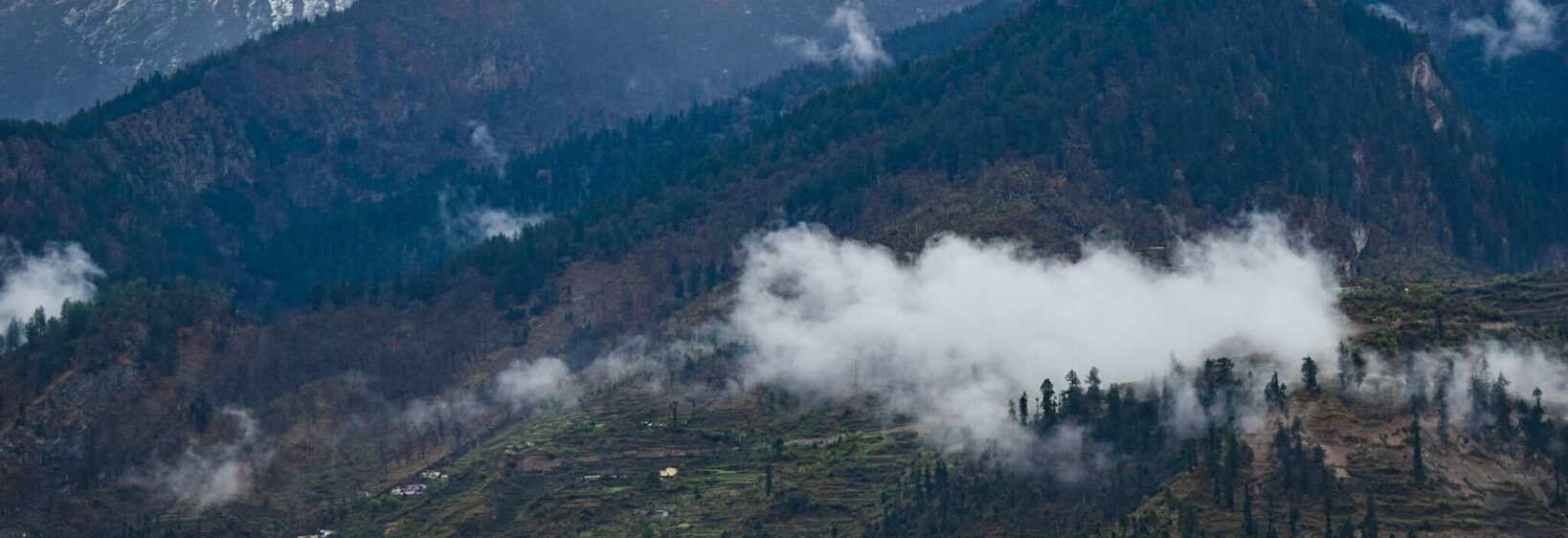
Munsyari Khaliya Top Trek Guide For Himalayan Panoramas
Munsyari, in Uttarakhand’s Pithoragarh district, is a peaceful mountain town known for alpine scenery, traditional Kumaoni culture, and views of the Panchachuli peaks. Above the town, Khaliya Top opens into a wide high-altitude meadow where forest trails give way to remarkable Himalayan panoramas.
The trail is manageable for many reasonably fit walkers, yet its altitude makes it a serious day hike. The route combines oak and rhododendron woodland, grassy ridges, cool mountain air, and changing views across the Johar Valley.
Khaliya Top is especially rewarding for photographers. Early light reaches the distant snow peaks before clouds gather, while sunset can turn the surrounding ridges gold. A little planning makes the walk safer, more comfortable, and more memorable.
Where Khaliya Top Is Located
Khaliya Top lies around 3,500 metres above sea level, roughly 6 kilometres from the main trailhead near Munsyari. Depending on the exact starting point, walking speed, and rest stops, the ascent generally takes three to four hours. The return journey usually requires another two to three hours.
The trail begins through wooded slopes and gradually becomes more open. Near the upper meadow, the landscape changes noticeably: tall trees thin out, the path crosses broad grassland, and the horizon expands towards snow-covered summits.
Munsyari itself is approximately 2,200 metres high, so visitors should allow time to acclimatise before beginning the climb. Spending at least a day exploring the town and taking short walks can make the uphill section easier.
What You See Along The Trail
The lower route passes through mixed Himalayan forest, including oak, rhododendron, and other native mountain trees. During spring, rhododendron flowers add colour to the trail, while autumn often brings clearer skies and crisp visibility. Birdwatchers may also spot Himalayan species in the quieter forest sections.
At the top, the principal reward is the sweeping view of the Greater Himalaya. On a clear day, the panorama may include Panchachuli, Nanda Devi, Nanda Kot, and other high peaks. The precise view depends on weather, season, and cloud cover.
The expansive Khaliya Bugyal meadow is also ideal for landscape photography. Use a wide-angle lens for the mountain wall and a longer lens for distant ridges, prayer flags, shepherd shelters, or small details in the valley below.
Best Season For The Hike
April to June is a popular period because the weather is generally pleasant and the meadows begin to look fresh. Spring brings flowering plants and comfortable daytime temperatures, although mornings can still be cold. October and November often provide the clearest mountain visibility after the monsoon.
Winter can bring snow to the upper trail, particularly from December through February. Snow makes the route beautiful but may conceal the path and create slippery sections. A local guide is strongly recommended when the trail is covered or conditions change quickly.
The monsoon months can bring rain, mist, leeches, and muddy ground. Landslides may also affect road access to Munsyari. Before travelling, check local weather and road conditions rather than relying only on a fixed seasonal schedule.
| Trek Detail | Practical Information |
|---|---|
| Region | Munsyari, Pithoragarh, Uttarakhand |
| Approximate altitude | 3,500 metres |
| Trail length | About 6 km one way |
| Walking time | Around 5–7 hours return |
| Difficulty | Moderate, with sustained ascent |
| Best visibility | October–November and April–June |
| Main highlights | Khaliya Bugyal, forest trail, Himalayan views |
| Suitable preparation | Good footwear, water, warm layers, acclimatisation |
Preparing For The Khaliya Top Route
Wear sturdy trekking shoes with firm grip because the path can be uneven, rocky, or muddy. Carry two to three litres of water, packed food, sun protection, a rain jacket, and warm layers. Weather at the meadow can be much colder and windier than in Munsyari.
A basic first-aid kit, personal medicines, torch, power bank, and trekking pole are useful additions. Mobile connectivity may be inconsistent, so share your route and expected return time with your accommodation or a local contact.
Photography enthusiasts planning other Himalayan walks can also review this guide to trekking the Valley of Flowers for broader advice on packing, weather, and mountain trail preparation.
Local Culture And Responsible Travel
Munsyari is part of the culturally rich Johar Valley, where Kumaoni traditions, village architecture, woollen crafts, and mountain livelihoods remain important parts of local life. Visitors should treat homes, shrines, grazing areas, and community spaces with respect.
Avoid loud music, littering, and picking alpine flowers. Carry waste back to Munsyari, use marked paths, and do not disturb livestock or wildlife. Hiring a local guide supports the community and can provide valuable knowledge about the terrain, weather, plants, and nearby villages.
The journey to Munsyari is also part of the experience. Travellers interested in Himalayan landscapes may enjoy this visual feature on the Kausani tea gardens, another Uttarakhand setting where cultivated hills and mountain light create compelling photographs.
Useful Planning Recommendations
A few practical choices can make this high-altitude day trek safer and more enjoyable:
- Spend a day acclimatising in Munsyari before attempting the summit meadow.
- Start early to improve the chance of clear views and allow plenty of time for the descent.
- Hire a registered local guide during winter, poor weather, or an unfamiliar trail.
- Carry sufficient water and food because dependable facilities are unlikely on the route.
- Check road access, weather forecasts, and local advice shortly before departure.
Khaliya Top is a rewarding addition to a Munsyari itinerary, especially for travellers seeking mountain scenery without committing to a long multi-day expedition. Plan the route with a local guide or trusted accommodation, pack for rapidly changing weather, and set out early for the best chance of seeing the snow peaks in clear morning light.