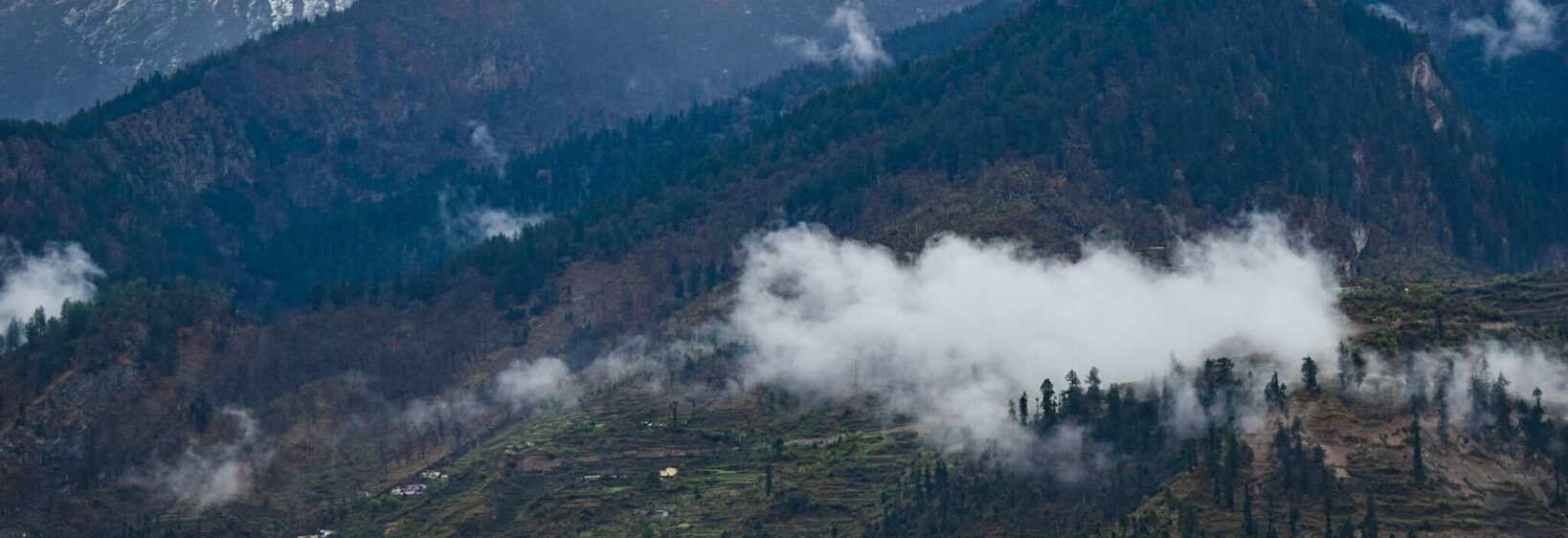
Local honey production in Uttarakhand: a sweet tradition
Across Uttarakhand, honey is shaped by altitude, flowering seasons, and the patient work of village beekeepers. From the lower valleys to the middle Himalayan slopes, wooden boxes and traditional hives stand near orchards, mustard fields, forest edges, and household gardens.
The result is far more varied than a single sweetener. Honey collected near litchi orchards may taste soft and floral, while honey from higher areas can carry the sharper fragrance of wild herbs, rhododendron, or mixed mountain blossoms. Each jar reflects a landscape and a season.
Beekeeping also offers rural families an income that can fit alongside farming, livestock care, and seasonal tourism. It supports pollination, preserves knowledge of local plants, and gives visitors another way to experience Uttarakhand beyond its temples, treks, and scenic viewpoints.
Where bees meet mountain flora
Uttarakhand’s changing elevation creates a long flowering calendar. In the foothills, bees may forage on litchi, mustard, citrus, acacia, and eucalyptus. Further uphill, orchards, buckwheat fields, rhododendron, wild berries, and diverse Himalayan herbs provide nectar and pollen at different times of the year.
Many small apiaries are placed close to farms or forest margins, where bees can move between cultivated and wild flowers. This mixed forage often produces a distinctive multifloral honey rather than a uniform commercial flavour. Weather, rainfall, and the timing of flowering can alter the taste from one harvest to the next.
From traditional hives to village apiaries
Indigenous bee-rearing knowledge has long been part of Himalayan household life. Some families have used simple wall spaces, wooden containers, or locally adapted hives, while newer beekeepers often work with movable-frame boxes that make inspection and harvesting easier.
The Indian honey bee, Apis cerana indica, is particularly suited to many Himalayan conditions, while some commercial operations also keep European honey bees. Training in queen management, seasonal feeding, disease control, and swarm prevention can help producers improve yields without losing their connection to local ecological practices.
Harvest seasons and honey character
Honey production follows the rhythm of blossoms rather than a fixed factory schedule. A spring harvest may be light, fragrant, and bright, while late-season honey can be darker and more robust. In the foothills, winter and early spring flowering may support colonies; in higher villages, warmer months are usually more productive.
| Source landscape | Possible character | Typical beekeeper focus |
|---|---|---|
| Litchi and citrus orchards | Fruity, floral, gently sweet | Moving or placing hives near orchards |
| Mustard and farm fields | Mild, grassy, clean | Protecting colonies during crop flowering |
| Forest edges and mixed hillsides | Complex, herbal, variable | Managing forage and safe hive locations |
| Rhododendron and highland flowers | Fragrant, sometimes tangy | Working around shorter flowering windows |
Local honey should retain its natural variation. Crystallisation is not automatically a sign of poor quality; many genuine honeys naturally become cloudy or grainy depending on their floral source and storage temperature. Excessive heating, added sugar syrup, or unclear labelling can reduce both quality and consumer trust.
A livelihood rooted in pollination
For small farmers, beekeeping can provide income from relatively limited land. Honey, beeswax, pollen, and sometimes queen bees or colonies create several modest revenue streams. More importantly, managed bees improve pollination for fruit trees, vegetables, oilseeds, and seed crops.
This relationship connects honey production with wider mountain conservation. Healthy habitats give bees a longer and more varied forage season, while productive colonies make flowering plants economically meaningful to local communities. The biodiversity visible in Uttarakhand’s high-altitude landscapes, including the habitat explored in the snow leopard story, depends on similar networks of plants, insects, animals, and careful land use.
Beekeeping is not a substitute for protecting wild pollinators. Pesticide exposure, forest fires, habitat loss, changing rainfall, and long dry spells can affect both managed colonies and native bees. Responsible producers therefore benefit from preserving hedgerows, flowering trees, and pesticide-free spaces around their apiaries.
Choosing and enjoying mountain honey
Visitors can find Uttarakhand honey in village markets, farm outlets, cooperatives, and selected shops in towns such as Rishikesh, Dehradun, Almora, and Pauri. A useful label should identify the producer or cooperative, approximate source area, harvest details, and whether the honey is raw, filtered, or blended.
Aroma and texture can be more revealing than colour alone. Pale honey is not necessarily mild, and dark honey is not automatically stronger or better. Buy small quantities from traceable sellers, store the jar away from heat and moisture, and use a clean, dry spoon each time.
Practical ways to support hill beekeepers
- Choose honey with a clear producer, village, or cooperative name.
- Ask whether it is single-flower, multifloral, filtered, or raw.
- Purchase directly from local apiaries when travelling through Uttarakhand.
- Avoid products with vague claims, unusually low prices, or excessive packaging.
- Pair honey with local tea, millet bread, fruit, or traditional mountain recipes.
Keeping the tradition alive
The future of Uttarakhand’s honey economy will depend on linking inherited knowledge with practical support. Better access to bee boxes, veterinary guidance, testing facilities, cold storage, and fair markets can help small producers earn more without expanding unsustainably.
Tourism can play a positive role when visitors buy authentic products, respect apiary spaces, and learn about seasonal work rather than treating rural communities as scenery. A jar of mountain honey carries the story of flowering fields, forest margins, and family labour.
On your next journey through Uttarakhand, look for a traceable local jar and speak with the people who produced it. Choosing genuine honey helps keep pollinators, livelihoods, and this sweet Himalayan tradition flourishing.