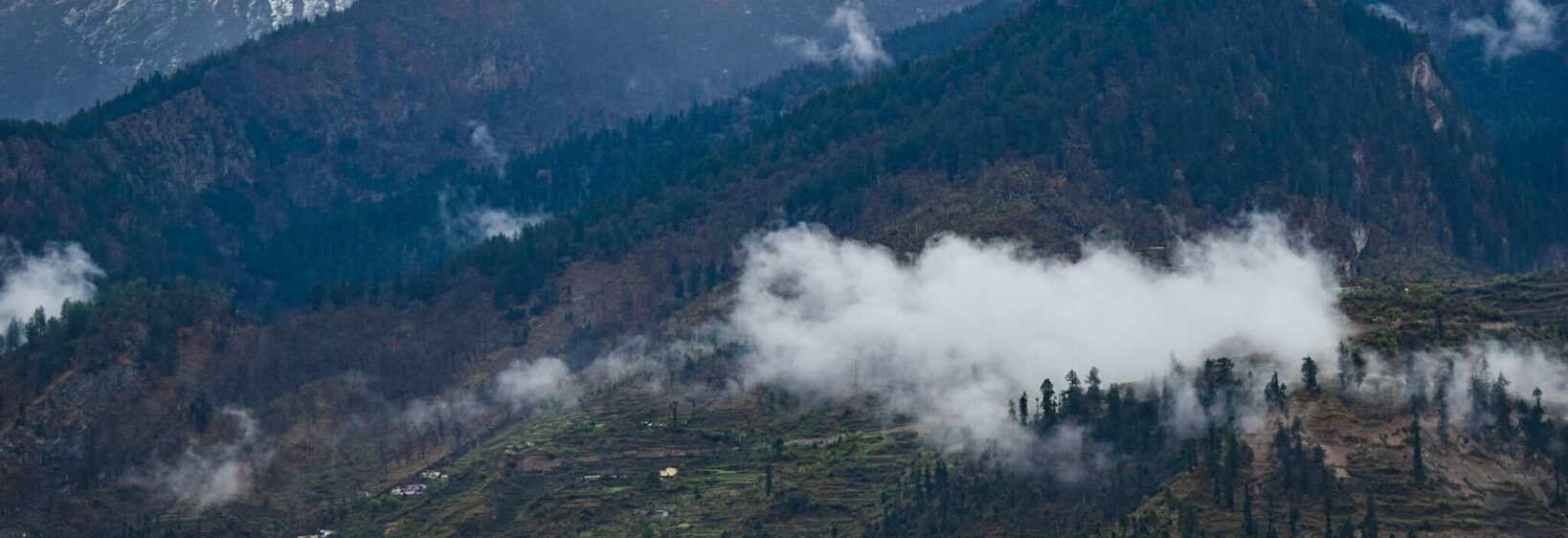
The Jageshwar Dham: A Forest of Ancient Temples
Deep in the Kumaon Himalaya, where deodar trees rise around moss-covered shrines, Jageshwar offers a quieter view of Uttarakhand. The temple town in Almora district is both a sacred pilgrimage site and an atmospheric heritage destination, with stone architecture shaped by centuries of devotion.
The Jageshwar Dham: A Forest of Ancient Temples is an experience of walking slowly through history. Bells, incense, mountain air, and the sound of streams create a setting that feels very different from crowded hill stations. Every shrine, courtyard, and carved doorway adds another detail to the story of this remarkable valley.
Jageshwar is especially appealing to travellers who enjoy photography, local traditions, temple architecture, and peaceful landscapes. It can be visited as part of a Kumaon circuit that includes Almora, Ranikhet, Mukteshwar, and Binsar.
A Sacred Valley In The Deodar Forest
The temple complex stands at an elevation of roughly 1,870 metres and is surrounded by dense deodar woodland. These tall Himalayan cedars provide shade throughout the complex and give Jageshwar its distinctive atmosphere. In the early morning, mist between the trees can make the stone temples appear almost timeless.
The site is associated primarily with Lord Shiva and contains a group of ancient shrines built between approximately the seventh and fourteenth centuries. Local belief also connects Jageshwar with one of the Jyotirlinga traditions, although accounts differ regarding the formal identification. For devotees, the spiritual importance of the place remains unquestioned.
Stone Temples And Intricate Details
The main Jageshwar Temple is dedicated to Shiva and houses a naturally revered linga. Nearby, the Dandeshwar Temple complex, Mrityunjaya Temple, Kuber Temple, Surya Temple, and Pushti Devi Temple represent the variety of deities worshipped here. Some shrines are large and elaborate, while others are small sanctuaries tucked beneath the trees.
Many temples feature tall stone towers, sculpted panels, carved doorframes, and finely shaped figures. Look closely at the lintels and exterior walls to notice floral patterns, divine forms, guardians, and motifs associated with early Himalayan temple design. The dark stone becomes especially expressive after rain or beneath soft evening light.
Myths, Rituals, And Local Memory
Jageshwar is traditionally linked with the meditation and worship of Shiva. Stories connected with the forest, sages, and divine appearances have been passed through generations, adding a strong layer of mythology to the physical landscape. The surrounding villages continue to preserve customs that connect everyday life with the temple calendar.
Maha Shivratri is one of the most important occasions here, bringing pilgrims for prayer, fasting, music, and ritual offerings. The Jageshwar Monsoon Festival also highlights Kumaoni culture through folk performances, regional food, craft traditions, and community gatherings. Visitors should observe temple etiquette and ask before photographing worshippers or ceremonies.
What To Notice During A Visit
| Feature | What Makes It Special | Best Experience |
|---|---|---|
| Jageshwar Temple | Central Shiva shrine with detailed stonework | Quiet morning darshan |
| Dandeshwar Group | One of the largest temple clusters in the valley | Architectural photography |
| Deodar Forest | Tall Himalayan trees surrounding the sanctuaries | Slow walks and nature viewing |
| Archaeological Museum | Sculptures and historical artefacts from the region | Understanding local heritage |
| Nearby Vriddha Jageshwar | Hilltop shrine with broad mountain views | A peaceful short excursion |
Allow time to wander instead of treating the complex as a quick stop. The changing light between the deodar trunks, the texture of weathered stone, and the contrast between temple towers and green hills provide excellent subjects for responsible photography. A wide-angle lens captures the setting, while a standard lens is useful for carvings and architectural details.
The Archaeological Museum near the complex is worth visiting for its collection of sculptures and images recovered from the area. It helps place the temples within the wider history of Kumaon and makes the details seen outdoors easier to understand.
Reaching Jageshwar And Staying Nearby
Jageshwar is around 35 kilometres from Almora and can be reached by road through winding mountain routes. Almora is the most convenient larger base, while taxis and shared vehicles connect the temple town with nearby destinations. The journey itself passes through pine and deodar forests, ridges, and traditional Kumaoni settlements.
Accommodation includes guesthouses, lodges, forest rest houses, and homestays in surrounding villages. Travellers who want a closer look at village customs can explore this homestay guide while planning a wider Kumaon journey. Book ahead during Shivratri, summer holidays, and festival periods.
A Thoughtful Travel Plan
Jageshwar is best enjoyed with patience and respect. A practical visit can include the following:
- Arrive early for softer light, fewer visitors, and a calmer temple atmosphere.
- Wear modest clothing and follow instructions about footwear, photography, and entry.
- Carry water, light rain protection, and comfortable shoes for uneven paths.
- Combine the visit with Almora, Binsar, Chitai Golu Devta Temple, or nearby mountain villages.
- Support local cafés, guides, handicraft sellers, and family-run accommodation.
The weather can change quickly, especially during the monsoon. Winter mornings may be cold, while summer afternoons are generally pleasant. Check road conditions before travelling, and keep extra time for mountain traffic rather than planning a rushed schedule.
Jageshwar leaves its strongest impression through small moments: a bell sounding beneath the trees, sunlight touching an old carving, or mist settling over the temple roofs. Discover more Himalayan destinations, cultural stories, and travel photographs through the Uttarakhand travel blog and begin planning a respectful journey to this sacred forest valley.