The Tehri Dam Through An Australian Traveller’s Lens
High in Uttarakhand, the Tehri Dam holds back the Bhagirathi River to create one of India’s largest artificial lakes. The structure is an impressive example of modern hydropower engineering, while the surrounding reservoir offers changing scenes of mountains, villages, water and weather. Learn more about Karten Von Sturmschäden Und Umgestürzten Bäumen.
For visitors travelling from Sydney, Melbourne or Brisbane, Tehri is best approached as part of a wider Garhwal itinerary. It combines easily with Rishikesh, Mussoorie, Rudraprayag and New Tehri, giving photographers a chance to move from busy pilgrimage routes to quiet Himalayan viewpoints.
The Scale Of The Tehri Project
The main dam rises about 260 metres above its foundations, making it one of the tallest earth-and-rock-filled dams in the world. Its reservoir stores water from the Bhagirathi and Bhilangana rivers, supporting drinking-water supply, irrigation and electricity generation across northern India.
The Tehri hydroelectric complex includes a 1,000-megawatt power station, while the wider system also includes the 400-megawatt Koteshwar project. This combination of a high dam, deep reservoir and pumped-storage development shows how engineers have adapted a steep Himalayan valley for large-scale energy production.
The project also changed the human geography of the region. Old Tehri town and several villages were relocated as the reservoir expanded. For photographers, this history is visible in the contrast between New Tehri’s planned streets, submerged landscapes and communities that continue to maintain local Garhwali traditions.
Finding Strong Reservoir Compositions
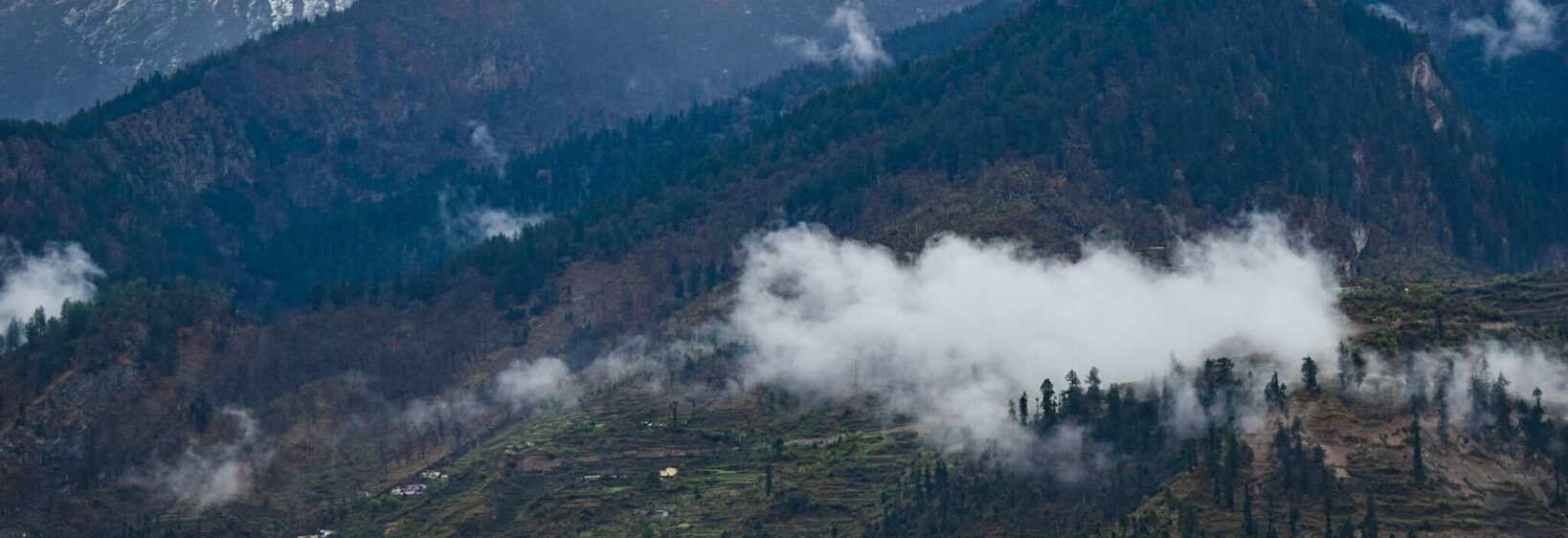
The best photographs rarely come from trying to capture the entire dam in one frame. Look instead for layers: a foreground of pine or rocky slopes, the calm reservoir in the middle distance, and ridgelines fading into blue haze. Early morning often produces softer light and reflections before wind begins to disturb the surface.
A telephoto lens is useful for compressing distant hills, boats and shoreline settlements. A wide-angle lens can show the scale of the valley, although a polarising filter should be used carefully because it may darken the sky unevenly. A travel tripod is valuable for dawn and dusk exposures, but keep equipment compact when moving along narrow roads.
For visual storytelling ideas from Uttarakhand, the UK Photos Gallery features destinations, temples and mountain scenery that can help travellers plan a connected photo journey rather than treating the dam as an isolated stop.
Weather, Water And Responsible Access
The reservoir looks different after the monsoon, when swollen streams feed the lake and clouds cling to the surrounding slopes. Winter usually brings clearer air and crisp mountain light, while summer can offer bright conditions but stronger midday contrast. Weather changes quickly, so a waterproof camera cover and dry bags are sensible additions.
Visitors should follow local instructions around the dam, power facilities and boating areas. Security restrictions may limit where photography is permitted, and drones should never be flown casually near infrastructure. Australian travellers familiar with CASA’s drone regulations should apply the same disciplined approach in India: check local permissions, avoid restricted zones and never fly over crowds or transport routes.
Storm documentation also rewards caution. Images of fallen branches, unstable slopes or washed-out roads can be compared with specialist storm damage maps, but a photograph should never encourage anyone to enter a dangerous area after heavy rain.
Planning The Journey From Australia
Most international visitors fly from Australia to Delhi, then continue by air or road towards Dehradun. From Dehradun, the drive to Tehri can take much of a day depending on traffic, roadworks and weather. Travellers accustomed to Melbourne’s tram network or Sydney’s suburban rail should allow extra time: mountain routes are slower, winding and often affected by temporary delays.
A practical itinerary includes an overnight stay in New Tehri or nearby accommodation rather than attempting a rushed day trip. Start early, carry drinking water, wear sturdy shoes and keep some Indian rupees available. Card and mobile payments are common in larger Indian towns, but small cafés, roadside stalls and local taxis may still prefer cash.
Australian habits such as buying a takeaway coffee before a morning outing may need adjustment in remote areas. Tea shops are more common than cafés, and meal times can be flexible. Pack snacks that travel well, but avoid leaving wrappers at viewpoints or beside the reservoir.
Supporting Local Places And Communities
The Tehri area has a growing tourism market that includes homestays, taxis, guides, boating operators and package tours. Booking locally can direct income towards residents who understand the roads, weather and cultural etiquette. Compare inclusions carefully, especially transport, permits, meals and cancellation terms.
Photography should remain respectful around temples, homes and relocated communities. Ask before photographing people, religious ceremonies or private property, and avoid presenting the reservoir only as a dramatic engineering backdrop. The landscape also represents memories of displacement, new livelihoods and ongoing adaptation.
For Australian visitors, responsible travel has a familiar parallel with protected-area rules at home: carry out rubbish, stay on established paths and respect signs. A careful approach helps preserve both the visual character of the reservoir and the living communities that give the Tehri region its meaning.