A Day at Neelkanth Mahadev Temple: History and Scenery
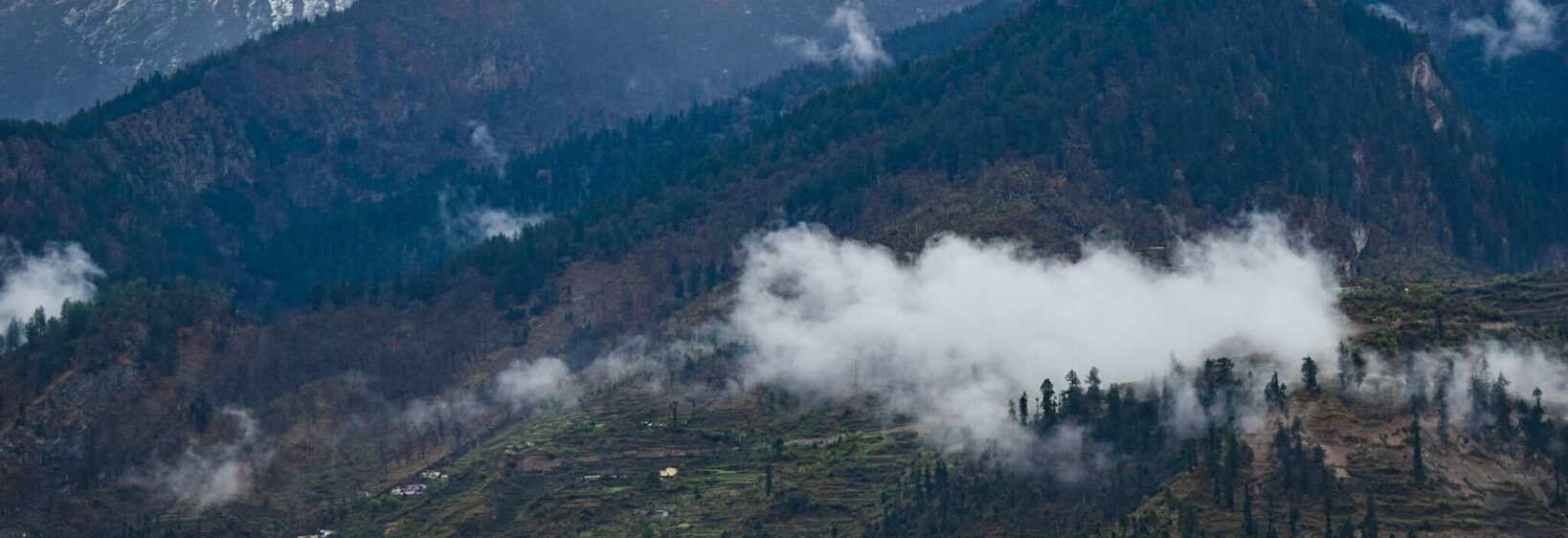
A visit to Neelkanth Mahadev Temple combines devotion, mountain scenery, and a rewarding road journey through the forested hills above Rishikesh. Dedicated to Lord Shiva, this ancient pilgrimage site is surrounded by quiet valleys, dense woodland, and the fresh air of the Garhwal Himalayas.
The temple lies roughly 30–32 kilometres from Rishikesh, depending on the route and starting point. The drive follows winding roads through the Nar-Narayan mountain landscape, making the journey itself part of the experience. Early morning is especially peaceful, before the main stream of pilgrims arrives.
This day trip suits visitors interested in Uttarakhand’s religious heritage as well as travellers looking for scenic places near Rishikesh. Those planning a wider journey through the region can find more visual travel stories and destination ideas on Uttarakhand travel stories.
The setting above Rishikesh
Neelkanth Mahadev Temple stands in a green, hilly environment at an elevation of approximately 1,330 metres. Sal forests, rocky slopes, and seasonal streams shape the landscape around the shrine. During the monsoon, the forest becomes intensely green, while winter often brings clearer views and cooler conditions.
The road from Rishikesh passes through quieter countryside and forest stretches. It is common to see roadside shrines, small tea stalls, monkeys, and occasional viewpoints along the way. The scenery is not a single grand panorama; instead, it unfolds through changing bends, shaded sections, and sudden glimpses of distant ridges.
The legend of the blue throat
The temple is associated with the famous Hindu story of Samudra Manthan, the churning of the cosmic ocean. According to tradition, the churning released halahala, a deadly poison that threatened all creation. Lord Shiva drank the poison to protect the universe, and Parvati held it in his throat so that it would not spread through his body.
The poison turned Shiva’s throat blue, giving him the name Neelkanth, meaning “blue-throated.” Local belief connects this sacred landscape with that event, and the temple remains an important Shiva pilgrimage destination. Its spiritual importance is particularly visible during festivals such as Mahashivratri and the Kanwar season.
Exploring the shrine and surroundings
The temple complex is modest in scale but rich in devotional atmosphere. Visitors approach the sanctum through an area filled with bells, flower offerings, prayer items, and small shops selling religious souvenirs. The sound of chants and temple bells creates a lively contrast with the stillness of the surrounding forest.
Photography is usually enjoyable in the outer areas, where the entrance, mountain backdrop, and details of the temple can be observed. Inside the sanctum, visitors should follow posted rules and the instructions of temple staff. A respectful pace makes it easier to appreciate the rituals rather than treating the visit as only a sightseeing stop.
A simple day itinerary
A well-timed visit allows travellers to enjoy both the temple and the route without rushing. Leaving Rishikesh after breakfast may be convenient, but an earlier departure offers softer light, cooler roads, and a calmer experience at the shrine.
| Approximate time | Experience |
|---|---|
| 6:30–7:30 am | Depart from Rishikesh |
| 8:30–10:00 am | Arrive, worship, and explore the temple |
| 10:00–11:00 am | Enjoy tea, photographs, and forest scenery |
| 11:00 am–1:00 pm | Begin the return journey with a meal stop |
| Afternoon | Return to Rishikesh or continue local sightseeing |
Travel time can change with traffic, roadwork, weather, and festival crowds. Visitors using a taxi should agree on waiting time and the return fare before starting. Shared vehicles may be available, although private transport offers greater flexibility for photography and short stops.
Seasonal scenery and local character
The landscape changes noticeably through the year. Monsoon showers bring waterfalls, mist, and vivid vegetation, but wet roads can slow the journey. Spring offers pleasant temperatures and fresh greenery, while autumn often provides clean skies after the rains. Winter mornings can be cold, especially in shaded forest sections.
Small roadside businesses add a local touch to the excursion. Tea, simple snacks, flowers, incense, and puja materials are commonly available near the temple. Supporting these vendors helps sustain the pilgrimage route, while carrying reusable water bottles and avoiding plastic waste protects the fragile mountain environment.
Practical details for a respectful visit
Comfortable shoes are useful because the approach may involve uneven surfaces and walking through crowded areas. Modest clothing is appropriate for a major Shiva shrine, and a light jacket can help during cool mornings. Keep cash available for offerings, refreshments, parking, and small purchases.
A few habits can make the journey smoother:
- Check the weather and road conditions before leaving Rishikesh.
- Carry water, sun protection, basic medicine, and a light rain cover.
- Keep valuables secure around monkeys and avoid feeding them.
- Ask before photographing worshippers, shopkeepers, or private ceremonies.
- Follow temple rules and dispose of waste only in designated places.
Neelkanth Mahadev Temple offers a memorable blend of mythology, worship, and Himalayan scenery. Set aside a full day, travel patiently through the forest roads, and let the quiet landscape become part of the pilgrimage. Pack respectfully, choose a suitable season, and make this sacred excursion a meaningful part of your Uttarakhand journey.