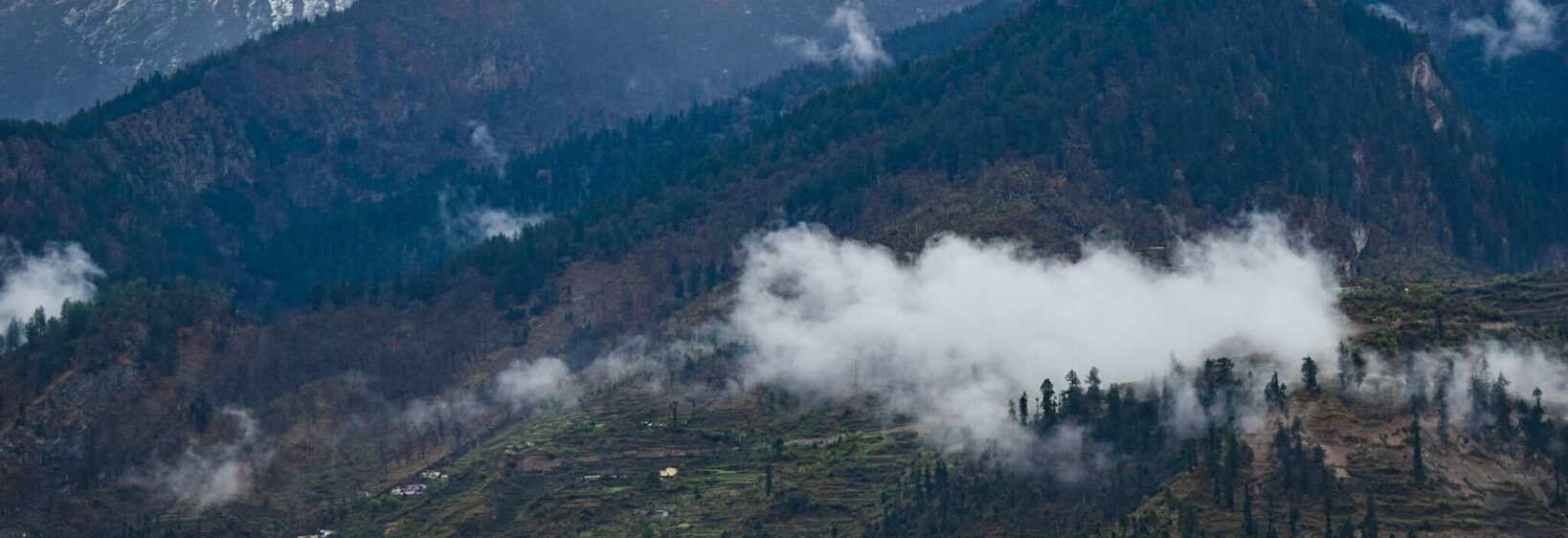
Munsyari meadow walks: wildflowers, shepherd huts and distant glaciers
Munsyari sits in Uttarakhand’s Kumaon Himalaya, where forest tracks open into high pasture and the snow peaks appear beyond rolling green ridges. The walks around this hill town are gentler than major summit treks, yet they deliver an extraordinary sense of altitude, space and changing mountain weather.
In late spring and summer, alpine flowers colour the meadows with small flashes of blue, yellow, pink and white. Shepherds move their flocks between seasonal grazing grounds, while simple stone huts offer a glimpse of a working landscape shaped by migration, livestock and centuries of mountain knowledge.
For Australian visitors, the experience feels different from a Blue Mountains day walk or a Tasmanian alpine trail. Paths can be narrower, signage less consistent and weather far less predictable. A local guide, sturdy footwear and a flexible itinerary make the walk safer and more rewarding.
Munsyari is also a place for slow travel. An early breakfast, a thermos of chai and an unhurried afternoon on a ridge can be more memorable than rushing between viewpoints. Travellers from Melbourne, Sydney or Brisbane should allow extra time for road transfers and altitude adjustment after arriving in Delhi or another major Indian city.
Where the meadows begin
Popular meadow walks lead towards Khaliya Top and nearby bugyals, the open high-altitude grasslands that are among Uttarakhand’s most distinctive landscapes. The route rises through oak, rhododendron and conifer forest before reaching broad clearings where the view expands dramatically.
The final stretch may feel steep for visitors accustomed to a suburban bushwalk. Take short steps, drink regularly and pause before fatigue becomes serious. Australians may hear walkers describe a quick break as an “arvo rest”, though at this altitude even a modest climb deserves respect.
Flowers, birds and seasonal colour
The best wildflower displays generally appear after the winter snow has retreated and summer moisture reaches the upper slopes. Tiny primulas, potentillas, gentians and other Himalayan species grow close to the ground, making a macro lens more useful than a long telephoto lens. Never pick flowers; these fragile plants have a short growing season.
The meadows also attract Himalayan monal, magpies, vultures and smaller mountain birds. Move quietly near forest edges, where birds often remain hidden in the branches. A basic pair of binoculars can add plenty to the walk, especially during still morning hours.
Shepherd huts and village life
Seasonal shepherd huts, known locally as goths or temporary shelters, are built from stone, timber and corrugated materials. Their presence explains why these meadows are more than scenic picnic grounds. Families and herders use the upper pastures during warmer months, following routes that connect villages with grazing land.
Ask before photographing people, animals or private structures. A friendly greeting and a few words of Hindi or Kumaoni are appreciated, while a local guide can explain the difference between a working pasture and a suitable resting place. Travellers seeking visual references can browse the UK mountain gallery before planning a photography-focused visit.
Glaciers beyond the ridgelines
On a clear day, the Panchachuli peaks and other snow-covered ranges form the distant backdrop. The glaciers may look close through a camera viewfinder, but Himalayan scale is deceptive. Haze, cloud and afternoon storms can hide them within minutes, so sunrise is usually the most dependable time for long-distance mountain views.
A telephoto lens helps compress the layered ridges, while a polarising filter can deepen the blue sky when conditions are clear. Keep camera batteries warm and carry spare memory cards; cold mornings and frequent shooting can quickly expose weaknesses in lightweight equipment.
Planning a comfortable high-country day
Munsyari is reached by long mountain roads, with travel times affected by landslides, roadworks and monsoon conditions. Build a buffer into bookings rather than arranging a tight connection. Australian travellers who usually say “no worries” about a delayed regional coach should treat mountain delays more seriously, particularly when returning to Delhi for an international flight.
Pack layers, sun protection, rainwear, snacks and cash for small purchases. Indian rupees remain useful in villages, while mobile coverage can disappear along remote sections. If you enjoy comparing Himalayan routes, this Dodital trek account offers another perspective on Uttarakhand’s high-country walking culture. For a broader visual stop before or after the Himalaya, Near the Lighthouse provides a contrasting coastal mood.
A simple itinerary might include two nights in Munsyari, one acclimatisation walk and a full day for Khaliya’s meadows. Start early, return before thunderstorms build and leave the huts, flowers and grazing grounds exactly as you found them. This quiet rhythm is what makes the region special: the landscape is spectacular, yet it remains a lived-in part of Kumaon rather than a stage built solely for visitors.