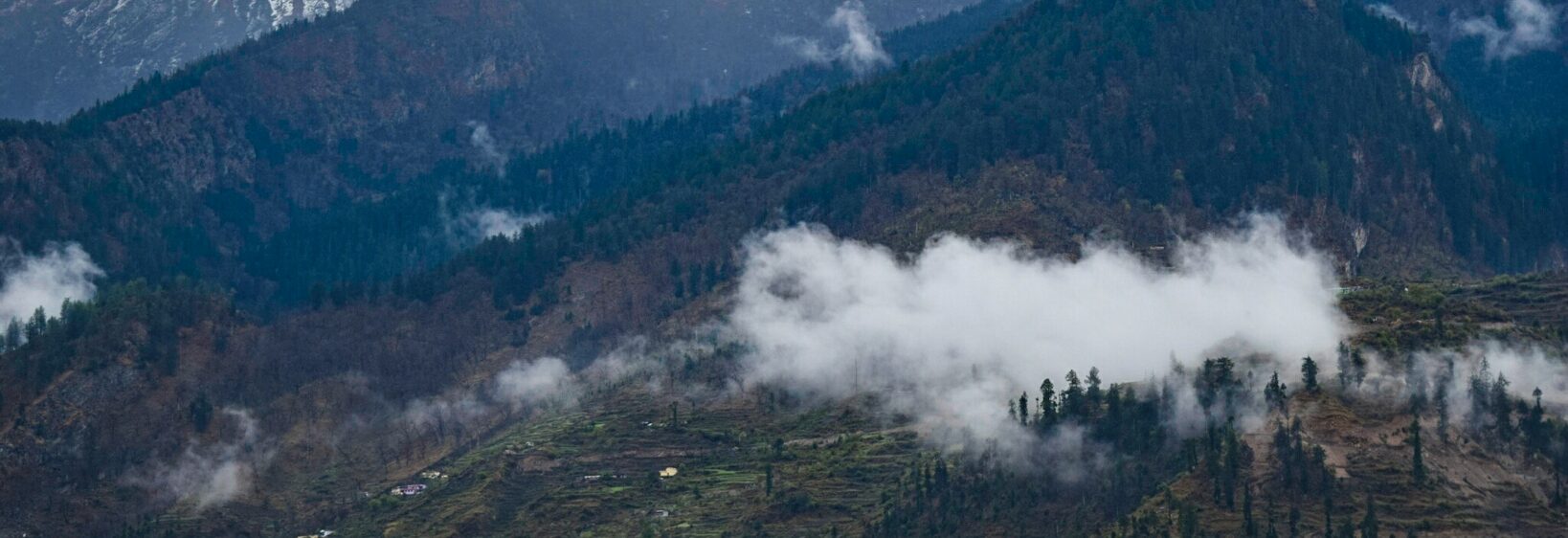
Chaukori at first light
Chaukori Hill Station: Sunrise Over the Nanda Devi Range draws photographers to a quiet Himalayan ridge in Uttarkashi district, close to the Kumaon border. At roughly 2,000 metres, the village combines sweeping mountain views with wooded paths, family-run rooms and a relaxed seasonal rhythm.
The early reveal is gradual. Valley mist loosens, the eastern skyline brightens, then Nanda Devi and neighbouring summits take shape above the forest. Clear autumn mornings can reward patience, while cloud may erase the scene within minutes, making an alarm, warm layer and weather check as important as the camera.
Many Australians begin in Sydney or Melbourne and connect through Delhi before travelling towards Almora or Bageshwar. Transfers can occupy much of a day, so Chaukori works best as an overnight stay or a calm stop between wider Uttarakhand routes, rather than a rushed dawn excursion.
The place rewards visitors who slow down after sunrise. Kumaoni speech, temple bells, forest paths and working farms give the landscape human scale. Ask before photographing people and treat ridge communities as places to live, not merely a scenic backdrop.
The first hour of light
Chaukori's viewpoints face a broad skyline that can include Nanda Devi, Nanda Kot, Trishul and Panchachuli in clear conditions. Which profiles appear together depends on haze, cloud and seasonal alignment, so descriptions should not promise an identical horizon.
Arrive 30 to 45 minutes before the published sunrise time and scout a place with an unobstructed eastern view. A tripod, short telephoto lens and spare battery help, but warmth matters more than technical gear. Keep voices low and avoid blocking a neighbour's doorway or farm access.
Village life beyond the panorama
The nearby bazaar supplies tea, bread, fruit, snacks and simple meals for walkers and drivers. Conversation often moves between Hindi and Kumaoni, with English understood by many tourism workers. A local guide can reveal side paths, small shrines and everyday village life beyond the best-known sunrise angles.
Australians may recognise the value of a strong flat white; in Chaukori, the equivalent pause is usually chai. Ask about ingredients and dietary needs rather than assuming every dish is vegetarian. Roadside stalls may open according to demand, so breakfast timing can be unpredictable.
Getting there and staying well
Most visitors approach from Almora or Bageshwar, then continue by road or local jeep. Australians drive on the left, as India does, but narrow bends, animals and informal passing places demand greater caution. Avoid night driving after rain and allow time to check conditions.
Village homestays offer warmth, family meals and useful local knowledge, while established hotels can provide steadier hot water and wake-up calls. Public restrooms are generally basic, and a washlet is not standard. This practical washlet guide can help travellers who meet one elsewhere, but tissues remain sensible because water pressure can vary during busy mornings.
Money, manners and everyday needs
Budget in Australian dollars while keeping an emergency reserve in rupees; exchange rates change, and card acceptance may be uneven at small establishments. At the local bazaar, bargaining is usually limited, especially for food and everyday items. Cash remains useful for tea stalls, guides, drivers and remote homestays.
Tipping in Australian restaurants is usually voluntary and modest; a restrained approach also works here, though some hotels add a service charge. An Australian roaming plan or prepaid eSIM helps when mobile coverage fluctuates. Download offline maps and share a live itinerary before exploring side valleys.
Weather and mountain responsibility
Spring and late autumn generally suit walking and broad views, while winter brings crisp air, hard frost and occasional snow. The monsoon can interrupt road access and local services. Check government travel advice, carry copies of travel insurance, and never continue towards a village when landslide warnings or damaged roads make access uncertain.
Pack out rubbish, use a refillable bottle where water is safe, and keep away from animals on working paths. These habits reflect familiar Australian bush-walking values. Stay on agreed routes, dress modestly near shrines, ask permission before portraits, and support local guides, drivers and family-run rooms.
Matching the trip to your pace
Hill walkers can follow local approaches and spend the day exploring forest and viewpoints, but Chaukori's steep terrain needs proper shoes and reasonable fitness. Photography-focused visitors may prefer a homestay close to the dawn outlook. For wider regional inspiration, browse the Uttarakhand photo journal and compare mountain light, village settings and seasonal conditions across Uttarkashi.
Season choice shapes access and expectations, making it useful to align the visit with the preferred weather and pace.
| Travel window | Typical experience | Planning consideration |
|---|---|---|
| March–June | Mild days, flowering slopes and warmer trail conditions | Roads can be busy around holidays; begin walks early |
| September–November | Post-monsoon colour and often clearer air | Check for residual landslide damage and road repairs |
| December–February | Cold nights, frost and possible snow | Confirm heating, open lodging and winter road access |
| July–September | Green landscape, rain and substantial cloud | Keep bookings flexible and monitor monsoon disruption |
Confirm transport and road status close to arrival because mountain itineraries can change quickly. Chaukori's strongest mornings arrive quietly: tea is poured, mist settles in the valley, and the Nanda Devi skyline emerges first as a pale line, then in full clarity.