The Kumaoni Wedding Traditions: Bridal Attire and Ritual Photography
A Kumaoni wedding brings together Himalayan heritage, family devotion, music, colour, and carefully observed ceremony. In Uttarakhand’s Kumaon region, marriage customs can vary between villages and households, yet the celebration commonly reflects local textiles, devotional practices, folk songs, and the close involvement of extended family.
For couples and photographers travelling from Australia, the occasion offers more than attractive portraits. It is a living cultural event that deserves patience and respect. Guests from Melbourne, Sydney, Brisbane, or Perth may be accustomed to shorter civil ceremonies, while a Kumaoni marriage often unfolds across several days and includes rituals with deep meaning.
The Cultural Setting Of A Kumaoni Marriage
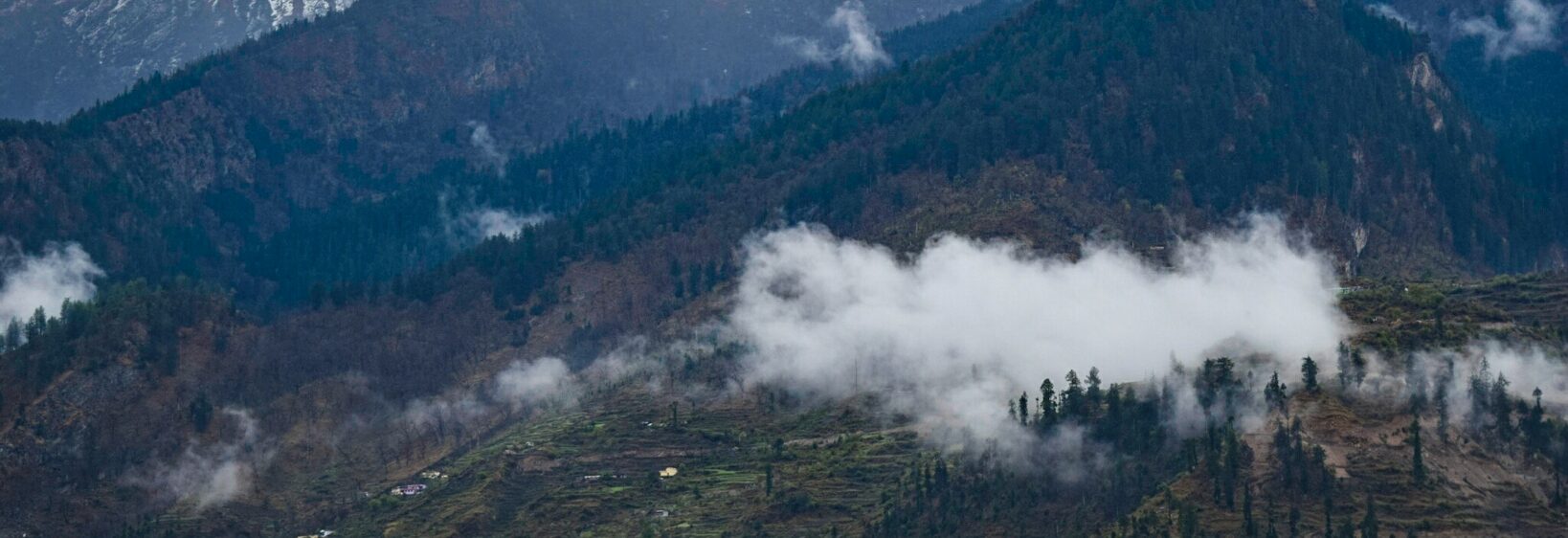
Kumaoni communities are associated with the hill districts of Almora, Nainital, Bageshwar, Pithoragarh, and parts of Champawat. Weddings may take place in a family courtyard, a temple, a community hall, or a hotel in a larger town. Mountain landscapes, stone homes, carved wooden details, and village lanes often become part of the visual story.
The ceremony usually joins two families rather than focusing only on the couple. Elders guide important decisions, relatives prepare food and decorations, and women may sing traditional wedding songs known as mangal geet. These songs can be playful, devotional, or emotional, and they create some of the most atmospheric moments for documentary photography.
Bridal Dress And Jewellery Details
A Kumaoni bride may wear a red, maroon, or richly coloured sari, although contemporary brides also choose lehengas and other North Indian wedding styles. The pichora, a traditional yellow or saffron veil decorated with red motifs, is especially significant in Kumaoni culture. It is often worn during important rites and carries associations with marital identity and regional heritage.
Gold jewellery can include a nath or large nose ring, earrings, necklaces, bangles, and hair ornaments. The exact combination depends on family tradition, personal taste, and budget. A photographer should capture the details gently, including the hands applying mehndi, the arrangement of the veil, and the moment older relatives help the bride dress.
Rituals That Shape The Story
Pre-wedding events may include an engagement, family blessing, mehndi, music gatherings, and the exchange of gifts. The main wedding commonly features a decorated mandap, sacred fire, Sanskrit prayers, garlands, and the couple’s rounds around the fire. Regional customs and the family priest determine the order and meaning of each ritual.
Kumaoni weddings can also include a ceremonial procession, known as a baraat, with drumming, dancing, and relatives welcoming the groom. Some families incorporate local devotional customs or temple visits. Since timings may shift according to auspicious dates and household arrangements, a photographer benefits from receiving a complete schedule rather than relying on a standard wedding template.
Photographing Sacred And Private Moments
Ritual photography should balance clear storytelling with restraint. Ask the couple or a family representative which rites may be photographed closely, particularly when the priest is chanting, offerings are being made, or elderly relatives are participating. Avoid blocking the priest, crossing the sacred space unnecessarily, or using bright flash during intimate prayers.
A useful visual sequence includes preparation, family arrivals, textile details, musicians, ritual gestures, joyful portraits, and quiet pauses between events. The UK Photos Gallery provides a useful regional reference for photographers interested in Uttarakhand’s landscapes, people, and visual traditions.
Planning A Destination Wedding Album
Australian couples should allow extra travel time for mountain roads, weather changes, and delayed transport. A wedding near Almora or Ranikhet can feel very different from an event in Dehradun or Rishikesh. Domestic flights may connect through Delhi, while the final journey may involve winding roads and limited evening transport.
Some families combine the wedding with a short Himalayan holiday. Guests interested in snow landscapes might review this Chopta winter guide, while others may prefer gentler sightseeing around temples, markets, and forested hill stations. Australian travellers should also check visa rules, travel insurance, altitude considerations, and whether their phone plan works reliably in rural areas.
Practical Details For Australian Families
Wedding photography packages in India may include multiple days, albums, drone coverage, candid photography, and video. Australian clients should request a written quote that clearly states whether travel, accommodation, editing, GST obligations in Australia, international transfers, and image delivery are included. Pricing can vary greatly between a local freelancer and a larger production team.
It is wise to settle expectations about image style before the ceremony. Some couples want editorial portraits, while others prefer unposed family documentation. A shot list can include relatives arriving from Australia, heirloom jewellery, traditional clothing, and group portraits, while leaving enough freedom for spontaneous moments.
Useful planning points include:
- Carry modest clothing for temples and village visits.
- Build buffer time into every mountain transfer.
- Arrange a bilingual family contact for the photographer.
- Confirm permission before sharing identifiable ritual images online.
Families travelling onward after the wedding may add another country to their itinerary, but rail planning needs care. Those continuing through Japan can compare routes with this JR Pass buying guide, rather than assuming a nationwide pass is automatically the best-value option.
The strongest album will preserve the bride’s attire, the sound of folk music, the texture of family life, and the sacred rhythm of the ceremony. Thoughtful photography allows Kumaoni heritage to remain at the centre while giving Australian guests a respectful and memorable record of the celebration.