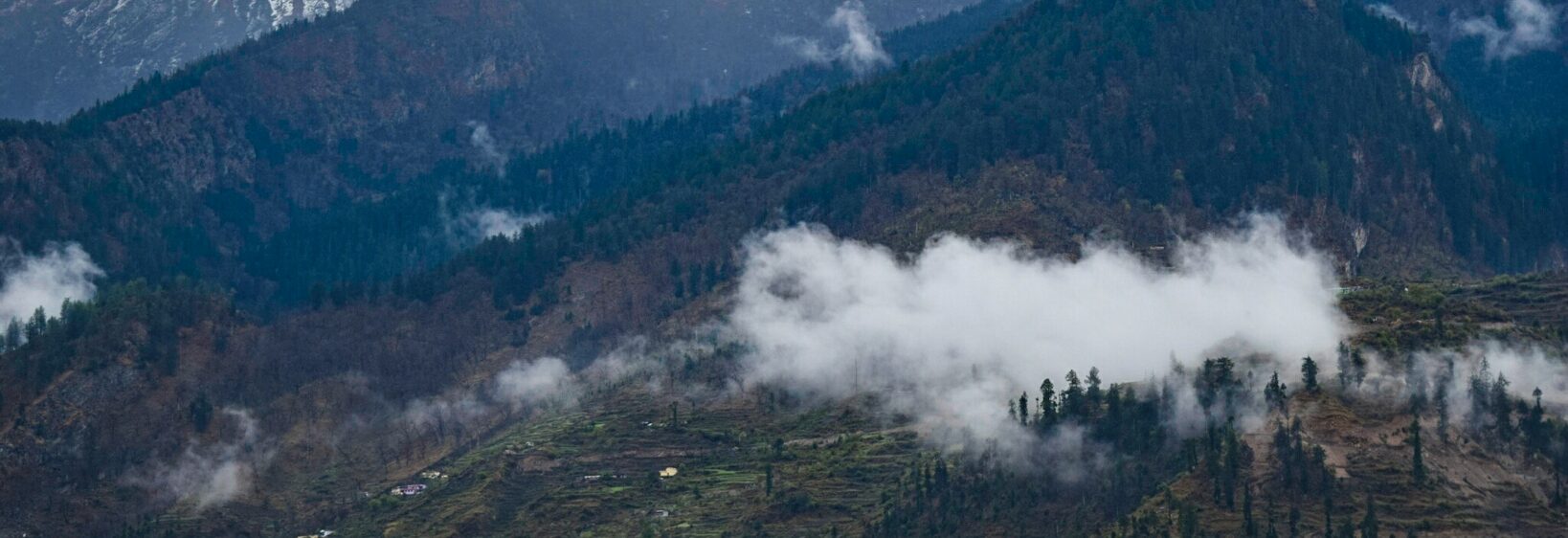
Pangot Village: Birdwatching and Early Morning Forest Strolls
Pangot is a quiet Himalayan village about 15 kilometres from Nainital in Uttarakhand, surrounded by oak, pine, rhododendron and cedar forest. Its narrow roads, hillside homestays and bird-rich trails make it a rewarding base for travellers who prefer woodland walks to crowded viewpoints.
For visitors from Australia, the village offers a very different morning rhythm. Instead of a beach walk near Sydney or a café run in Melbourne, the day begins with mist, distant calls and the soft movement of leaves. A little preparation helps you enjoy the forest without disturbing its wildlife or local residents.
Why Pangot attracts birdwatchers
Pangot and the surrounding Kilbury forest are known for Himalayan birds, including colourful pheasants, woodpeckers, laughingthrushes, flycatchers, barbets and several species of tits. Sightings depend on season, weather and patience, but the variety is one of the area’s strongest attractions.
The forest is particularly suitable for slow observation. Birds often remain hidden in the canopy, so a quiet walk can be more productive than covering a long distance. A local guide who knows feeding areas and calls can greatly improve the experience while keeping visitors on established paths.
The best time for a forest walk
Early morning is generally the most rewarding period. Before traffic and village activity increase, birds are feeding and calling, while the low light gives the forest a calm, atmospheric quality. Aim to leave shortly after sunrise, allowing time to stop frequently rather than treating the outing as a strenuous hike.
Spring and autumn usually provide comfortable walking conditions, although temperatures can change quickly at altitude. Winter mornings may be cold and clear, while the monsoon brings lush vegetation, slippery trails and reduced visibility. A lightweight waterproof jacket, warm layer and shoes with firm grip are useful throughout the year.
What to carry on the trail
Binoculars are more valuable than a large camera lens for many visitors. Carry water, a small snack, sunscreen, a hat and a compact first-aid kit. A headlamp can help if you leave before sunrise, and offline maps are sensible because mobile reception may be inconsistent.
Wear muted colours and avoid strong fragrances. Keep voices low, switch your phone to silent mode and never use playback calls to lure birds. Photography should leave the subject undisturbed: do not chase, block a nesting site or use flash at close range.
Village stays and local hospitality
Pangot has guesthouses, homestays and small lodges suited to different budgets. Accommodation is often simple, with home-cooked meals and views across forested slopes. Electricity and hot water may be limited compared with urban hotels, so expectations should be adjusted before arrival.
Travellers accustomed to reliable services in Brisbane, Perth or Adelaide may notice that dining times and transport operate more flexibly here. Carry some Indian rupees in cash, confirm meal arrangements in advance and allow extra time for mountain roads. Supporting family-run stays helps keep tourism income within the village.
Reaching Pangot from Nainital
Most visitors travel to Pangot from Nainital by taxi, with the journey taking roughly 45 minutes depending on road conditions. Nainital can be reached from Kathgodam railway station, while travellers arriving through Delhi often combine a train or private vehicle with a hill transfer.
The final approach is scenic but winding. Motion-sickness medication may be useful, particularly for visitors unused to Himalayan roads. After a long journey from Australia, spending a night in Nainital before exploring Pangot can make the transition to the altitude more comfortable.
Building a wider Uttarakhand itinerary
Pangot works well as a peaceful stop within a broader Kumaon journey. Nainital, Mukteshwar, Ranikhet and Binsar offer different combinations of viewpoints, temples, forest walks and cultural experiences. Travellers interested in Uttarakhand’s rivers and adventure routes can also explore this Dhauliganga travel guide while planning a longer trip.
Allow realistic travel times between destinations rather than relying only on map distances. Mountain roads can be slowed by rain, roadworks, livestock or seasonal traffic, and shared taxis may not run according to a fixed timetable.
Responsible travel for Australian visitors
Australia’s strict biosecurity legislation means returning travellers must declare food, seeds, untreated wooden items and other restricted materials. Avoid packing soil, feathers or plant material collected in Uttarakhand, and check current Australian Department of Agriculture requirements before flying home.
Local environmental care matters during the visit as well. Take rubbish back to your accommodation, use refillable water where safe, avoid disposable plastic and respect village customs around homes and religious places. Resources such as responsible travel ideas can also encourage a lighter approach to photography and outdoor tourism.
Pangot is at its most memorable when experienced quietly: a thermos of tea after a dawn walk, a distant Himalayan call and forest light moving across the trail. That unhurried atmosphere is the real reward of staying in this small Uttarakhand village.