Sarmoli Village in Munsiyari: Women-Led Homestays and Cultural Exchange
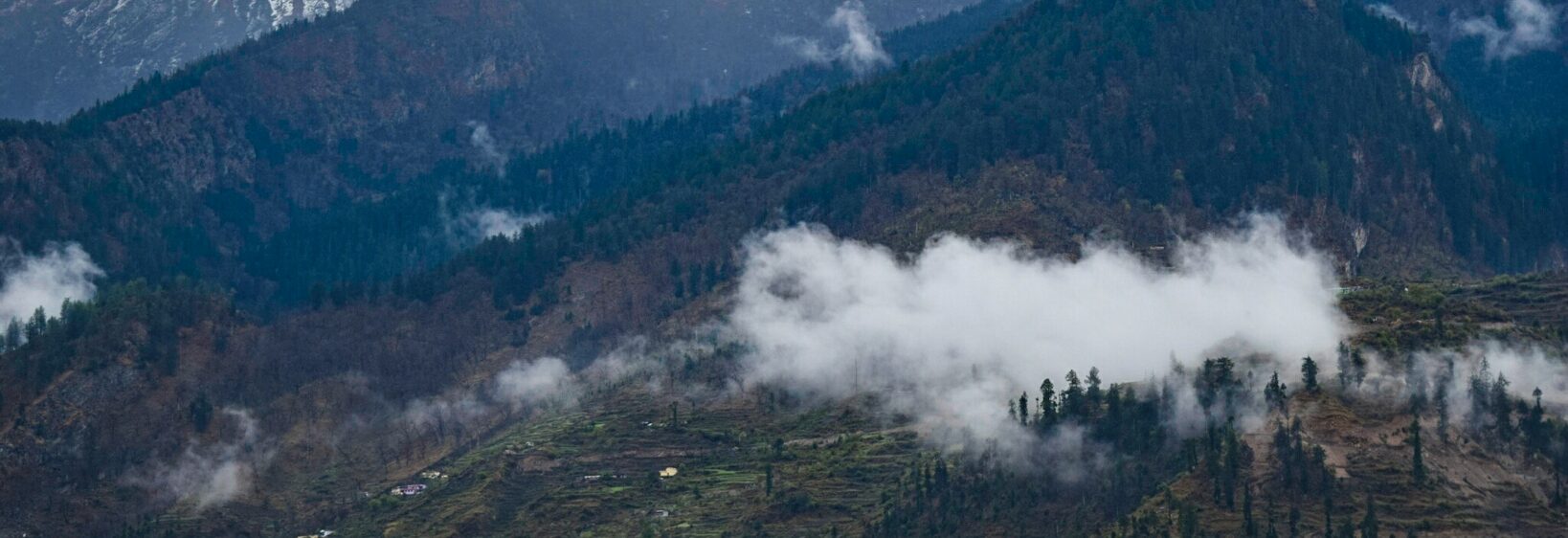
High in Uttarakhand’s Kumaon Himalaya, Sarmoli village offers a slower and more personal way to experience mountain life. Located near Munsiyari in Pithoragarh district, it looks towards the dramatic Panchachuli peaks and sits within the cultural landscape of the Johar Valley.
The village is well known for community-based tourism, especially homestays managed by local women. Visitors stay with families, eat regional food, walk through terraced fields and learn how households balance farming, seasonal migration, craft traditions and tourism.
Sarmoli is a rewarding destination for travellers who prefer conversation and participation over a tightly scheduled sightseeing tour. A morning may involve collecting vegetables, visiting a small temple, watching village birds or listening to stories about trails leading towards Milam and other high valleys.
For Australians travelling from cities such as Sydney, Melbourne, Brisbane or Perth, the journey is a significant change of pace. Quiet evenings, limited mobile connectivity and early household routines create a genuine cultural exchange rather than a resort-style holiday.
| Aspect | Sarmoli experience | Practical meaning for visitors |
|---|---|---|
| Accommodation | Family-run village homestays | Expect shared meals, simple rooms and local hospitality |
| Landscape | Terraced farms, forests and Himalayan views | Comfortable walking shoes and layered clothing are useful |
| Food | Kumaoni home cooking and seasonal produce | Meals may be vegetarian and prepared with local ingredients |
| Culture | Johari traditions, language, music and craft | Respectful conversation is part of the experience |
| Tourism model | Women-led, community-based hosting | Spending supports households within the village |
A village shaped by the Johar Valley
Sarmoli belongs to a region historically connected with trade routes towards Tibet. The people of the Johar Valley, often called Joharis, have developed a distinct cultural identity shaped by mountain agriculture, pastoral activity, wool work and long-distance movement.
Kumaoni is widely spoken, while Hindi helps visitors communicate. A few friendly words in the local language, careful listening and interest in family history can make a stay feel more meaningful. The village is a living community, not a themed attraction arranged for tourists.
Women at the centre of tourism
The homestay movement has given local women a stronger role in earning, decision-making and presenting their culture to visitors. Hosts may manage bookings, prepare meals, guide walks, explain farming practices and coordinate activities with neighbouring households.
This arrangement distributes tourism income more widely than a single commercial hotel. It can also encourage younger residents to value local skills, including traditional recipes, weaving, folk songs and knowledge of medicinal plants.
What a homestay usually feels like
Rooms are generally clean and comfortable, though facilities are modest compared with an urban hotel. Hot water may depend on solar heating or a limited supply, and electricity or internet access can be less reliable than in Delhi or Australia.
Meals often include dal, rice, vegetables, roti, chutneys and regional dishes made from millet or locally grown produce. Guests should mention dietary needs in advance. Australians accustomed to café breakfasts, takeaway coffee and late dinners may need to adjust to an earlier, family-oriented rhythm.
Walking through farms and forests
Village walks reveal stone houses, wooden balconies, cattle sheds and carefully maintained terraces. Depending on the season, fields may show wheat, potatoes, beans or other crops. Local guides can explain irrigation, forest use and the pressures created by changing weather and rural employment patterns.
Longer excursions around Munsiyari require preparation because altitude affects energy and breathing. The town is already above 2,000 metres, and trails can become slippery during rain or snow. Gradual acclimatisation, sun protection and a refillable water bottle are sensible choices.
Food as a bridge between cultures
Sharing a meal is one of the easiest ways to connect with a host family. Ask about the origin of an ingredient, help with a simple preparation task if invited and take time to understand why certain foods are served during festivals or family events.
Cultural exchange can also move beyond the immediate region. Travellers comparing Himalayan sweets with Japanese rice treats might enjoy this Japanese mochi guide, then return to Sarmoli’s own grain-based recipes and preserved foods.
Planning the journey from Australia
Most international visitors travel to Delhi, then continue by air or road towards Uttarakhand. The final approach to Munsiyari is mountainous and can take considerable time. Checking current Indian visa requirements is essential, since entry rules and permitted documents can change.
Australian travellers should also remember that the Biosecurity Act 2015 creates strict rules around bringing food, seeds, untreated timber and animal products into Australia on the return journey. It is wise to leave local agricultural items behind unless they are clearly permitted. GST-inclusive pricing, weekend farmers markets and the everyday habit of carrying reusable shopping bags are familiar Australian details, but village commerce works on a smaller and more personal scale.
Photographing Sarmoli respectfully
The village is highly photogenic, from sunrise over Panchachuli to woollen textiles, stone lanes and fields bordered by forest. Ask before photographing people, homes, religious ceremonies or children. A portrait becomes more respectful when it follows a conversation rather than interrupting one.
Travel photography enthusiasts can find wider inspiration in the regional UK Photos Gallery, which features Uttarakhand destinations and visual stories. In Sarmoli, however, the best images often come from slowing down, using natural light and allowing daily life to unfold without staging.
When to visit and what to expect
Spring brings flowers and clear mountain views, while autumn is often appreciated for crisp skies after the monsoon. Summer can be pleasant in the hills, although rain may interrupt roads and walks. Winter offers a quieter atmosphere but requires warm clothing and flexibility.
Sarmoli’s greatest appeal is its human scale. Women-led homestays make travel income part of community life, while guests gain an honest view of Kumaoni hospitality, mountain work and local resilience. The experience stays with visitors because it is built around shared time rather than a checklist of attractions.