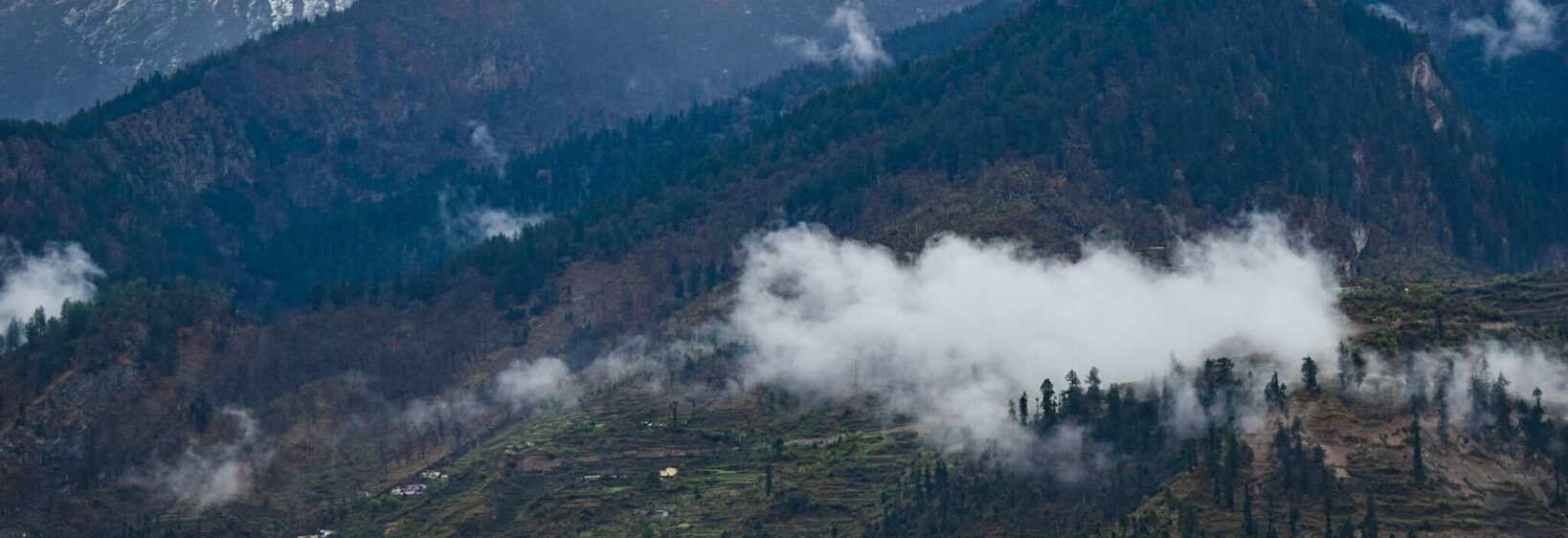
Traditional Pahari Wedding Rituals In Uttarakhand
A Pahari wedding is a celebration shaped by Himalayan landscapes, close-knit villages, family honour, and inherited customs. Across Uttarakhand, ceremonies differ between Garhwal and Kumaon, and even neighbouring communities may follow their own songs, foods, and marriage traditions.
These rituals bring together sacred blessings, lively folk music, symbolic offerings, and the warmth of the entire village. Marriage is viewed as a union between two families rather than only a private ceremony for the bride and groom.
For visitors and photographers, a traditional wedding offers a meaningful glimpse into Uttarakhand’s cultural heritage. It also shows how local languages, handmade clothing, temple customs, and seasonal lifestyles continue to influence modern celebrations.
Family Bonds And Marriage Traditions
Pahari marriages traditionally begin with families discussing compatibility, social values, and practical matters. Elders have an important role in approving the match, although younger couples increasingly participate directly in the decision. In many communities, horoscopes and auspicious dates are still consulted before the wedding is fixed.
The engagement, often known locally through regional terms and customs, may include the exchange of sweets, clothes, jewellery, or symbolic gifts. Relatives gather to offer blessings, while women sing traditional marriage songs that describe family life, separation, affection, and the responsibilities of a new household.
Songs, Clothing, And Wedding Preparations
Preparations begin several days before the main ceremony. Homes are cleaned and decorated with flowers, colourful fabrics, and locally available materials. Women may gather for evening singing sessions, creating a warm atmosphere filled with dhol, dholak, or other traditional rhythms.
The bride’s clothing varies by community but may include a ghagra, sari, pichora, or richly embroidered shawl. In Kumaoni weddings, the yellow or saffron pichora is especially recognisable, often decorated with red motifs that represent prosperity and protection. Gold jewellery, nose rings, glass bangles, and decorative head coverings complete the bridal appearance.
Sacred Rituals Around The Wedding
The wedding day commonly includes prayers to family deities and visits to a temple or sacred space. A priest guides the couple through offerings, mantras, the lighting of the sacred fire, and the exchange of garlands. The exact order of rituals depends on caste, region, family tradition, and local interpretation.
The bride and groom usually circle the fire or complete other vows that express mutual support, duty, and prosperity. In some Garhwali and Kumaoni communities, the groom’s procession arrives with music and dancing, while relatives welcome him through ceremonial gestures before he enters the wedding space.
The emotional farewell, known as bidai, is often one of the most moving moments. The bride leaves her parental home with blessings and tears, while both families acknowledge the significance of her new journey.
Rituals At A Glance
Although customs vary, several elements appear frequently in traditional Uttarakhand weddings. The following overview gives a broad picture rather than a fixed rulebook.
| Wedding Element | Cultural Meaning | Common Expression |
|---|---|---|
| Family deity prayers | Protection and ancestral blessings | Offerings at a temple or household shrine |
| Folk wedding songs | Shared memory and emotional expression | Women singing in Garhwali or Kumaoni |
| Pichora or traditional attire | Regional identity and auspiciousness | Bright yellow, red, or embroidered clothing |
| Sacred fire ceremony | Commitment and spiritual witness | Vows, offerings, and ritual rounds |
| Wedding procession | Public celebration and family honour | Music, dancing, and community participation |
| Bidai | Transition into married life | Blessings and farewell from the bride’s family |
For readers exploring the wider mountain culture, the Har Ki Dun trek also offers an opportunity to see the villages, landscapes, and seasonal traditions that shape life in the Himalayan valleys.
Food, Hospitality, And Community Participation
Food is central to a Pahari marriage. Guests may be served regional dishes such as chainsoo, kafuli, aloo ke gutke, bhatt ki churkani, jhangore ki kheer, singal, and seasonal vegetable preparations. Menus differ according to family resources and location, but home-cooked food remains an important expression of hospitality.
In village weddings, neighbours often help with cooking, decoration, seating, music, and guest arrangements. This shared effort reflects the community spirit of Uttarakhand, where celebrations can bring together extended relatives from distant towns and hill settlements.
Ways To Respect The Tradition
Visitors, wedding photographers, and guests can support the cultural meaning of the occasion by observing local etiquette. A few simple practices make participation more thoughtful:
- Ask permission before photographing rituals, elders, children, or private moments.
- Wear modest clothing and follow instructions about entering temples or sacred areas.
- Avoid interrupting ceremonies for posed pictures or social media content.
- Learn a few respectful words in Garhwali or Kumaoni when visiting a local family.
- Choose local musicians, cooks, artisans, and guides whenever arrangements allow.
Photography should preserve atmosphere rather than turn every ritual into a performance. Candid images of preparation, folk singing, traditional jewellery, and shared meals can tell a richer story when captured with patience and consent.
Keeping Pahari Heritage Visible
Modern Uttarakhand weddings may include hotels, professional planners, DJs, and contemporary clothing, yet many families continue to retain ancestral prayers, regional songs, and traditional food. This combination allows the celebration to evolve without losing its local identity.
The UK Photos Gallery shares visual stories of Uttarakhand’s destinations, customs, temples, and everyday life, helping readers connect with the culture beyond popular tourist viewpoints. Traditional weddings deserve the same careful attention because they reveal how heritage lives within families and communities.
When visiting Uttarakhand, experience these celebrations with humility and curiosity. Support local cultural practitioners, document stories responsibly, and explore the villages, temples, and landscapes where Pahari traditions continue to thrive.