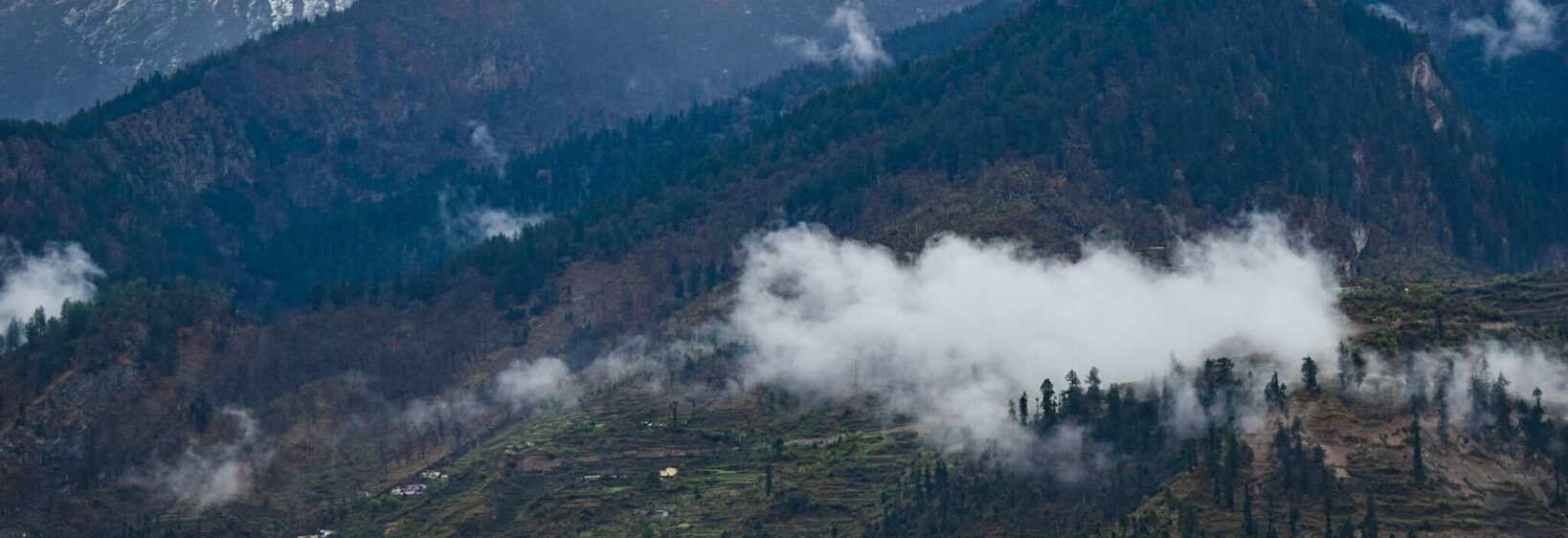
Phool Devi Temple: A Folk Tale in Stone
In Uttarakhand, some sacred places are grand mountain shrines, while others are modest temples known mainly through village memory. Phool Devi Temple belongs to the second tradition: a folk shrine whose importance rests on oral history, stonework, seasonal worship, and the relationship between a community and its landscape.
The temple’s story is best approached with respect rather than certainty. Local versions may differ from one settlement or family to another, and that variation is part of the living tradition. The shrine offers visitors a glimpse into Kumaoni and Garhwali faith, where flowers, rocks, forests, springs, and ancestral stories often share the same sacred space.
The setting behind the shrine
Small temples dedicated to local goddesses are often placed near old paths, cultivated terraces, forest edges, or water sources. Such locations were practical as well as spiritual. Travellers could pause there, villagers could gather during festivals, and the deity could be understood as a protector of homes, fields, animals, and mountain routes.
The name Phool Devi evokes flowers and springtime, but it also suggests purity, renewal, and the delicate bond between village life and the Himalayan environment. In many Uttarakhand traditions, flowers are offered before elaborate objects, making a seasonal blossom an important expression of devotion.
Because minor shrines may be identified differently on maps, visitors should verify the exact village, access road, and local name before setting out. A nearby resident, temple caretaker, or trusted driver is often more useful than relying on a pin alone.
The folk tale in stone
The most compelling reading of the shrine is as a meeting point between legend and material memory. Oral accounts may describe Phool Devi as a protective presence, a woman associated with the land, or a divine figure whose blessing helped a community endure hardship. The details can change, yet the central idea remains: the goddess watches over people who maintain a respectful relationship with their surroundings.
Its stone elements give the story a physical form. Weathered masonry, carved surfaces, threshold stones, bells, and small votive markers record years of prayer even when no formal inscription explains their origin. A crack caused by rain, a soot-darkened corner, or a newly painted section can reveal how the shrine continues to be cared for.
Rather than treating every feature as an archaeological clue, observe how people use the space today. The living ritual is often the clearest explanation of the temple’s significance.
Reading the symbols and rituals
Flowers are likely to be central to worship, especially during spring celebrations and local observances. Devotees may bring marigolds, seasonal blossoms, incense, vermilion, lamps, or simple offerings prepared at home. The exact ritual differs by community, so visitors should watch first and follow local guidance.
Bells and red or saffron cloth commonly appear at Himalayan shrines, but their meaning is not identical everywhere. A bell may represent a spoken prayer, while cloth can mark a vow or devotional offering. Ask permission before touching, moving, or photographing such objects.
The temple can also be understood through the wider culture of Uttarakhand. Folk songs, regional languages, village fairs, and agricultural calendars often shape worship as much as written religious texts do.
Planning a thoughtful visit
| What to consider | Practical approach |
|---|---|
| Best season | Spring for flowers and village festivals; autumn for clearer mountain weather |
| Access | Confirm the final walking route and road conditions locally |
| Clothing | Wear modest, comfortable clothing and shoes suitable for uneven ground |
| Photography | Ask before photographing worshippers, rituals, or sacred objects |
| Offerings | Buy simple local offerings and avoid plastic packaging |
| Time needed | Allow extra time for conversation, quiet observation, and walking |
A visit can be combined with a broader Uttarakhand itinerary, particularly if the route includes village heritage, forest walks, or nearby pilgrimage sites. Allow for delays caused by mountain roads, weather, and limited transport rather than planning the shrine as a rushed stop.
For photographers, soft morning or late-afternoon light can reveal the texture of old stone and timber. The changing colours of Himalayan landscapes offer useful inspiration too; a guide to sunset at Bhimtal shows how quiet landscape photography can focus on mood instead of crowded viewpoints.
Respecting a living place
Phool Devi Temple should not be treated as a decorative ruin or a backdrop for staged photographs. It remains meaningful to local families, and an apparently empty shrine may still be an active place of worship. Keep voices low, follow instructions, and avoid entering restricted areas.
Do not remove stones, flowers, ash, offerings, or fragments from the site. Carry rubbish away, avoid loud music, and do not use drones without clear permission. If a caretaker explains a local story, record the account accurately and acknowledge that it is an oral tradition rather than presenting one version as universal fact.
Those interested in Uttarakhand’s sacred landscapes can also explore the underground religious heritage of the region through the Patal Bhuvaneshwar caves, where geology and devotion are closely connected.
Making the story part of your journey
Use these simple practices to make a visit more rewarding:
- Learn a few respectful words in the local language before arriving.
- Carry water, a small first-aid kit, and cash for village purchases.
- Support local guides, homestays, drivers, or artisans where possible.
- Ask permission before photographing people or conducting interviews.
- Write down the storyteller’s name and village when sharing local folklore.
Phool Devi Temple is valuable precisely because its story may not be fixed in a single official version. Stone, flowers, memory, and daily devotion keep adding meaning to the shrine. Visit patiently, listen to the people who care for it, and let this small sacred place become a thoughtful part of your Uttarakhand journey.