The Kali River in Pithoragarh: rafting rapids and riverside villages
The Kali River in Pithoragarh cuts through eastern Uttarakhand beside Nepal, combining forested gorges, lively villages and memorable whitewater. Below Jaunsari, a barrage creates standing waves for rafters. The valley also shows how mountain farms, forest resources and seasonal river traffic shape life in far-eastern Kumaon.
Rafting is a cool-season activity from October into May, sometimes early June, subject to rainfall, barrage releases and safety checks. Heavy monsoon rain suspends many journeys. Grades change with the water, so a local guide’s briefing is more reliable than a generic map or fixed itinerary.
The river is not simply an outdoor course. Bagini, Dungli, Tang and quieter settlements such as Dhak and Namik reveal Sherpa, Tharu and broader Kumaoni traditions through fields, orchards, guesthouses and small shrines. Visiting these communities links the rapids with daily life in Pithoragarh’s borderland.
Australian travellers usually enter India through Delhi before continuing to Pithoragarh by domestic flight or road. A responsible local operator, flexible itinerary and respect for river communities make the strongest foundation. Upper-valley weather can shift quickly, so allow extra time and offline travel details.
The river landscape and what makes it memorable
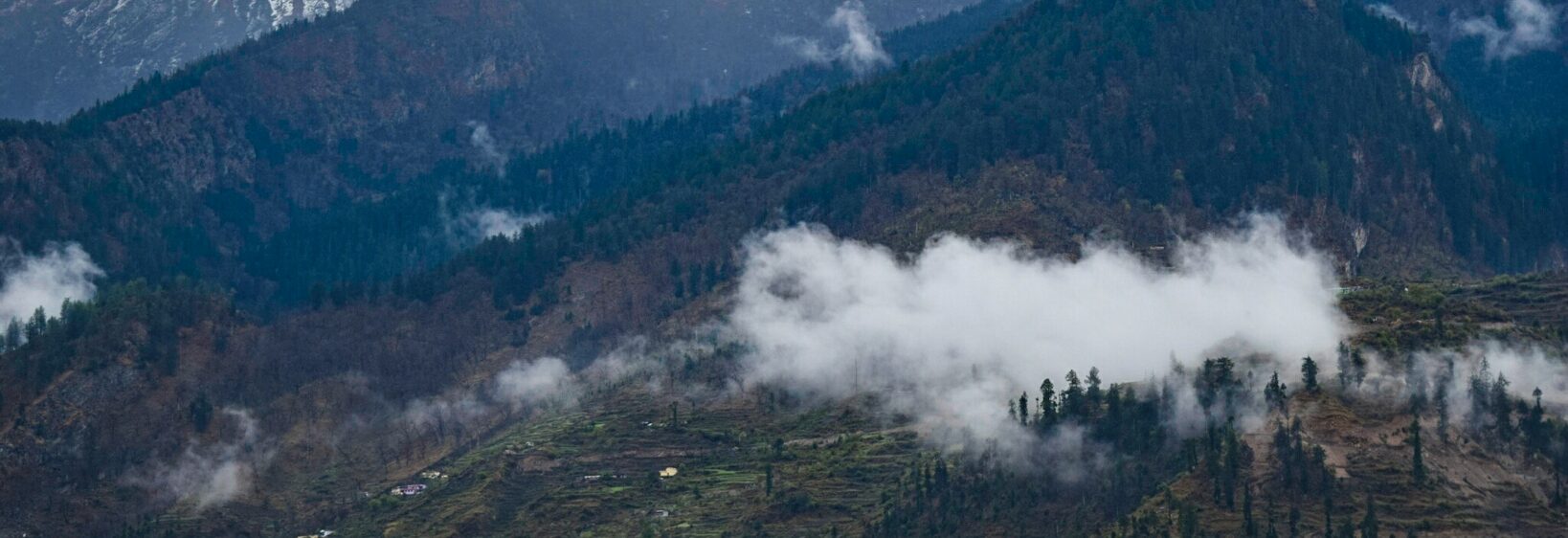
The Kali rises in Darchula and follows the India–Nepal frontier through broad pools and narrow gorges. Sal, pine and subtropical forest cover the valley, while side streams descend from highlands near Askot and Chaukori. Compared with central Uttarakhand’s crowded pilgrimage routes, this eastern corridor feels open and unhurried.
Morning mist may rise before sunlight reaches the higher ridges, and monsoon clouds can gather by afternoon. A quieter Kumaon contrast lies around Gwaldam Lake; this Gwaldam Lake guide shows how that calmer destination differs from the Kali’s active river corridor.
Choosing a route that matches your experience
Most visitors choose a shorter introductory run or a longer journey into stronger water. Packages often include an upstream boat transfer because the barrage separates the calm approach from the put-in. The experience centres on reading currents, with birdwatching and forest scenery filling quieter moments between waves.
- Jaunsari to Bagini: usually the gentler option, suited to first-time rafters and shorter trip days.
- Jaunsari to Tang: longer, with stronger waves and sections commonly graded in the higher III–IV range.
- Instructor-led or private: best considered after checking the exact put-in, guide ratio and daily water conditions.
Ask which stretch you will run, what the grade means that day, and who supplies helmets, buoyancy aids and trained guides. A Grade IV label is not universal because releases alter the river. Confident rafters can consider the longer run, while beginners should accept the guide’s judgement about group placement.
Use a registered local agency, carry identification and leave the itinerary with someone at home. Coverage becomes intermittent outside main settlements, so download maps and keep emergency contacts offline. Dry bags, warm layers and secure footwear are more useful than large luggage.
Riverside villages and living Kumaoni culture
Bagini offers guesthouses, cafés and walking paths above the river. Around Dhak, Namik and Thali, Sherpa families maintain traditions shaped by Himalayan connections. Ask before photographing people or ceremonies, and treat homes, shrines and fields as private spaces rather than staged attractions. Quiet curiosity is better than a rapid photo list.
Lower down, Tharu communities contribute distinctive foodways, music and knowledge of the warmer valley floor. Weekly bazaars bring together rice, millet, vegetables, fruit and forest goods. Buying from local stalls and accepting hospitality without expecting access supports a more direct exchange.
Homestays can support small-scale tourism, but rewarding exchanges are simple: share a meal, ask about the monsoon and listen to how the river affects farming, supplies and work. Village guides can identify safe paths and sensitive places that should be left alone.
Planning around Australian travel habits
Most Australians connect through Delhi before travelling onward to Pantnagar, Pithoragarh or the wider Kumaon circuit. Road transfers take several hours and lengthen during monsoon disruption. Pithoragarh Airport is useful when schedules align, though a delayed domestic flight can affect a rafting day.
Indian Standard Time is about four and a half hours behind Sydney, Melbourne and Brisbane during Australian standard time, and two and a half behind Perth; daylight saving changes the eastern gap. Traffic keeps left in both countries, so Australians recognise the road side, although mountain bends and mixed traffic demand more attention.
Cards may work at larger hotels and established agencies, but small market stalls, fuel stops and guides often prefer cash. Carry rupee notes in several denominations. Many eateries serve vegetarian food by default, so travellers wanting meat, or avoiding onion or garlic, should say so clearly when ordering.
- Documents: carry your passport, visa and operator contacts digitally and in print.
- Money: keep cash for guides, fuel, purchases and emergencies.
- Connectivity: download offline maps for gorge sections.
- Clothing: bring layers, rain protection and grippy shoes.
A responsible journey beyond the rapids
River safety depends on more than confidence in the boat. Follow the briefing, wear protective equipment, respect closure signals and avoid unregulated rafting. Operators should explain emergency procedures and local conditions. Travellers who do not ask these questions are relying on the river rather than informed choice.
Leave camps, trails and village spaces as found, support local guesthouses and buy from community businesses. International travellers can also compare approaches to preparation and low-impact travel through the Gambellara outdoor resources. The result is a journey shaped as much by the valley’s people and changing light as by its whitewater.