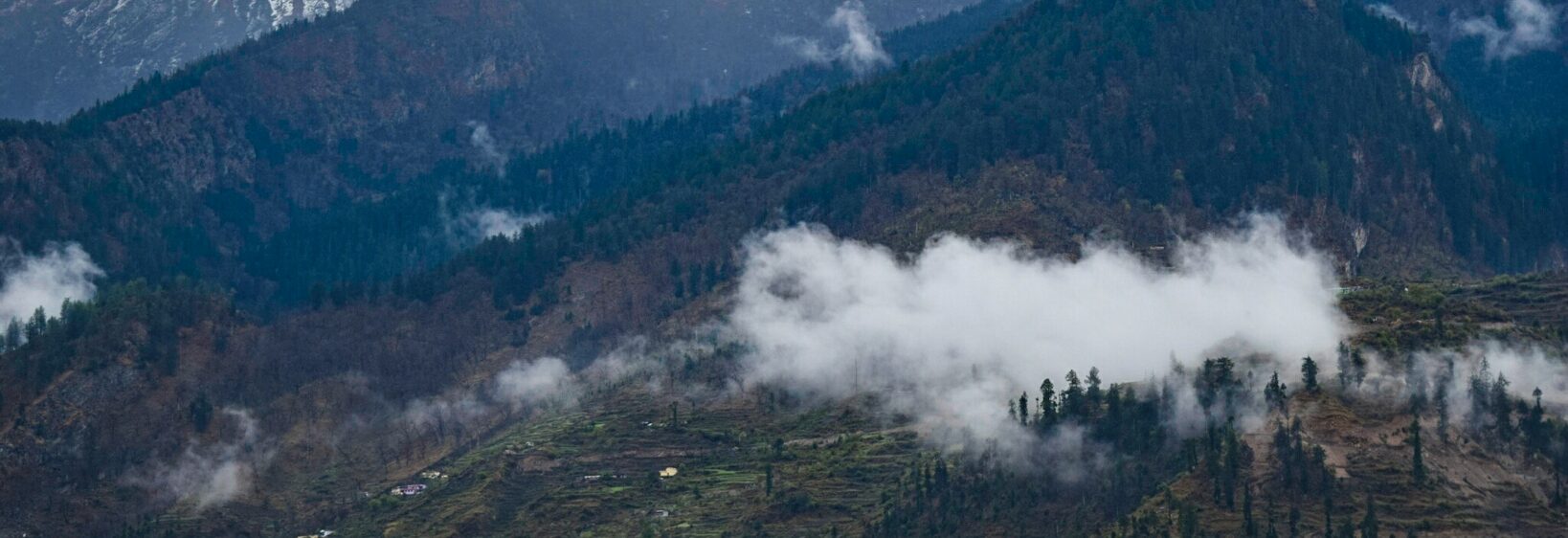
Jageshwar temples beneath Uttarakhand’s deodars
Set near Almora in Uttarakhand’s Kumaon hills, the Jageshwar temples form an ancient cluster of stone shrines amid deodar groves. The sacred complex centres on Shiva, but forests, streams and footpaths give it a character that feels intimate and closely bound to the surrounding landscape.
Rather than rushing between a gateway and one photogenic shrine, visitors can follow narrow paths past smaller temples, weathered steps and streamside resting places. The site also sits within a wider Kumaon journey that can include Almora, Srinaagar and Himalayan viewpoints, making a calm overnight stay more rewarding than a tightly packed stop.
A sacred complex in the forest
| Aspect | Jageshwar | Kasar Devi | Badrinath |
|---|---|---|---|
| Setting | Deodar grove above Dharamthar | Hillside above Almora | Mountain basin by the Alaknanda |
| Focus | Cluster of carved stone shrines | One hilltop temple | Vaishnava pilgrimage complex |
| Access | Road toward Dharamthar, then a short walk | Short road or steep trek from Almora | Long drive via Joshimath |
| Base | Almora or Srinaagar | Almora | Joshimath or Badrinath |
Tradition dates the complex to the early medieval period, often around the ninth century, although repairs have changed parts of the site over time. The principal Shiva sanctuary and shrines dedicated to Brahma and Vishnu were built from carved stone blocks in the Nagara style. Their compact scale rewards close inspection of doorframes, pillar bases and layered roof forms.
The approach from Dharamthar moves through village lanes and shaded paths beside the Gola River. Old stone steps, small stream channels and woodland clearings gradually replace the road, revealing the pilgrimage route as an experience in itself. Visiting beyond the main courtyard also offers quieter views towards the surrounding Himalayan slopes.
Stonework, legends and ritual
Each temple has its own bell, and pilgrims ring them as offerings before prayer. The clear, overlapping tones are central to the atmosphere, particularly when mist or rain settles among the trees. Visitors can hear how the sounds travel differently through the deodar grove and across the stone courtyards.
Local folklore says the bells can sound without a human hand and connects the resonance with hidden spaces beneath the complex. Another enduring story links the shrines with sages and a divine disguise. Such tales are not evidence of the architecture’s construction, yet they reveal how generations have interpreted its unusual acoustics and enduring spiritual presence.
Forest stewardship and village life
The deodars are more than a picturesque backdrop. These Himalayan cedars have long been protected by village forest councils, or van panchayats, linking sacred conservation with local authority. Their evergreen canopy moderates sunlight and provides shelter, while fallen needles give the approach paths their muted colour and scent.
Daily worship continues alongside tourism. The surrounding Kumaoni-speaking communities maintain small shrines and prepare community offerings, or pindis, for festivals and fair days. Seasonal gatherings, devotional music and the changing rhythms of village life give the ancient stone setting a living context that a brief photo stop can miss.
Planning the journey from Australia
Many Australian visitors start in Sydney or Melbourne, then connect through Singapore, Doha or Delhi; direct services and timings vary seasonally. A night in Delhi can make the onward road journey to Dehradun and Almora less stressful. From Almora, Jageshwar requires a road approach toward Dharamthar followed by roughly three kilometres on foot, so luggage and mobility needs deserve consideration.
Passport and visa requirements are not optional: Australian passport holders need an appropriate Indian visa and must satisfy current passport rules. The Government of India’s official e-visa portal is the relevant place to check eligibility and apply, rather than relying on informal promises at arrival. Australian bank cards often work at hotels and larger restaurants, while village shops, fuel stalls and drivers may prefer cash; Indian UPI generally depends on access to a local bank account, so carry modest rupee notes and check foreign-transaction fees.
Australia and India both use left-hand traffic, which simplifies one element of travel, but mountain roads can be narrow, busy and affected by monsoon landslides. A local driver is usually wiser than self-driving, especially in July and August, when Australian school holidays overlap Uttarakhand’s wet season. For regional photographs and route context, the visual travel guide at UK Photos Gallery connects the shrine circuit with nearby destinations.
A respectful and well-prepared visit
A little preparation makes the short walk easier and helps visitors move respectfully through an active place of worship. Before departure:
- Pack a warm layer and rain shell; deodar shade can feel cool even in clear weather.
- Carry water, a small torch and footwear with grip for damp stone steps.
- Keep passport, visa, money and a phone backup secure.
- Download an offline map and confirm pickup or walking arrangements locally.
Within the shrine grounds, observation and courtesy matter more than speed:
- Cover shoulders and knees, and follow directions about shoes near sanctums.
- Ask before photographing worshippers, priests or ceremonies.
- Keep flash off and voices low around prayer and bells.
- Follow attendants’ instructions on offerings and food, and take all litter away.
Photographing stone, trees and stillness
Morning sidelight gives the carved stone crisp definition, while late afternoon turns the deodar canopy copper-gold. Wide views explain the mountain setting; closer frames reveal worn thresholds, bell ropes, lichen and small devotional objects. A respectful photographer works around worship rather than turning ceremonies into staged scenes.
After the walk, Almora and Srinaagar provide cafés, guesthouses and routes into neighbouring valleys, while Dharamthar retains a quieter rhythm. The enduring appeal lies in the meeting of human craft, forest quiet and continuing ritual: every carved lintel and resonant bell belongs to a landscape still lived in, not simply preserved.