Exploring the Adi Badri Temple Complex Through Its Architecture
Tucked in the lower Himalayan landscape of Chamoli district, the Adi Badri Temple Complex is a remarkable group of stone shrines associated with Lord Vishnu. Located near Karnaprayag, the site combines sacred history, mountain scenery, and an architectural style that reflects the changing traditions of Uttarakhand over many centuries.
Adi Badri is counted among the Panch Badri temples, a group of Vishnu shrines spread across the Garhwal Himalaya. While Badrinath is the best known, Adi Badri offers a quieter experience, allowing visitors to examine its carved doorways, compact sanctums, and weathered temple forms without the same level of crowds.
For travellers interested in regional heritage, the complex is an excellent subject for a cultural journey through Uttarakhand. A wider selection of destination photographs and local travel stories can be found on UK Photos Gallery, including visual references for planning a route through the Garhwal region.
A Sacred Setting Near Karnaprayag
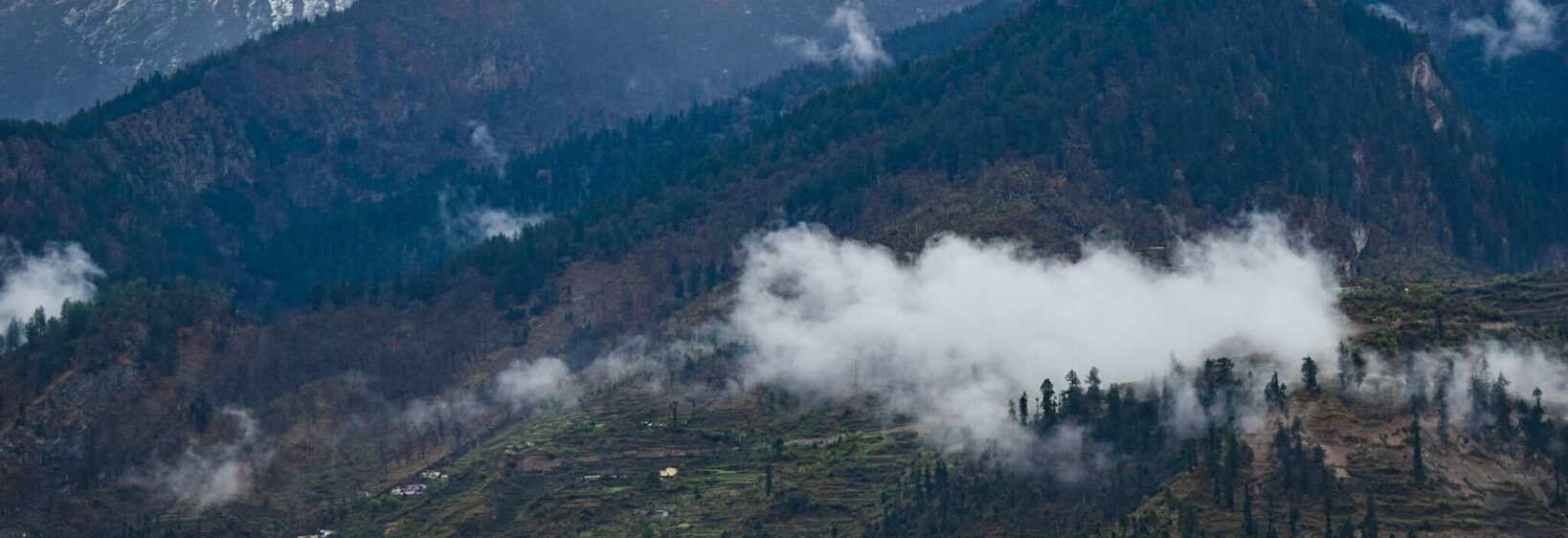
The temples stand in a peaceful valley surrounded by forested slopes and cultivated land. Their setting is important to the experience: the shrines appear connected to the landscape rather than separated from it by grand courtyards or urban development.
Traditional accounts associate Adi Badri with the worship of Vishnu and with the ancient pilgrimage routes leading towards Badrinath. The name “Adi” suggests an early or original form, while “Badri” connects the site with the broader Vaishnavite tradition of Himalayan shrines.
A Cluster Of Ancient Shrines
The complex is generally described as a group of several temples, with the principal shrine dedicated to Narayan, a form of Lord Vishnu. Smaller sanctums honour other Hindu deities, creating a compact sacred ensemble instead of a single isolated monument.
Many accounts attribute the earliest surviving structures to the period between the Gupta and post-Gupta eras, although exact dates and phases of construction can be difficult to establish. Repairs, reconstructions, and devotional use over time have shaped the appearance visible today.
Stone Architecture And Temple Form
The main architectural appeal lies in the restrained stone construction. The shrines use locally available masonry, with small sanctums, simple mandapas or entrance spaces, and sharply defined vertical profiles. Their scale feels intimate, especially when compared with the enormous temple complexes of the plains.
The towers display a northern Indian, or Nagara-influenced, character. Rather than elaborate painted surfaces, the temples rely on proportion, carved stone details, and the rhythm of projecting wall sections. The arrangement reflects how Himalayan builders adapted wider temple traditions to local materials and mountain conditions.
| Architectural feature | What visitors may notice | Why it matters |
|---|---|---|
| Stone masonry | Carefully fitted blocks and aged surfaces | Shows the use of durable local materials |
| Temple towers | Compact, rising forms above the sanctums | Reflects northern Indian shrine design |
| Carved entrances | Decorative details around doorways | Marks the transition into sacred space |
| Multiple shrines | Several temples grouped together | Reveals the layered character of the complex |
| Mountain setting | Forests, slopes, and open valley views | Connects architecture with the sacred landscape |
Details Worth Examining
The entrance zones deserve close attention. Door frames, lintels, and threshold stones often contain the most visible decorative work, including floral patterns, geometric bands, and symbolic motifs. Some carvings have softened with age, but their outlines remain valuable clues to the skill of the craftsmen.
Look also at the relationship between the sanctum and the surrounding open space. The smaller scale encourages a slower form of viewing: instead of walking through a monumental sequence, visitors can compare individual shrines, observe differences in masonry, and notice how later repairs blend with older fabric.
Visiting The Temple Complex
Adi Badri is commonly reached by road from Karnaprayag and can be included in a wider itinerary covering Rudraprayag, Joshimath, Gopeshwar, or other Garhwal destinations. Roads in the hills may be winding and affected by rain, landslides, or seasonal maintenance, so extra travel time is sensible.
The most comfortable visits are usually during the clearer months of spring, early summer, and autumn. Winters can be cold, while monsoon journeys require careful attention to weather and road conditions. Modest clothing, comfortable footwear, and respect for temple customs are appropriate.
Photography And Cultural Respect
The complex offers strong photographic subjects at different times of day. Early light can reveal the texture of the stone towers, while softer afternoon light brings out the contours of carvings and the surrounding ridges. A wide-angle view can show the relationship between the shrines and the valley, while a close frame can highlight a doorway or weathered sculpture.
Before photographing inside any shrine, check local rules and ask permission when necessary. Avoid touching carvings, blocking worshippers, or treating active sacred spaces as purely architectural exhibits. The best photographs preserve both the visual character of the site and the dignity of its religious use.
Practical Ways To Experience Adi Badri
- Combine the visit with another Garhwal heritage or pilgrimage destination.
- Arrive during daylight so the temple details and mountain setting are easy to see.
- Carry water, sun protection, and suitable footwear for uneven paths.
- Ask local residents or temple caretakers about opening times and photography rules.
- Leave the complex clean and avoid removing stones, flowers, or other offerings.
Adi Badri rewards visitors who slow down and look carefully. Its appeal lies in the combination of sacred continuity, modest Himalayan architecture, and a landscape that frames every shrine. Add this distinctive temple complex to your Uttarakhand itinerary and experience one of Garhwal’s quieter architectural treasures in person.