Uttarakhand’s Birding Hotspots: A Photographer’s Checklist
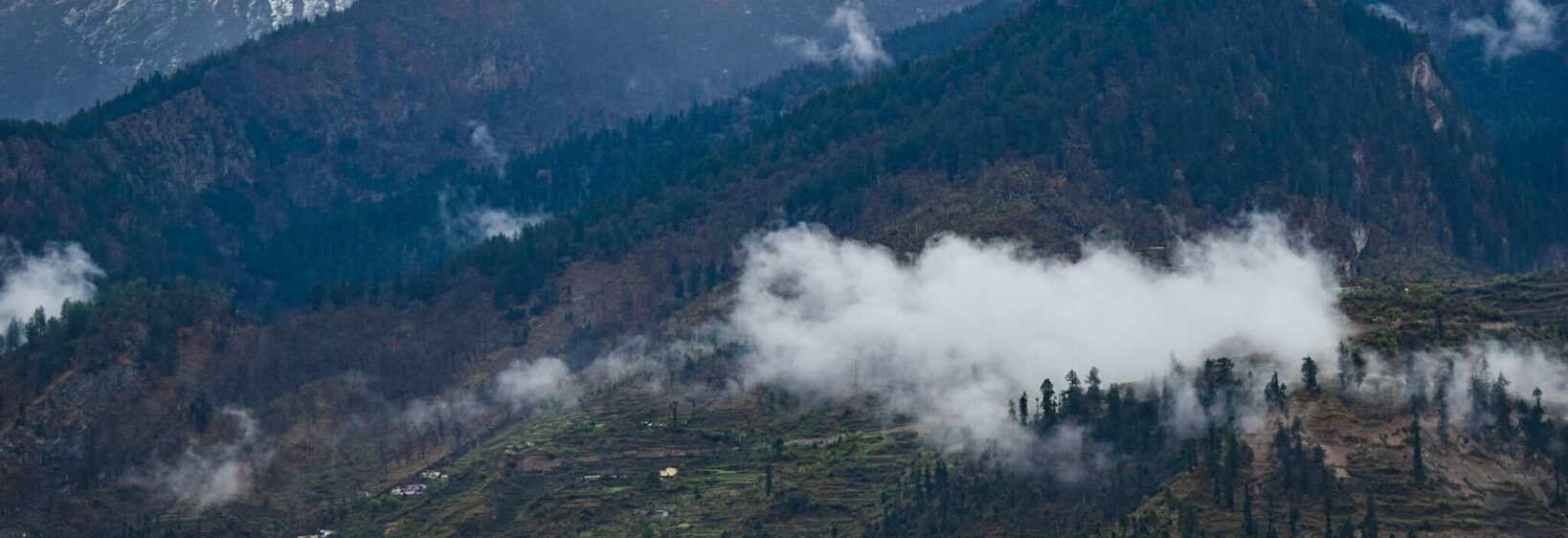
Uttarakhand’s forests, river valleys, wetlands, and alpine meadows create an exceptional landscape for bird photography. A single journey can move from Himalayan foothills filled with barbets and woodpeckers to high-altitude slopes where monal, lammergeier, and snow pigeon appear.
The best birding trips combine patient observation with careful route planning. Rishikesh, Mussoorie, Ranikhet, Pangot, Deoria Tal, Rudraprayag, and the forests around Joshimath each offer different habitats, seasons, and photographic opportunities.
Before setting out, study recent weather, forest access rules, and local transport. A useful visual reference for regional journeys and landscapes is the UK travel gallery, where destination photography can help shape a realistic itinerary.
Choose The Right Season
Spring brings flowering trees, active songbirds, and clear mornings before the monsoon clouds arrive. March to May is particularly rewarding around lower and middle elevations, when Himalayan species become vocal and easier to locate by call.
Autumn offers crisp visibility after the rains, while winter can produce excellent light and quieter trails. Higher mountain routes may be inaccessible after snowfall, so check road conditions before travelling towards Joshimath, Auli, or remote alpine habitats.
Explore Different Bird Habitats
Mixed broadleaf forests are ideal for photographing Himalayan woodpeckers, tits, flycatchers, laughingthrushes, and minivets. Oak and rhododendron zones around Ranikhet and Pangot often reward slow walks, especially during the first few hours after sunrise.
River corridors near Rishikesh and Rudraprayag attract wagtails, kingfishers, dippers, and raptors riding thermal currents. Wetlands, village ponds, and agricultural edges can also produce surprising sightings, including egrets, drongos, bulbuls, and migrating waterbirds.
Match Equipment To The Landscape
A long telephoto lens is useful for distant birds, but a lightweight setup is often better for steep trails. A 100–400mm or 200–600mm lens gives flexibility, while a wide-angle lens records habitat, mountain scenery, and environmental portraits.
Keep shutter speed high enough for wing movement, even in dim woodland. A monopod can help on longer walks, but many photographers prefer handheld freedom when birds appear suddenly. Carry spare batteries because cold temperatures reduce battery life quickly.
| Birding setting | Species you may encounter | Photography approach |
|---|---|---|
| Oak and rhododendron forest | Woodpeckers, tits, flycatchers, laughingthrushes | Use quiet movement and fast shutter speeds |
| Riverbanks and streams | Dippers, wagtails, kingfishers | Watch rocks, pools, and shaded bends |
| Open mountain slopes | Himalayan monal, eagles, vultures | Carry a long lens and scan ridgelines |
| Village edges and orchards | Bulbuls, drongos, magpies, barbets | Look for perches near fruiting trees |
| Alpine and high-altitude zones | Snow pigeon, lammergeier, accentors | Plan around weather and road access |
Photograph Birds With Patience
Bird photography depends more on fieldcraft than constant movement. Pause beneath a tree, listen for repeated calls, and watch where smaller birds disappear. A concealed position near fruiting trees or a water source can produce better images than covering a long distance.
Avoid chasing birds between branches. Sudden movement, loud clothing, and repeated playback can disturb feeding and nesting behaviour. Use natural cover, keep a respectful distance, and accept that some sightings are better recorded in memory than through a viewfinder.
Include Culture In The Journey
A birding itinerary can connect forests with the cultural character of Uttarakhand. Village trails, traditional homes, local markets, and temple landscapes add context to a photographic story, especially when travelling through Almora, Rudraprayag, or the valleys near Joshimath.
Jageshwar is especially valuable for photographers interested in the relationship between nature and heritage. Its cedar-covered surroundings and historic shrines offer a slower subject after a morning in the forest; the guide to Jageshwar’s wooden temples provides useful background before visiting.
Prepare For Responsible Fieldwork
Use local guides when entering unfamiliar forests or searching for specialist species. Their knowledge of calls, seasonal movement, trails, and safe viewpoints can save time while reducing pressure on sensitive habitats.
A responsible photographer avoids nests, feeding sites, and restricted areas. Do not leave food, plastic, or noise behind, and follow instructions from forest staff. Keep a simple record of the date, elevation, habitat, and species; these notes make the images more valuable and improve future planning.
Pack For A Full Day Outdoors
A compact checklist keeps attention on the birds rather than forgotten essentials:
- Binoculars, camera body, telephoto lens, and spare memory cards
- Extra batteries, a rain cover, lens cloth, and weatherproof backpack
- Layered clothing, sturdy shoes, sunscreen, water, and basic first aid
- Field guide or birding app with offline access for remote valleys
- Notebook for recording calls, locations, habitat, and unusual behaviour
Begin before sunrise, move quietly, and leave enough time for unplanned stops. A well-paced Uttarakhand birding trip can produce strong photographs while revealing the region’s forests, rivers, traditions, and mountain light. Use this checklist to plan your next route and document the birds with care.