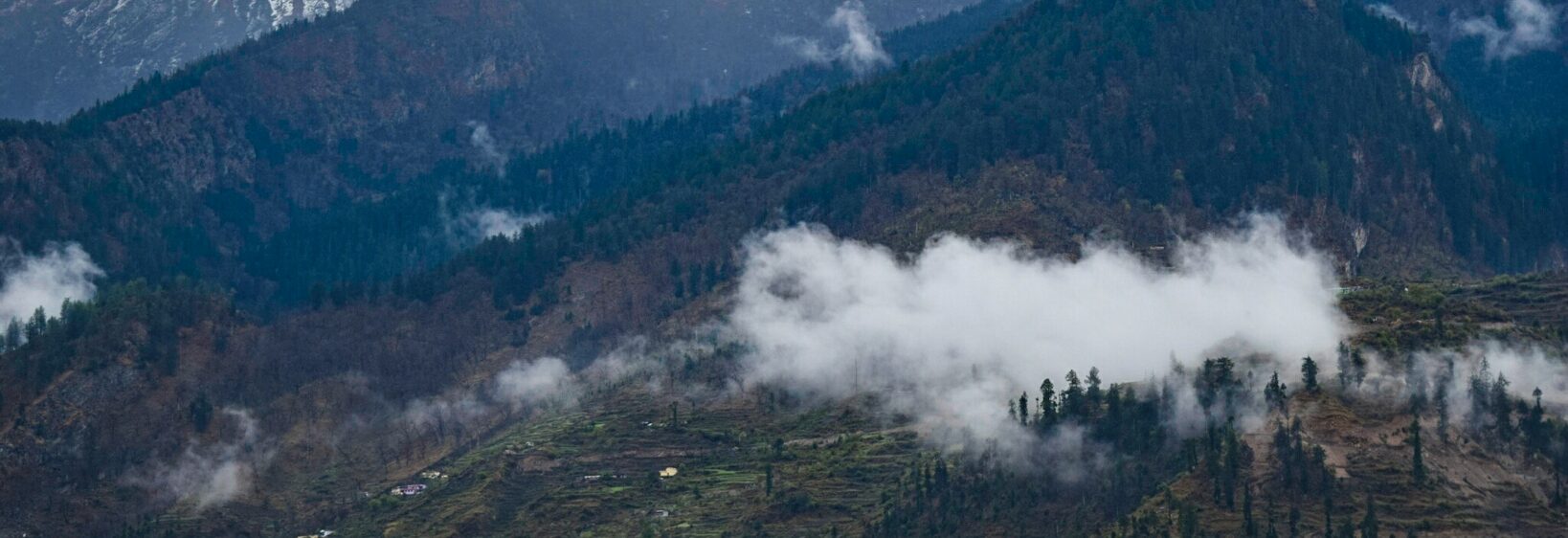
Buda Kedar trek through Uttarakhand’s hidden highlands
The Buda Kedar trek leads into a quieter corner of Uttarakhand, where forest paths, mountain villages and open alpine meadows replace the busy circuits around Rishikesh and Mussoorie. The route centres on Buda Kedar, a sacred settlement in the Tehri Garhwal region, known for its Shiva temple and dramatic river valleys.
Rather than being a single, uniformly marked trail, this journey is a collection of linked paths used by villagers, pilgrims and trekkers. The exact itinerary depends on the approach, seasonal conditions and whether the walk continues towards remote meadows or higher Himalayan lakes.
Ancient water tanks, stone springs and temple ponds add a cultural dimension to the walk. These structures reflect the practical knowledge of mountain communities, which have long depended on carefully managed water sources through dry months and during religious gatherings.
For travellers from Australia, the trip offers a very different style of bushwalking. A visitor leaving Melbourne or Sydney should expect limited transport, basic accommodation and rapidly changing weather rather than signed national-park tracks with regular facilities. In return, the landscape feels intimate and deeply connected to local life.
Reaching Buda Kedar and choosing a route
Most journeys begin with travel through Tehri Garhwal, often using Rishikesh, New Tehri or Uttarkashi as logistical points. Roads are winding and delays caused by monsoon damage, traffic or landslides are possible. A local driver or trekking organiser can make the final approach much easier.
Some itineraries focus on the temple and surrounding villages, while longer treks head towards forest camps, grazing grounds and high meadows. Ask for a current route map before departure, since bridges, trails and accommodation can change between seasons. The UK Photos Gallery offers useful visual context for understanding Uttarakhand’s landscapes and settlements before travelling.
Meadows, forests and mountain wildlife
The lower trail commonly passes through oak, rhododendron and mixed Himalayan forest. In spring, rhododendron flowers brighten the slopes, while autumn provides clearer mountain views after the monsoon. Higher sections open into grassy bugyals, the local term for alpine meadows used traditionally for seasonal grazing.
These meadows are valuable pastoral landscapes rather than empty wilderness. Shepherd shelters, grazing routes and small shrines may appear along the way. Walk quietly, keep away from livestock and avoid picking flowers. Early starts are especially useful because cloud can gather over ridges by afternoon.
Water tanks and sacred places
The ancient tanks around temple settlements and village paths are among the most interesting features of this trek. Some are formal stone-lined kunds connected with religious practice; others are practical reservoirs or spring-fed basins. Their age and condition vary, so they should not be treated as swimming pools or guaranteed drinking-water sources.
At Buda Kedar, spiritual traditions are closely associated with Shiva worship and the surrounding rivers. Dress modestly near shrines, remove footwear where requested and seek permission before photographing ceremonies or residents. A small offering, purchased locally, is more respectful than treating a temple as a photographic prop.
| Feature | Short village walk | Multi-day meadow trek |
|---|---|---|
| Walking time | A few hours to one day | Several days |
| Accommodation | Guesthouse or homestay | Camps, basic shelters or village stays |
| Main appeal | Temple, rivers and water tanks | Forests, bugyals and mountain scenery |
| Guide requirement | Helpful | Strongly recommended |
| Best preparation | Comfortable shoes and water | Trekking kit, sleeping gear and contingency days |
When to travel from Australia
The most comfortable trekking windows are usually spring and post-monsoon autumn. April to June brings flowers and moderate conditions at lower elevations, while September to November often offers clearer skies. The monsoon months can bring slippery paths and road disruption, and winter may close higher routes with snow.
Australian travellers should allow extra days beyond the advertised itinerary. A trip planned around school holidays, an annual-leave window or fixed international connections can become stressful if a road is blocked. Carry some Indian rupees in smaller notes, while keeping emergency funds separate; card payments are uncommon in remote villages.
Food, homestays and local customs
Meals are generally simple, warming and seasonal: dal, rice, roti, vegetables, pickles and occasionally local grains. Tea is offered frequently, and visitors interested in Uttarakhand’s broader food culture can explore Kausani tea estates as part of a wider regional itinerary.
Homestays provide a closer connection to village life than standard hotels. Follow household routines, conserve water and ask before entering kitchens or private areas. Travellers accustomed to Australia’s strict bush-camping principles will recognise the value of carrying rubbish out, although waste services in the Himalayas are far less consistent.
Practical preparation for a remote trek
A local guide is particularly valuable where paths divide through forest or meadow. Pack broken-in boots, warm layers, rain protection, a headlamp, personal medication, sun protection and a refillable bottle. Water should be filtered or treated unless a guide confirms that a source is safe.
Photography is rewarding at Buda Kedar, from temple architecture and stone tanks to wide views across the Garhwal hills. A compact camera is easier to protect from dust and rain than a large kit. For visual travel inspiration and photography-related ideas, Near the Lighthouse provides a useful point of comparison, even though the Himalayan setting is far removed from Australia’s coastal landscapes.
The trek is best approached as a cultural walking journey rather than a race to a summit. Its appeal lies in the combination of ancient water heritage, living mountain traditions, quiet forests and meadows that still support local livelihoods.