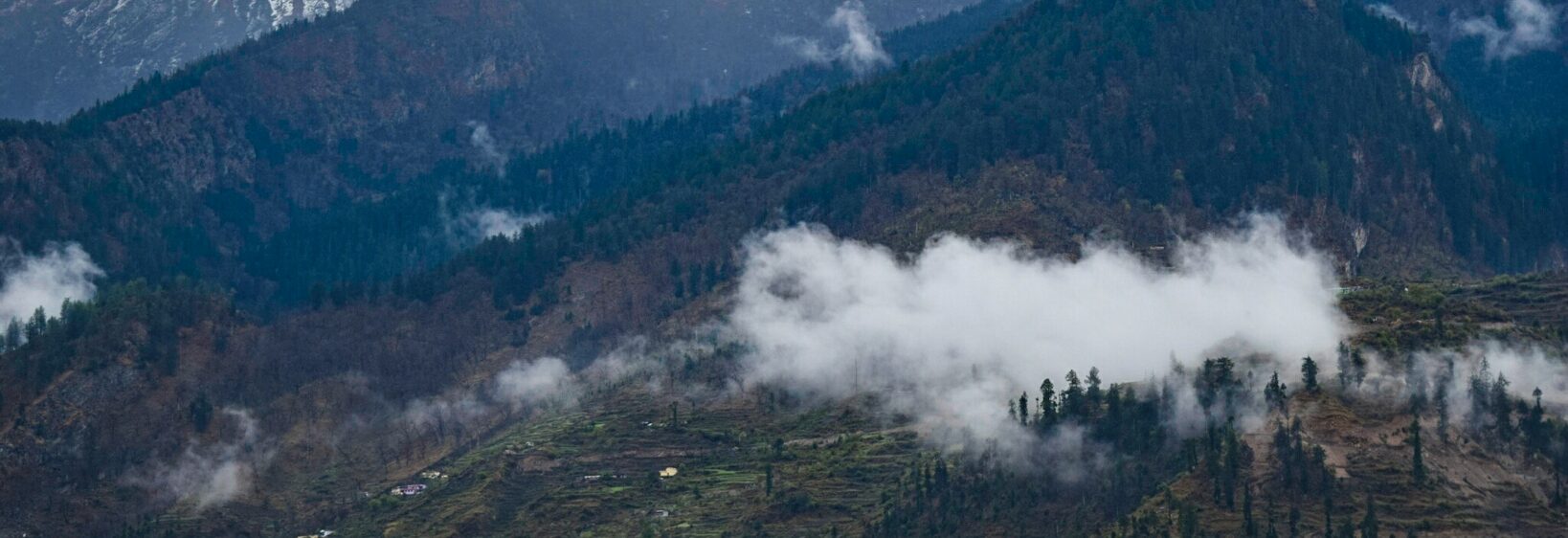
The Ranikhet golf course: colonial era greens and pine canopies
Ranikhet golf course occupies a cool, pine-shaded ridge in Uttarakhand’s Kumaon hills, where the air is thin, the Himalayan light is clear and a colonial sporting ground feels intimate rather than resort-like. Laid out by the British in 1886, it is among India’s oldest surviving golf courses and a revealing link to the hill-station life that shaped this region.
The original nine-hole plan created a compact, conversational round rather than a long championship test. Elevation and mountain weather now supply the drama: shots drift on a hillside breeze, greens sit in moving patches of shade and clouds can arrive quickly. The setting rewards a measured swing, common sense and an appetite for scenery as much as low scoring.
Australian golfers may compare it with Melbourne’s Albert Park, Sydney’s harbour-side public courses and Canberra’s cooler suburban clubs. All three cities have established golf cultures, yet Ranikhet feels more remote and elemental, with often quieter tee times and distant peaks replacing urban skylines.
India and Australia share left-side driving, a useful bit of familiarity. A takeaway coffee before play and a barbecue afterwards are recognisable Australian habits; in Ranikhet, chai and a relaxed terrace conversation provide the local social rhythm. Australian domestic holidays cluster around summer, while the Himalayan course is often at its best during Australian autumn and spring.
A colonial links course in the Kumaon hills
British officers and hill-station residents laid out the course in 1886 as Ranikhet’s military cantonment developed into a summer refuge. The timber clubhouse, clipped edges and measured walking route preserve the atmosphere of an imperial sporting institution, even though the venue now belongs to local life rather than a British enclave.
Early users included soldiers, administrators and families who spent the warmer months in the hills. Broad routes suited walking and travel by buggy, while hazards punished inaccurate approaches. Photographic and historical context for the wider region appears in UK Photos Gallery, whose Uttarakhand archive also covers many nearby towns and traditions.
Playing among pines and Himalayan light
Ranikhet stands at roughly 1,844 metres, so the ball may carry farther than an Australian golfer expects. Deodar, pine and oak create a distinctive canopy, with openings framing distant Himalayan ridgelines. At one point the trees close in; at another, a clearing exposes the settlement below. The same hole under changing light can feel like two different courses.
The clearest, most comfortable playing window generally runs from March to June, with October and November another good period after the monsoon. June to September rain brings vivid grass but can interrupt play, while winter mornings can be frosty. Greens may be slow after rain, so allow time for balls to settle and follow local advice.
What changes for Australian golfers
Australians accustomed to efficient metropolitan bookings should allow more slack here. Club and shoe hire can be limited compared with the dense golf-retail markets of Melbourne and Sydney, and wet weather may alter tee times. A reliable caddie or local host can be more useful than a resort brochure.
| Factor | Ranikhet | Australian reference |
|---|---|---|
| Landscape | Pine and deodar canopy at altitude | Cooler woodland character, closer to Canberra than coastal Sydney |
| Playing window | March to June and October to November | Overlaps Australian autumn and spring |
| Course origins | Compact nine-hole colonial layout | Shorter and more conversational than most metropolitan rounds |
| Club rhythm | Chai and terrace conversation after play | Familiar barbecue and clubhouse atmosphere, but quieter |
Seasonal planning is the biggest adjustment. The course can sit within a wider Himalayan trip, so compare it with the spring hiking destinations featured in this region and decide whether the priority is golf, walking or a longer mountain escape.
Beyond the final green
The course works well within a broader Ranikhet itinerary. The bazaar sells woollen caps, gloves and walking sticks, while nearby temples, orchards and viewpoints reveal everyday Kumaoni culture beyond the cantonment. For water adventure, the Dhauliganga rafting guide offers a separate day of scenery and activity on the river system.
Allow time to walk above Ranikhet, where pine paths and deodar forest replace fairway grass. Camping can be arranged in rural areas nearby, but confirm permissions, water sources and transport with local operators. This wider landscape gives the round context: Ranikhet is a small hill town with seasonal visitors, market days and strong religious traditions, not an isolated club in empty hills.
Practical notes for an Australian visit
Most visitors arrive through Delhi, then continue by road after the rail or bus leg at Kathgodam. The journey can take a full day, so reserve a nearby hotel, confirm the golf schedule and avoid treating the tee time as a rushed stop between flights. Build in extra time for mountain roads and changing weather.
Keep expectations realistic. Carry a waterproof layer, suitable footwear, water and sun protection, and be ready to share the playing area. Punctuality, courtesy and care for the course remain important wherever golfers gather.
Before travelling
- Confirm opening days, tee times, caddie availability and current fees with the course or hotel.
- Arrange club and shoe hire before arrival, or bring your own equipment.
- Leave a buffer between Delhi, Kathgodam and Ranikhet, especially in monsoon weather.
- Pack a waterproof shell, warm layer, sunscreen and reusable water bottle.
On the course
- Use footwear suited to slopes and allow time around the compact route.
- Follow local advice on wet greens, alternate holes and closures.
- Share the playing area and keep noise low near homes and temples.
- Observe clubhouse requests on dress, pace and photography.