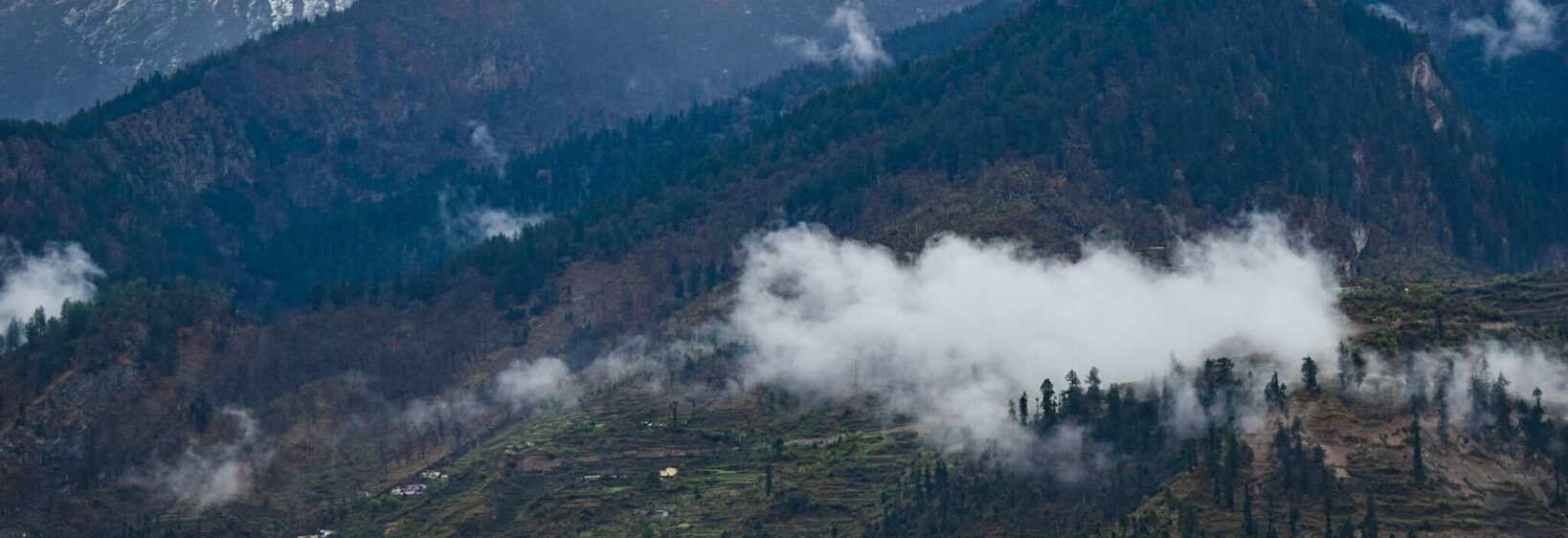
Binsar Mahadev Temple: A Sacred Hilltop Shrine
Set among quiet mountain forests, Binsar Mahadev Temple offers a deeply peaceful experience in Uttarakhand. The shrine is associated with Lord Shiva and attracts devotees who come for prayer, blessings, and the calm atmosphere of the Garhwal hills.
Unlike crowded pilgrimage centres, this temple feels intimate and close to nature. Tall deodar trees, clean mountain air, and distant Himalayan scenery create a setting where spiritual practice and village life remain closely connected.
For travellers exploring the region, the visit can become part of a wider journey through Uttarakhand’s temples, traditional settlements, trekking routes, and scenic hill stations. The Uttarakhand travel guide offers further inspiration for discovering the state’s cultural and natural attractions.
Spiritual Importance Of The Shrine
Binsar Mahadev is a form of Shiva, one of the most widely worshipped deities in the Himalayan region. Devotees visit the temple to offer flowers, incense, water, and prayers. The sanctum is especially meaningful during festivals and auspicious days connected with Shiva worship.
Local belief gives the shrine an enduring place in the religious landscape of the hills. As with many old mountain temples, its importance comes from a combination of faith, oral traditions, seasonal rituals, and the continuing devotion of nearby communities.
The peaceful surroundings also encourage quiet reflection. Visitors who arrive outside festival periods may find only the sounds of bells, birds, wind, and forest life around the temple courtyard.
Forest Setting And Hilltop Views
The approach to the shrine passes through a landscape typical of the middle Himalayas. Pine and deodar forests cover the slopes, while narrow roads and walking paths connect the temple with surrounding villages. Depending on the season and weather, the forest may appear misty, bright green, golden, or softly covered in winter haze.
The temple’s elevated location provides a refreshing contrast to busy town centres. On clear days, visitors may enjoy broad views of ridges and valleys, although mountain visibility changes quickly because of clouds and seasonal conditions.
Photography is rewarding here, particularly in the early morning and late afternoon. The temple entrance, stone details, prayer flags, forest trails, and changing light all offer attractive subjects without disturbing the devotional character of the place.
Travel Details At A Glance
| Detail | Useful Information |
|---|---|
| Location | Forested hill region of Uttarakhand, associated with the Binsar Mahadev area |
| Main deity | Lord Shiva |
| Best experience | Quiet worship, forest walks, photography, and local culture |
| Ideal seasons | Spring, summer, and autumn; check winter road conditions |
| Nearby interests | Himalayan villages, temples, scenic viewpoints, and trekking routes |
| Travel style | Suitable for pilgrims, families, photographers, and slow travellers |
Exact road conditions and local access can vary, so travellers should confirm the current route before starting. A local driver or resident can often provide the most reliable information about the final approach, parking, and walking distance.
Best Time To Visit
Spring brings pleasant temperatures and fresh forest colours, making it a comfortable period for sightseeing. Summer is also suitable for escaping the heat of the plains, though popular hill routes can become busy during holidays.
The monsoon season gives the hills a lush appearance but may bring rain, slippery paths, fog, and occasional road disruption. Travellers should allow extra time and avoid rushing along narrow mountain roads.
Autumn is one of the most rewarding seasons because skies are often clearer and the surrounding landscape looks crisp. Winter visits can be beautiful too, but cold conditions and possible snowfall require warm clothing and advance checks on transportation.
Festivals And Local Traditions
Religious festivals bring special energy to the temple. Mahashivratri is particularly significant, with devotees gathering for prayers, offerings, chanting, and night-long worship in some communities. Smaller observances may also follow the local lunar calendar.
The experience is more meaningful when visitors observe local customs. Dress modestly, remove footwear where required, and ask before photographing priests, worshippers, or ceremonies. Silence and respectful behaviour help preserve the sanctity of the shrine.
A visit may also reveal aspects of Garhwali culture, including regional food, folk expressions, traditional architecture, and the close relationship between village life and the surrounding forest.
Practical Tips For Visitors
- Carry water, light snacks, sun protection, and a warm layer, even during warmer months.
- Wear comfortable shoes because the final section may involve uneven ground or walking.
- Keep the temple and forest clean by carrying all waste back with you.
- Check transport, weather, and road conditions before leaving the nearest town.
- Combine the shrine with nearby viewpoints, villages, or another regional temple for a fuller day trip.
Mobile connectivity may be limited in remote sections, and shops may be scarce near the shrine. Cash is useful for small purchases, donations, or local transport. Visitors travelling with older family members should ask locally about the walking conditions before planning the visit.
A Quiet Place To Remember
Binsar Mahadev Temple is best appreciated slowly. Its appeal lies in the combination of sacred tradition, mountain stillness, forest scenery, and the simple rhythm of a local place of worship. Rather than treating it as a quick stop, allow time to sit quietly, observe the surroundings, and understand its importance to the people who visit throughout the year.
Add this hilltop shrine to a responsible Uttarakhand itinerary and experience a quieter side of Himalayan travel. Carry back photographs and memories, while leaving the temple grounds, forest paths, and local traditions treated with care.