Vijaypur Fort: A Quiet Journey Into Uttarakhand’s Past
Vijaypur Fort is the kind of historic place that rewards curiosity rather than hurried sightseeing. Located in the Kumaon hills of Uttarakhand, it is associated with old regional settlements, mountain routes, and the layered history of local rulers. Unlike the better-known forts and temples of the state, the site receives relatively few visitors.
The fort is best approached as a heritage landscape rather than a perfectly preserved monument. Weathered masonry, uneven ground, village paths, and changing local accounts are part of its character. Visitors who enjoy photography, rural walks, and lesser-known historical places will find plenty to explore.
Before travelling, check the exact local route and current access conditions. Uttarakhand has several places named Vijaypur, and asking for the fort using the nearest village, market, or block name can prevent confusion.
Historical Setting Of The Fort
The hill forts of Kumaon were generally built for defence, observation, and control of movement through difficult terrain. A site such as Vijaypur would have benefited from elevated ground, natural slopes, and broad views across the surrounding countryside. These features mattered when footpaths and mule tracks were the principal connections between settlements.
Written information about Vijaypur Fort is limited, and some details survive mainly through oral tradition. Local stories may connect the remains with regional dynasties, village chiefs, or defensive outposts. This makes conversations with residents especially valuable, although visitors should distinguish between documented history and folklore.
What Visitors May See
Do not expect a restored palace with intact chambers and elaborate gateways. The appeal lies in the remnants: old stonework, fragments of walls, terraces, and the relationship between the structure and the landscape. In some sections, vegetation may cover parts of the ruins, particularly after the monsoon.
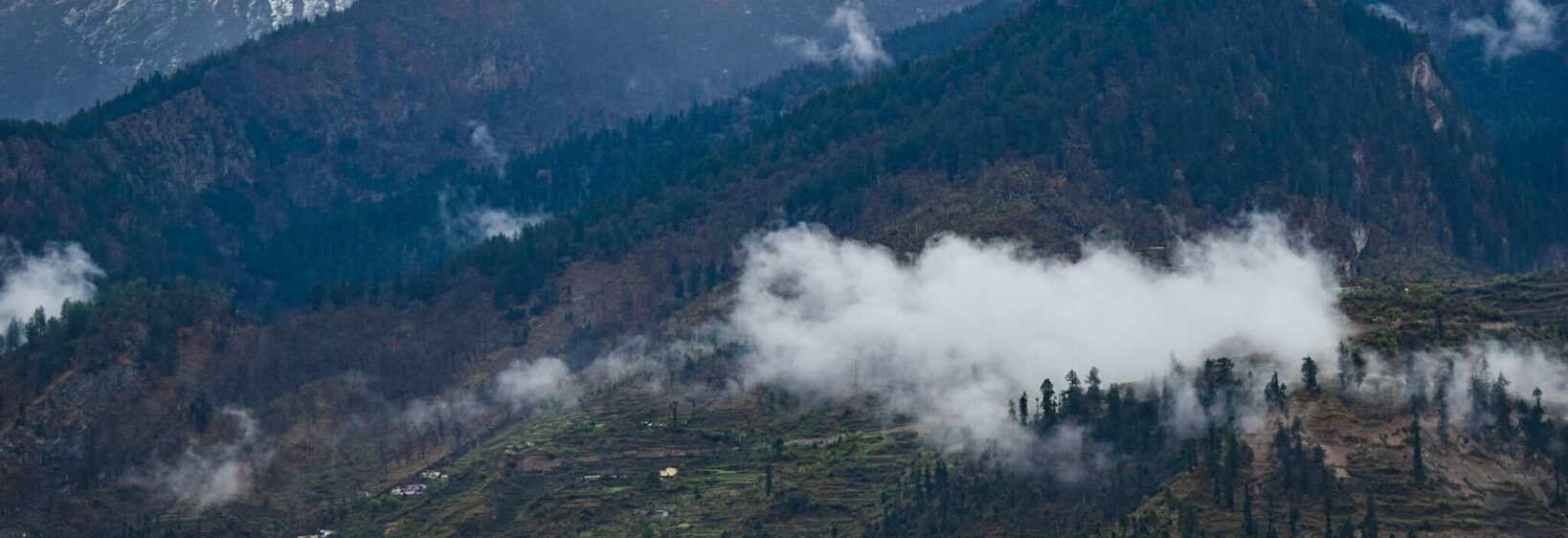
The surrounding hills provide a strong visual setting for photography. Early morning light can reveal ridgelines and cultivated slopes, while late afternoon brings warmer tones to the stone. A wide-angle lens is useful for landscape views, and a standard lens can capture masonry details, village architecture, and forest textures.
Reaching Vijaypur Fort
Travel plans depend on which Vijaypur location is being used as the reference point. Bageshwar and nearby Kumaoni towns are practical bases for exploring the wider region, but the final stretch may involve a local road followed by a walk. Public transport is more reliable on main routes than on the smaller roads leading towards scattered settlements.
A private taxi or locally hired vehicle can make the journey easier, especially for families and photographers carrying equipment. Ask the driver to confirm the walking point before starting. Mobile coverage may be inconsistent, so download maps and save offline directions in advance.
| Planning Detail | Practical Guidance |
|---|---|
| Best season | March to June and September to November |
| Time required | Half a day, including the approach walk |
| Footwear | Shoes with firm grip |
| Nearby experience | Village walks, Himalayan viewpoints, and local food |
| Access caution | Confirm the route locally before departure |
When To Visit
Spring is pleasant, with clear days, fresh vegetation, and comfortable temperatures for walking. Autumn often offers crisp visibility after the rains, making it a good period for mountain photography. Winter can be peaceful, but mornings may be cold and some paths can become slippery.
The monsoon brings lush scenery but also mud, falling rocks, and damaged rural roads. Avoid climbing unstable walls or entering partially collapsed rooms at any time. A historic ruin should be enjoyed from safe ground, without removing stones or disturbing the site.
Culture Around The Ruins
A visit becomes more meaningful when paired with an understanding of Kumaoni village life. Traditional homes, agricultural terraces, folk songs, temples, and local dialects reveal how communities have adapted to the mountain environment over generations. Ask permission before photographing people, private homes, or religious spaces.
Food and local products can also add depth to the journey. Visitors interested in rural livelihoods may enjoy reading about honey making in Uttarakhand, a tradition that reflects the close relationship between households, forests, and seasonal resources.
Responsible Heritage Travel
Vijaypur Fort has value precisely because it remains quiet and relatively undisturbed. Careless tourism could damage fragile walls and change the character of the surrounding village. Keep the visit low-impact and treat the area as a living cultural landscape rather than an abandoned photo prop.
Useful habits include:
- Carry drinking water, snacks, sun protection, and a small first-aid kit.
- Stay on established paths and avoid climbing unstable masonry.
- Take all plastic and food waste back with you.
- Ask locals before entering fields, courtyards, or shrine areas.
- Hire a local guide when available to support community knowledge.
Building A Kumaon Itinerary
The fort can fit well into a broader Kumaon journey featuring hill markets, village trails, temples, viewpoints, and regional food. Allow extra time rather than treating the site as a quick stop between major destinations. The slower pace often reveals details that a hurried visit would miss.
For route ideas, seasonal travel notes, and photo-led stories from Uttarakhand, browse UK Photos Gallery before planning your trip. Combine the fort with another nearby attraction, stay at a locally run guesthouse when possible, and keep your schedule flexible for mountain weather.
Vijaypur Fort offers a modest but memorable encounter with Uttarakhand’s past. Visit respectfully, record what you see without disturbing it, and share accurate details with fellow travellers so this lesser-known historic site remains valued rather than overlooked.