The Pithoragarh Valley: A Photographer’s Paradise
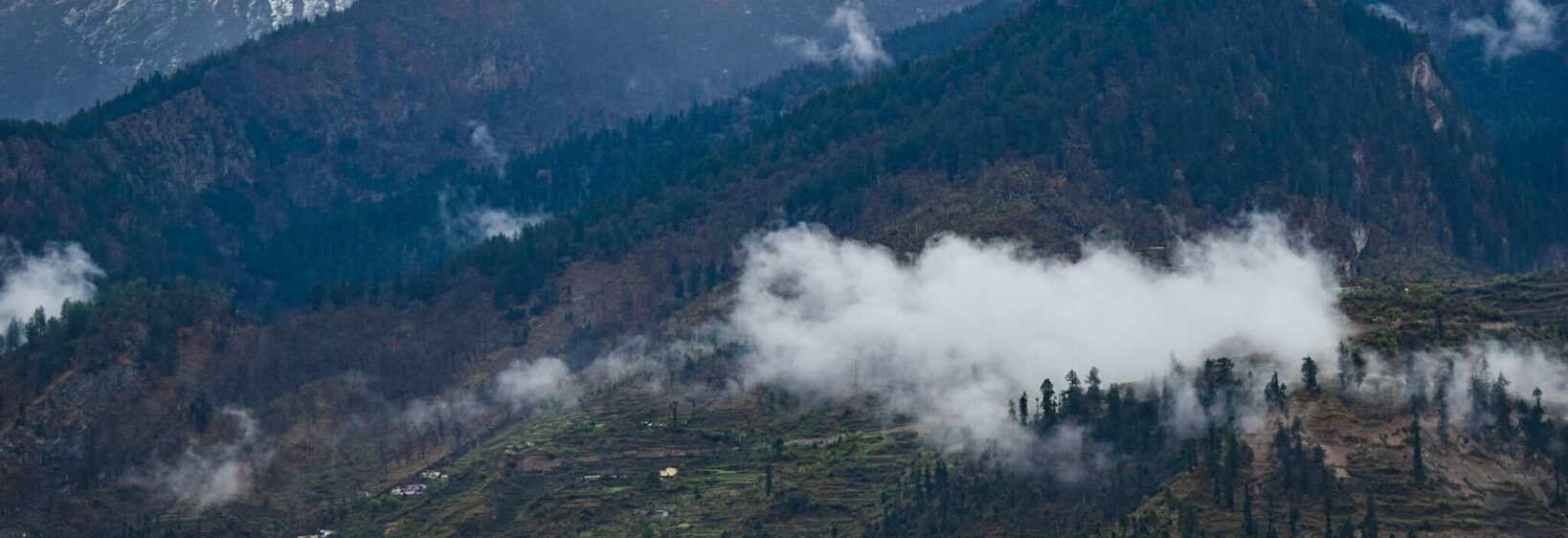
Pithoragarh Valley unfolds across the eastern Kumaon Himalaya in a changing display of forested ridges, terraced fields, alpine peaks, and old hill settlements. Its dramatic landscapes are framed by the Panchachuli range, while the Soar Valley around Pithoragarh offers a rich mix of mountain scenery and everyday life.
For photographers, the region rewards patience. Morning mist may settle over the valley floor, temple bells can echo through quiet lanes, and late afternoon light can turn distant snow peaks rose-gold. The most memorable images often come from observing local rhythms rather than rushing between viewpoints.
Landscapes Framed By Himalayan Light
The valley’s broad viewpoints reveal layers of blue ridges fading toward the horizon. Dawn is especially effective near Pithoragarh town, where low clouds collect beneath the hills and create a soft separation between villages, forests, and mountains. A telephoto lens can isolate faraway paths, rooftops, and grazing animals within the larger landscape.
The Panchachuli peaks are among the region’s most powerful subjects when weather permits. Their sharp, snow-covered forms appear beyond green foothills, creating a natural contrast that works well in both panoramic and tightly composed photographs. Carry a polarizing filter for foliage and distant ridges, but avoid over-darkening the sky.
Villages, Temples, And Everyday Frames
Pithoragarh is more than a destination for mountain panoramas. Its villages feature slate-roofed homes, carved wooden details, stone paths, and terraced farms that change colour with the seasons. Women working in fields, children walking home from school, and cattle resting beside village walls can add human scale to a travel story.
Respectful photography is essential around homes, religious sites, and ceremonies. Ask before making portraits, avoid interrupting worship, and spend time learning about the setting. Temples such as Thal Kedar and nearby shrines offer opportunities to photograph bells, incense, painted doors, and devotional details without reducing sacred spaces to visual decoration.
Scenic Routes Around The Soar Valley
Road journeys through the district create a sequence of changing viewpoints. The route toward Munsiyari is particularly rewarding, with deep valleys, forested slopes, waterfalls, and glimpses of high Himalayan terrain. Dharchula and the Kali River region add a different character, shaped by borderland culture, steep mountains, and narrow riverside settlements.
Weather can alter travel times quickly, especially during the monsoon and winter. Build flexibility into the itinerary and allow extra time for roadside stops. Travellers combining this eastern Kumaon journey with other Uttarakhand experiences can also browse riverside camping near Rishikesh for ideas in a very different Himalayan landscape.
Best Subjects By Season
Each season changes the photographic language of Pithoragarh Valley. Spring brings rhododendron blossoms and fresh green slopes, while summer often provides clearer access to higher routes. Monsoon clouds create moody compositions, though rain can obscure the mountains and make roads difficult.
Autumn is widely valued for clear air and stronger mountain visibility. Winter can produce crisp light, bare branches, and snow on elevated ridges, but early sunsets require careful planning. The following guide can help match your creative priorities with the most suitable period.
| Season | Strongest Subjects | Useful Considerations |
|---|---|---|
| Spring | Rhododendrons, green terraces, village life | Pleasant temperatures and soft colour |
| Summer | Forest trails, waterfalls, highland routes | Carry rain protection and check road conditions |
| Monsoon | Mist, dramatic clouds, saturated foliage | Visibility and transport may be unpredictable |
| Autumn | Snow peaks, clear ridgelines, warm sunsets | Excellent clarity, with cooler evenings |
| Winter | Frost, quiet villages, stark mountain forms | Short daylight and cold conditions |
Practical Planning For Photographers
A lightweight camera bag is more useful than an overloaded kit on steep paths. A wide-angle lens suits valley views and architecture, while a mid-range zoom works well for candid details and compressed mountain layers. Extra batteries, memory cards, a rain cover, and a sturdy tripod are valuable in remote areas where shops and charging points may be limited.
Accommodation ranges from town hotels and homestays to basic lodges near trekking routes. Start early for sunrise locations, keep offline maps available, and confirm transport before heading toward less-connected villages. Local drivers and residents can often identify seasonal viewpoints that are absent from standard travel maps.
Responsible Travel And Visual Storytelling
Photography can support local tourism when it presents communities with context and dignity. Spend locally, choose locally operated accommodation where possible, and avoid staging scenes that misrepresent village life. Carry reusable water bottles and keep plastic away from trails, rivers, and temple grounds.
A strong photo essay might connect landscape with culture: a terraced field at first light, a close view of traditional architecture, a walking trail disappearing into oak forest, and a final frame of the Panchachuli range. For more destination ideas, seasonal travel notes, and visual stories from across the state, explore Uttarakhand travel stories.
Create A Personal Valley Photo Story
Give yourself time to revisit a viewpoint in different light instead of collecting only quick snapshots. Record the location, weather, lens, and time of day; these notes can reveal patterns and help shape a more intentional portfolio.
Plan a route that balances famous Himalayan scenery with quiet village encounters, then travel with patience and respect. The photographs you bring home will be strongest when they preserve both the grandeur of the mountains and the character of the people who call the valley home.