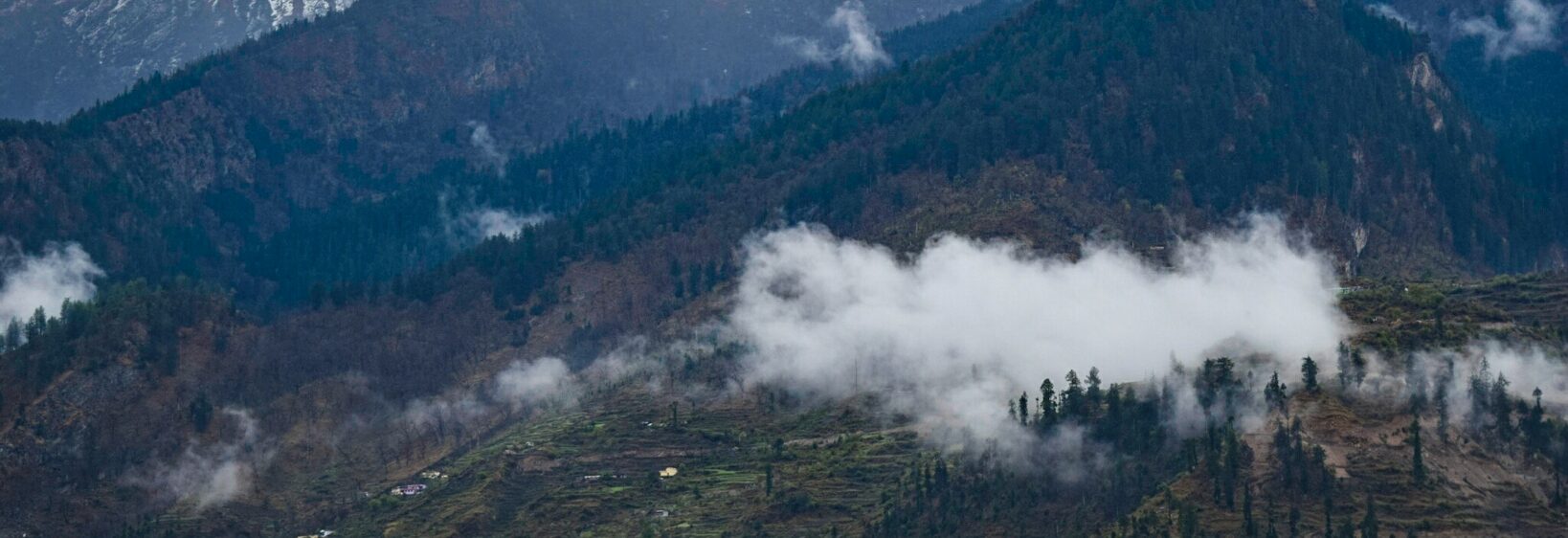
The Benog Wildlife Sanctuary: Mussoorie’s wild oak forests
Perched in Tehri Garhwal between Mussoorie and Barkot, the Benog Wildlife Sanctuary protects a cool, oak-covered hillside where Himalayan birds are the main attraction. The reserve is easy to combine with a Mussoorie stay, yet its forest paths and Churdhar lookout feel removed from the busy lanes of the hill station.
For Australian visitors from Sydney or Melbourne, March to May brings Himalayan spring while home moves into autumn. Cool mornings, colourful plumage and clear mountain air reward an early start, making a dawn visit more rewarding than a rushed midday stop.
Forests shaped by altitude and season
The forest sits roughly between 2,000 and 3,000 metres, with kafal oak, other broadleaf trees, deodar pine and high-altitude grassland. Oak woodland creates a shaded, insect-rich habitat, while openings and forest edges provide feeding grounds for pheasants and ground birds. The mixture of trees also gives the landscape the layered, textured character prized by Uttarakhand photographers.
Seasons here run opposite much of Australia’s southern calendar: spring bird activity peaks from March into May, and monsoon rain can complicate access from late June through September. October offers clearer air after the rains, although some birds are less conspicuous. Check local conditions rather than relying on a fixed itinerary.
A birder’s corner of the Himalaya
Possible sightings include the Himalayan monal, koklass pheasant, chikor, cheer pheasant and the elusive Himalayan quail, alongside woodpeckers, flycatchers and rosefinches. None comes with a guarantee; forest birds often announce themselves first through calls. Binoculars, patience and an experienced local guide can make the difference between seeing one bird and building a rich list.
Many travellers browse the wider region through UK Photos Gallery, which pairs Uttarakhand scenery with practical travel context. Their gallery approach suits Benog well: watch the changing light across oak trunks, but keep the camera or phone low so the birds remain undisturbed.
Reaching the sanctuary from Mussoorie
The usual road approach winds through Barkot or Chakrata, with conditions changing quickly beyond the main roads. Curves, narrow sections, livestock and occasional landslide debris make patience essential. Drivers coming from Australia will recognise left-hand traffic, yet should not assume Australian road conditions apply on these steep Himalayan routes.
Benog access is governed by current forest-department directions, so confirm the permitted entry point and viewing arrangements before departure. For comparison on Himalayan driving, the guide to Almora–Jageshwar forest roads shows how autumn colour, weather and road timing shape a mountain itinerary.
Watching wildlife without disturbing it
The sanctuary rewards slow observation rather than a search for big-game drama. Deer and wild boar may cross the woods, while pheasants work leaf litter and butterflies hover around flowering shrubs. The Churdhar viewpoint offers a sweeping outlook over wooded slopes and is a popular sunset stop within the broader Benog landscape.
Stay on marked areas, avoid calls or playback that lure birds from cover, and leave plants, nests and insects undisturbed. Keep food secured, carry out all rubbish and follow instructions from forest staff. Binoculars are more useful than chasing a distant animal through the trees.
Local food and Australian market instincts
Roadside shops in Barkot, Chakrata and Mussoorie serve simple hill-station fare: rajma, rice, roti, potatoes, squash and seasonal greens, often accompanied by milky tea. That emphasis on regional produce will feel familiar to regulars at Melbourne or Sydney growers’ markets, although payment methods differ. Carry small-denomination rupees, since card acceptance and connectivity can be inconsistent outside larger towns.
Market-focused travellers can find another useful parallel in Central Florida farmers markets, where meeting growers and tasting local produce shape the visit. Here, the comparable exchange is a conversation with shopkeepers rather than a formal food hall: ask before photographing people, and treat hospitality as part of the destination.
Stays, weather and mountain comfort
Most visitors stay in Mussoorie, Barkot or near Dhanaulti and make Benog a day trip, or choose a forest-edge guesthouse for a quieter stay. Book ahead during the March-to-May window and the autumn colour season. Rooms can be basic, so check heating, hot water and parking before confirming a booking.
Layer clothing is essential: mornings are chilly, midday sun can feel strong, and rain arrives quickly. A waterproof outer layer, sturdy footwear and a headlamp suit early birdwatching, while a light daypack keeps hands free for steady viewing.
Practical choices for visiting Benog
Entry requirements, fees and access rules can change, so check with Uttarakhand’s forest department or a reputable local operator. Also consult Australia’s Smartraveller advice before departure, carry photo identification and keep emergency details accessible offline.
- Travel in spring or autumn: March to May favours bird activity; October to November suits clear post-monsoon views and forest colour.
- Start near sunrise: Cool, quiet conditions improve the odds of seeing pheasants and other forest birds.
- Bring proper binoculars: A comfortable pair and a modest camera support better observation than digital zoom.
- Use a local driver: Familiarity with mountain roads makes the journey calmer and safer, especially after rain.
- Carry rupees and water: Shops may need cash, and a refillable bottle reduces litter in fragile habitats.
- Respect the reserve: Follow marked paths, avoid feeding wildlife and confirm whether camping is permitted at your chosen site.
A well-planned visit suits travellers who prefer depth over checklists: a short forest walk, a patient birdwatching session and time to enjoy the oak-covered hills. From Sydney or Melbourne, allowing an extra night near the sanctuary also reduces pressure on the road and improves the chance of seeing wildlife in changing light.