Haat Kalika Temple: sunset views and sacred legends
The Haat Kalika Temple in Gangolihat stands on a wooded rise in Pithoragarh district, combining a colourful devotional setting with broad views across the valley and distant Himalayan ridges. The walk up is worthwhile at almost any hour.
The best-known reward is a sunset shifting from gold to rose as cloud gathers over the mountains. Yet this is an active place of worship, not simply a scenic lookout. Visitors who approach quietly and allow time for prayer encounter a richer side of Gangolihat than a quick photograph can show.
A hilltop window onto the Himalaya
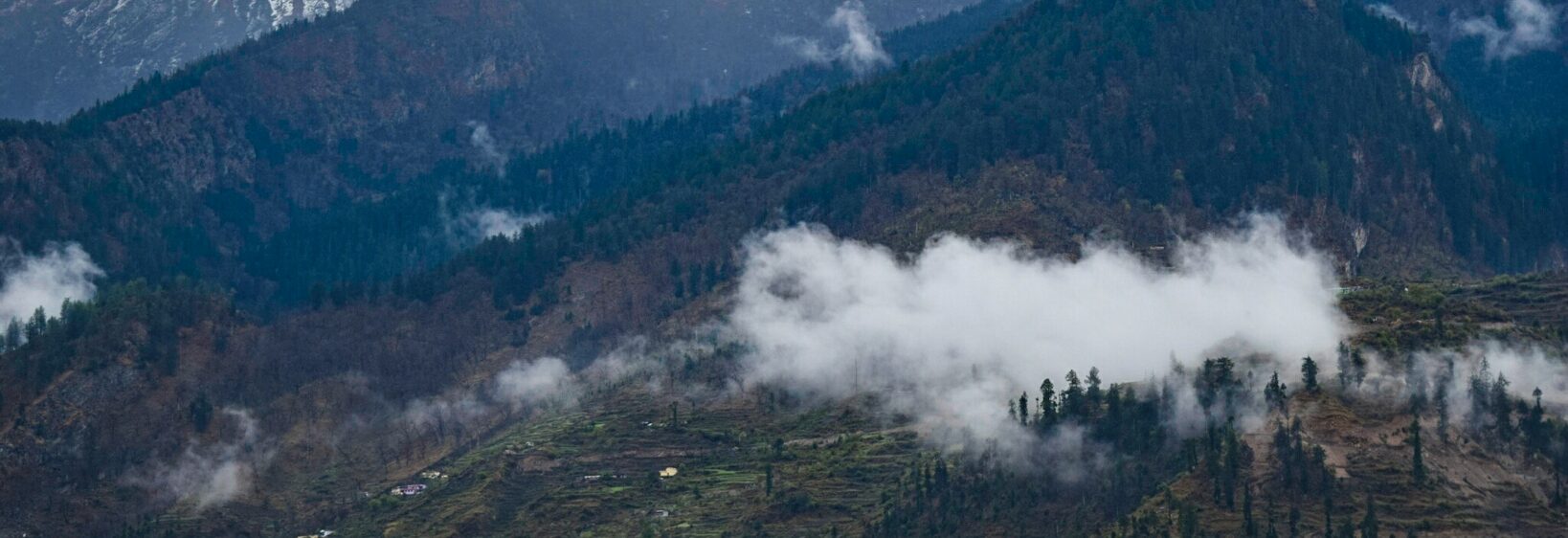
The temple occupies a wooded rise above town. A short approach through trees and village buildings opens gradually to the Pithoragarh valley, nearby folds of Kumaon and, on clear days, higher Himalayan peaks. Each turn in the path reveals another strip of landscape.
Morning begins cool and misty, with hills layered in soft blue-grey. Late afternoon brings sharper colour and valley haze. Monsoon clouds transform the view, while clear winter days favour long sightlines towards the snow line. Choosing the best direction and season benefits from local advice.
Sati, Shakti and the temple’s sacred name
Local tradition connects Haat Kalika with Sati, whose body was divided in a prominent Hindu myth. The term hast or hat means foot or toe, while Kalika denotes a fierce aspect of the divine feminine. Devotees describe the shrine as a Shakti Peetha, one of the places associated with Sati’s fallen parts.
Accounts differ between traditions, so the story is best treated as living sacred history. Meaning comes through worship as well as legend: bells sound, lamps burn, flowers and water are offered, and pilgrims climb for darshan, a view of the deity. Navratri can bring dense gatherings and devotional activity.
Planning around sunset and sunrise
Arrive an hour or two before sunset to settle into the temple rather than rush at the last moment. The valley catches amber light, far ridges turn pink and violet, and temple lamps stand out as the scene darkens. A torch and steady footwear matter for the walk back.
European mountain transport offers a parallel in the Nordkette cableway history, which traces how rising altitude changes the view. Gangolihat’s ascent is slower and more intimate, yet the anticipation builds as the panorama opens.
| Visit window | Light and atmosphere | Best suited to | Practical note |
|---|---|---|---|
| Early morning | Mist, quiet lanes and cool mountain air | Walkers and visitors wanting space | Start before the midday bustle |
| Late afternoon | Warm side light and gathering cloud colour | Families and first-time visitors | Carry water and arrive early |
| Sunset | Pink ridges, lit lamps and a busy shrine | Pilgrims and photographers | Keep flash off and follow photo etiquette |
| Blue hour | Deep blue valleys and illuminated temple | A calm final stop | Use a torch on the descent |
Reaching Gangolihat from Australian cities
Gangolihat is a long journey from Delhi, so Australian travellers combine an international flight with a domestic connection, train or road transfer towards Kathgodam, Pantnagar or Pithoragarh. Shared jeeps and local buses cover the final stages. Metric distances and left-side travel are familiar, but road junctions demand more attention than in Australia.
Nearby Dwaraghat offers a different Kumaoni landscape alongside the temple. This Dwaraghat Lake picnic guide explains its wooded setting and visitor use, making it a useful companion to a Gangolihat overnight stay rather than a hurried extra.
Altitude, monsoon and what to carry
At roughly 1,350 metres, Gangolihat can be cool after sunset even when lower districts are warm. This differs from Sydney’s mild coastal winter and Brisbane’s subtropical humidity. A fleece, closed shoes and rain shell are more useful than a single heavy outfit.
Monsoon rain can leave steps and lanes slippery and disrupt hill roads. Check transport conditions, download maps for intermittent mobile coverage and allow extra travel time. Filtered or bottled water is essential; clear mountain air is not safe untreated drinking water.
Markets, meals and local customs
Pithoragarh’s local market shows everyday Kumaoni life and offers snacks for the climb. Vendors sell vegetables, fruit and provisions. Carry rupees in small notes, since UPI is useful but not universal. This differs from Sydney and Melbourne, where contactless cards often work almost everywhere.
Bargain gently and respect displayed prices; traveller-market haggling differs from the fixed-price culture of many Melbourne shops. Meals are commonly vegetarian: thali, dal, rice, roti and chai suit the journey, while alcohol availability varies. Remove shoes where requested, dress modestly and ask before photographing worshippers.
A respectful and unhurried visit plan
A calm visit starts with the Gangolihat market, a warm drink and time to find the approach before afternoon crowds. Staying overnight makes sunrise possible and avoids unfamiliar roads after dark. It also allows time to hear the bells and watch evening aarti without treating worshippers as scenery.
Keep the itinerary simple enough to respond to weather, traffic or a festival day. These details make the visit comfortable and culturally considerate:
- Reach the hill 60–90 minutes before sunset and stay briefly after for the lamps.
- Bring a warm layer, rain cover, torch, water, offline maps and small cash.
- Ask before close portraits, recording ceremonies or using flash.
- Stay overnight to enjoy the temple beyond the busiest sunset window.