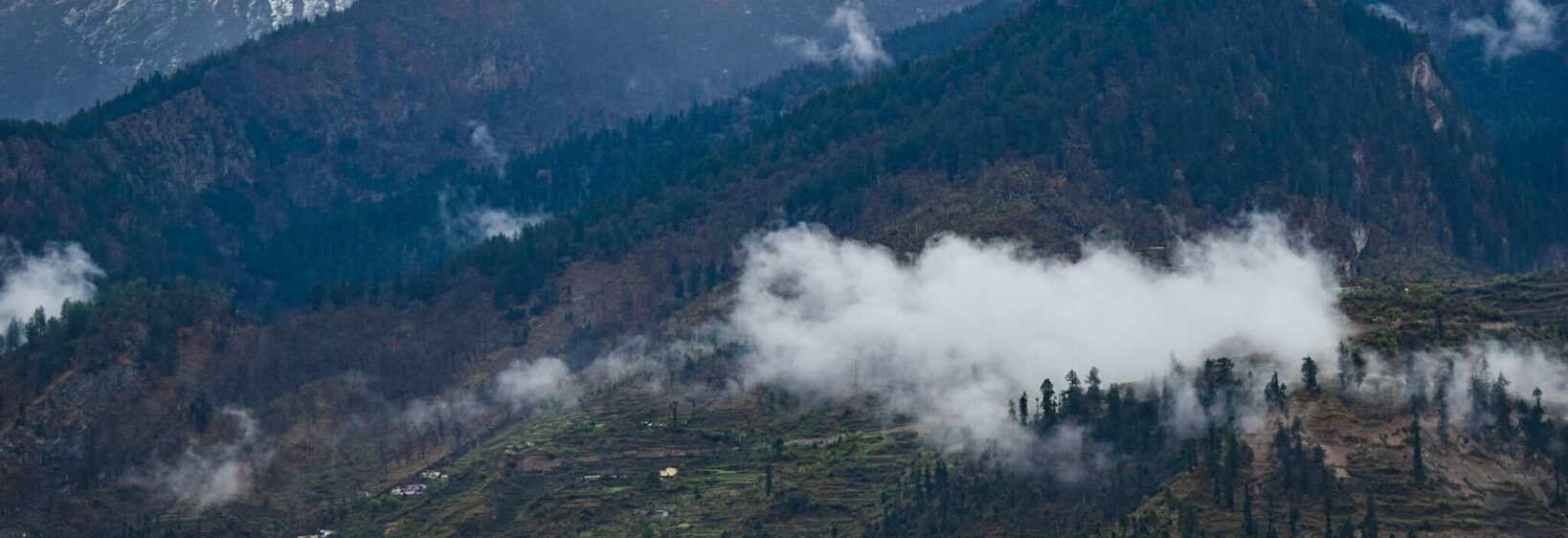
Local Legends Of The Nanda Devi: Myths And Mountains
In Uttarakhand, mountains are more than dramatic landscapes. They are living presences woven into village memory, seasonal festivals, pilgrimage routes, songs, and everyday prayers. Among these sacred peaks, Nanda Devi holds a special place as a goddess, protector, daughter, and mountain queen.
The stories surrounding her vary from valley to valley, yet many share themes of devotion, separation, return, and respect for the high Himalaya. They also reveal how local communities understand weather, pastures, forests, rivers, and the difficult journeys connecting remote settlements.
For travellers, learning these legends adds meaning to a visit. A trail toward a temple, meadow, or mountain pass becomes part of a much older cultural landscape shaped by Garhwali and Kumaoni traditions.
Nanda Devi As Daughter And Goddess
Nanda is widely revered as a form of Parvati, the consort of Lord Shiva. In many Uttarakhand traditions, however, she is also imagined as a beloved daughter of the region. This intimate relationship explains why devotees speak of her with warmth and affection rather than distant reverence.
Her departure for her husband’s home in the high mountains is remembered as both sacred and emotional. The tale reflects the experience of daughters leaving their natal villages after marriage, turning a divine story into a deeply human expression of family bonds.
The Journey Of The Nanda Raj Jat
The Nanda Raj Jat is one of the most important pilgrimages associated with the goddess. Traditionally held at long intervals, the procession travels through difficult terrain in Chamoli and nearby Himalayan regions, carrying ritual objects and honouring Nanda’s symbolic journey toward her mountain abode.
The pilgrimage includes songs, offerings, woollen garments, and community rituals. Its route is shaped by steep paths, forests, alpine meadows, and changing weather. Participants do not treat the journey as ordinary trekking; it is an act of service and remembrance requiring endurance, discipline, and collective faith.
Sacred Peaks And Mountain Boundaries
Nanda Devi is both a goddess and the name of one of India’s most celebrated mountain massifs. The inner sanctuary around the peak has long been regarded as a protected sacred realm. Local beliefs, difficult access, and conservation rules have all contributed to its aura of mystery.
The surrounding landscape includes glaciers, high passes, rare plants, and wildlife adapted to severe conditions. Travellers interested in Himalayan scenery can find a gentler version of this alpine beauty in nearby meadows; a Bulbuley Meadow guide offers useful context on wildflowers and mountain views without reducing the landscape to scenery alone.
Folk Songs, Rituals, And Village Memory
Nanda Devi legends survive through oral traditions as much as through written accounts. Women’s songs, festival performances, temple ceremonies, and family stories preserve local interpretations of the goddess. The language may differ between Garhwal and Kumaon, but the emotional themes remain recognisable.
During festivals, images of Nanda and Sunanda are often carried in ceremonial processions. Homes and shrines may be decorated with flowers, cloth, lamps, and ritual designs. These customs show how mythology remains part of present-day life rather than a story separated from the community.
Reading The Landscape Through Legend
Traditional stories often encode practical knowledge. A tale about a goddess crossing a pass may preserve memories of an old route. A forbidden grove may reflect the protection of water sources or forests. Seasonal rituals can also correspond with agricultural cycles, migration between villages, and the arrival of monsoon weather.
| Cultural element | What it represents | Where visitors may encounter it |
|---|---|---|
| Nanda Devi worship | Protection, family bonds, and sacred identity | Village temples and festivals |
| Nanda Raj Jat | Pilgrimage, endurance, and communal devotion | Chamoli and adjoining Himalayan routes |
| Alpine meadows | Sacred highland spaces and seasonal grazing | Trekking areas near mountain valleys |
| Folk songs | Oral history and emotional memory | Community gatherings and religious events |
| Mountain rituals | Respect for nature and local continuity | Shrines, fairs, and household ceremonies |
Travelling With Respect
A visit to Nanda Devi country should be approached with cultural sensitivity. Temples and sacred sites may have rules about photography, clothing, entry, and offerings. Asking permission before photographing people or rituals is a simple way to show respect.
Visitors should also remember that high-altitude environments are fragile. Carrying back waste, staying on established paths, avoiding loud behaviour near shrines, and choosing local guides help protect both the landscape and the communities whose traditions give it meaning.
Useful habits for a culturally responsible journey include:
- Learn a few greetings in Garhwali or Kumaoni before travelling.
- Hire local guides familiar with routes, weather, and sacred customs.
- Dress modestly near temples, village ceremonies, and pilgrimage sites.
- Avoid collecting flowers, stones, plants, or other natural objects.
- Support locally owned homestays, transport providers, and craft sellers.
Nanda Devi’s legends invite visitors to see Uttarakhand through more than spectacular photographs. They connect snow peaks with family memory, pilgrimage paths with prayer, and alpine wilderness with responsibility.
Plan a thoughtful journey through the Nanda Devi region, listen to local stories, and let the mountains be experienced as sacred cultural landscapes as well as extraordinary places to explore.