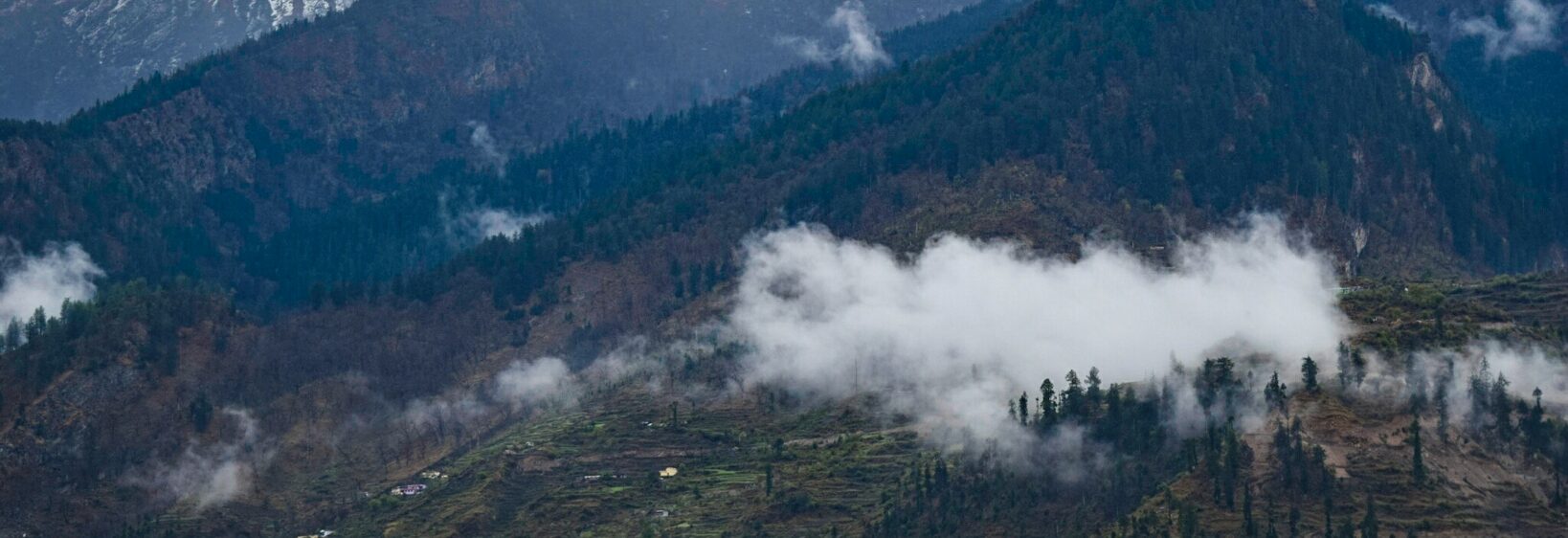
Tehri Dam boating and the villages beneath the lake
Tehri Dam is one of Uttarakhand’s most striking travel destinations, where a vast mountain reservoir carries stories of an older landscape below the water. The lake offers boating, scenic viewpoints and water-based activities, while the surrounding hills reveal the scale of the engineering project and the communities it changed.
For Australian visitors, the experience combines Himalayan scenery with a serious lesson in local history. A traveller accustomed to weekend boating near Brisbane, Perth or Melbourne will recognise the appeal of open water, yet Tehri Lake has a deeper cultural meaning shaped by relocation, pilgrimage routes and the disappearance of old Tehri town.
Where the dam stands
The dam was built on the Bhagirathi River near the meeting point of the Bhagirathi and Bhilangana valleys. Rising dramatically between steep ridges, it forms one of India’s largest artificial lakes and supplies hydroelectric power, irrigation and drinking water to several regions.
The present-day destination is usually approached from New Tehri, Chamba, Rishikesh or Mussoorie. Roads are winding, and journey times can change with traffic, landslides, roadworks and monsoon weather. Travellers coming from Sydney or Adelaide should allow more time than a standard map estimate suggests, particularly when a route crosses several mountain passes.
Boating across Tehri Lake
Reservoir boating is the main attraction for many visitors. Depending on operating conditions, travellers may find speedboats, jet skis, banana boats, kayaking and quieter sightseeing rides. The wide blue water contrasts with forested slopes, making early morning and late afternoon especially appealing for photography.
Boat services can vary by season, weather and local administration. Life jackets should be worn throughout a ride, even when the water appears calm. Australian visitors may be used to state-based boating rules requiring approved personal flotation devices, and the same practical caution is valuable here: listen to the operator, keep phones protected and avoid standing in a moving boat.
The old town beneath the water
The reservoir covers the former town of Tehri and nearby villages. Residents were relocated as the dam project progressed, and streets, homes, farms and familiar community spaces disappeared beneath the rising water. This history is central to the destination, rather than a minor detail behind the recreational activities.
The submerged settlement is remembered through family stories, photographs and accounts of displacement. Some former residents rebuilt their lives in New Tehri and other locations, while temples and cultural memories continued in new settings. Visitors should treat the lake as a place of remembrance as well as a scenic attraction.
A changing Himalayan landscape
The dam transformed local geography and altered the relationship between settlements, rivers and transport routes. A journey that once followed the old valley now passes through a landscape defined by the reservoir, new roads and relocated communities. Viewpoints around the lake often show how sharply the water cuts into the surrounding mountains.
The region also reflects wider debates about development, energy security, seismic risk and environmental change. Uttarakhand lies in an earthquake-prone Himalayan zone, so the project has attracted public discussion for decades. Responsible travel means avoiding careless claims, respecting local residents and recognising that large infrastructure projects bring benefits and costs together.
When to visit and what to carry
Spring and autumn usually provide comfortable conditions for sightseeing, with clearer mountain views than during the wet monsoon months. Summer can be busy, while winter mornings may feel cold beside the water. Rain can affect roads and boating schedules, so checking current local information before departure is sensible.
Pack sun protection, water, light layers and footwear with a reliable grip. Australians who routinely carry sunscreen for coastal walks in Perth or Queensland will find it equally useful at altitude, where bright light can feel intense. Cash may still be helpful for small purchases, although digital payments are increasingly common in towns and tourist areas.
Local food, markets and practical spending
New Tehri and nearby settlements offer simple restaurants, tea stalls and small markets rather than a resort-style waterfront economy. Visitors can look for regional meals, seasonal produce, woollens, local handicrafts and everyday provisions. Prices are generally more modest than in major Australian cities, though transport and organised activities can add significantly to a trip budget.
When paying online for accommodation or activities, use the provider’s official contact details and verify payment requests carefully. Travel planning should remain separate from unrelated promotional offers, including a PayID casino bonus guide, since unfamiliar links and urgent payment messages can create avoidable risks.
Photographing the reservoir respectfully
The lake, dam wall and surrounding ridges offer excellent subjects for landscape photography. Wide shots work well from elevated viewpoints, while close images of boat wakes, prayer flags, roadside stalls and changing light can tell a more personal story. A telephoto lens can help capture distant villages without intruding on private spaces.
Photography is most meaningful when it includes the people and memories connected with the landscape. Ask permission before photographing residents, workers or religious activity, and avoid treating submerged village history as a spectacle. For more visual travel inspiration about Uttarakhand’s destinations, temples and local life, browse the Uttarakhand photo guides.