A Trek to the Brahma Tal Lake: Off the Beaten Path
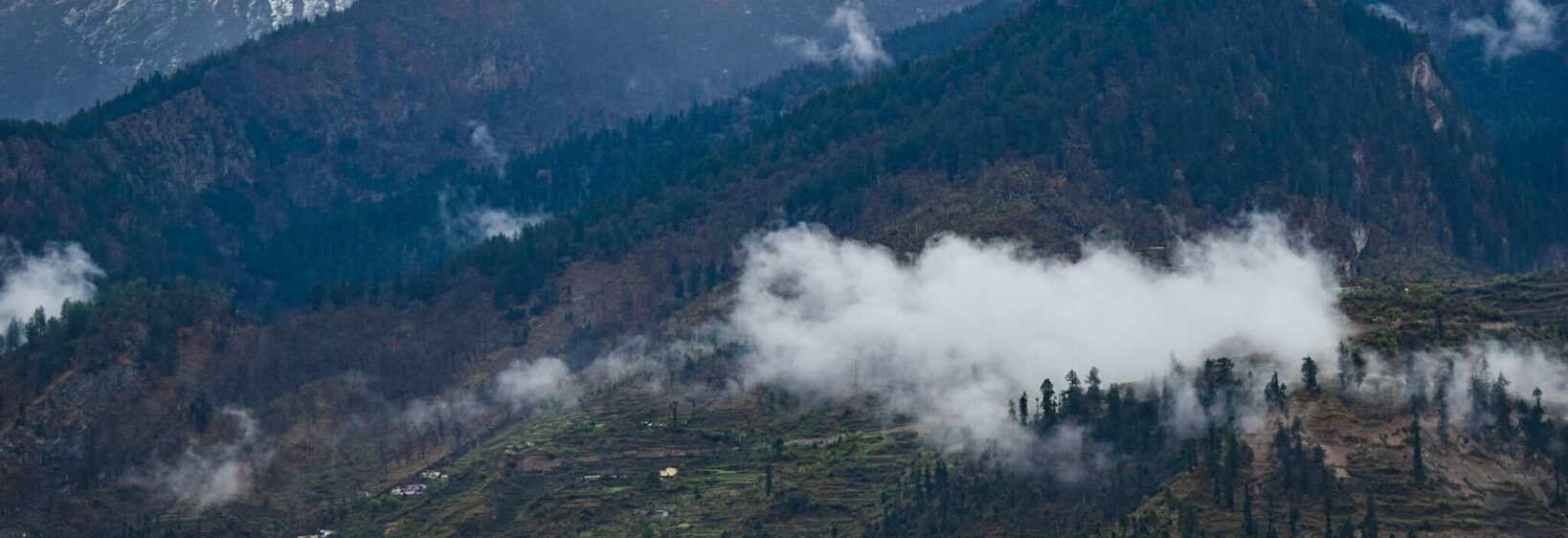
High in the Garhwal Himalaya, Brahma Tal offers a quieter alternative to Uttarakhand’s better-known walking routes. The trail passes through oak and rhododendron forests, open mountain meadows, and snow-covered ridges before reaching a peaceful alpine lake surrounded by dramatic peaks.
Often written as Brahmatal, the lake lies in the Chamoli region near Lohajung. Its remote setting, changing landscapes, and wide Himalayan views make it an appealing destination for walkers who want a genuine mountain experience rather than a crowded sightseeing trip.
The journey also reveals a slower side of Uttarakhand. Villages, shepherd paths, forest clearings, and traditional mountain hospitality become part of the adventure. Visitors interested in the state’s landscapes and local life can find more visual travel stories through Uttarakhand photo guides.
Where The Trail Begins
Most itineraries begin at Lohajung, a mountain settlement reached by road from Kathgodam, Rishikesh, or Dehradun. The final drive is long and winding, but it gradually replaces busy town scenery with pine slopes, deep valleys, and high ridgelines. Lohajung is usually the place to meet guides, arrange permits, and make final preparations.
The walking route commonly passes through Bekaltal before continuing towards Brahma Tal. Depending on the itinerary and weather, trekkers may camp near the forest lake and then climb towards higher meadows. Local guides are valuable here because snow can hide trail markers and fog can reduce visibility within minutes.
Forests, Meadows, And Mountain Views
The lower part of the route moves through dense forests of oak, cedar, and rhododendron. In spring, rhododendron flowers add bright colour to the trail, while autumn brings clearer skies and crisp golden foliage. The shaded paths are often cool even when the valleys below feel warm.
As the trail rises, the forest opens into broad bugyals, or Himalayan alpine meadows. These grassy spaces become covered in snow during winter, creating a completely different landscape. From exposed ridges, trekkers may see Trishul, Nanda Ghunti, and other Garhwal peaks when the weather remains clear.
The Lakeside Experience
Bekaltal is usually the first major camping landmark. Hidden among trees, it has a calm and secluded atmosphere that contrasts with the open slopes higher on the route. In cold months, its surface may freeze, and the surrounding forest can be coated with frost or snow.
Brahma Tal sits at a greater elevation and feels more spacious and stark. The lake is often edged by snow during the winter trekking season, with high ridges rising around it. Early morning is especially memorable: soft light reaches the mountains, the air is silent, and reflections may appear on the water when the wind is still.
| Trail Feature | Typical Experience |
|---|---|
| Starting point | Lohajung |
| Main route | Lohajung, Bekaltal, Brahma Tal, ridge sections |
| Approximate altitude | Around 12,000 feet at the lake |
| Best-known season | December to March for snow, April to May for flowers |
| Difficulty | Moderate, with steep sections and cold conditions |
| Usual duration | About 5 to 6 days, depending on the itinerary |
Choosing The Right Season
Winter is the most popular period for a snow trek to Brahma Tal. December through March can bring frozen lakes, white forest trails, and excellent views after a snowfall. However, heavy snow can slow progress, cover the path, and require gaiters, trekking poles, and careful route-finding.
Spring and early summer offer a gentler version of the journey. The trail becomes greener, wildflowers appear, and temperatures are easier for first-time trekkers. Autumn, especially after the monsoon, is also attractive because the atmosphere is generally clearer and the mountain panoramas can be extensive.
Preparing For A Remote Himalayan Walk
Although the route is often described as moderate, it should not be treated as a casual nature walk. Altitude, steep ascents, cold nights, and long walking days require reasonable fitness. Training with regular uphill walks, stair climbing, and day hikes several weeks before departure can make the experience more comfortable.
Carry layered clothing, waterproof footwear, gloves, a warm sleeping bag, sunglasses, sunscreen, personal medication, and a reusable water bottle. Mobile connectivity may be unreliable, so keep essential details offline and travel with a registered trekking operator or experienced local guide.
Practical Ways To Trek Responsibly
A remote landscape remains beautiful only when visitors protect it. Pack out wrappers, avoid disposable plastic, use established campsites, and keep a respectful distance from wildlife. The forests and alpine meadows are sensitive environments, particularly when snow melts and vegetation begins to recover.
These simple habits help preserve the route for villages, future trekkers, and the animals that depend on the high-altitude ecosystem:
- Carry reusable bottles and refill wherever safe water is available.
- Follow marked paths instead of widening informal trails.
- Avoid loud music and leave religious or natural sites undisturbed.
- Use local guides, porters, homestays, and transport providers where possible.
- Check weather forecasts and follow official safety instructions.
Brahma Tal rewards patience more than speed. The strongest memories often come from small moments: smoke rising from a camp kitchen, sunlight crossing a snowy ridge, or the sound of footsteps through an empty forest. Plan the route with care, travel responsibly, and set out prepared to experience one of Uttarakhand’s quieter highland treasures.