Naukuchiatal lake and the art of pedal boat photography
Naukuchiatal is a peaceful mountain lake near Bhimtal in Uttarakhand, known for its unusual nine-cornered shape, forested slopes and calm waters. The lake sits at roughly 1,220 metres above sea level, creating a cooler, greener escape from the busy plains and a rewarding stop on a Kumaon holiday.
For visitors from Australia, the destination offers a very different photography rhythm from a coastal walk in Sydney or a weekend around Melbourne’s markets. Instead of rushing between viewpoints, you can spend an hour on a pedal boat, watch reflections shift across the water and frame the surrounding hills from the centre of the lake.
The best images here are often simple: a boat cutting through blue-green water, a hillside mirrored beneath it, or a local bird resting beside the reeds. With a little planning around light, weather and boat movement, Naukuchiatal becomes both a scenic outing and an enjoyable photo experience.
Why the lake has nine corners
Local belief gives Naukuchiatal its name from the nine visible corners said to form the lake’s distinctive outline. The shoreline is not always easy to interpret from ground level, yet the irregular shape becomes more apparent from an elevated viewpoint or in photographs taken from the water.
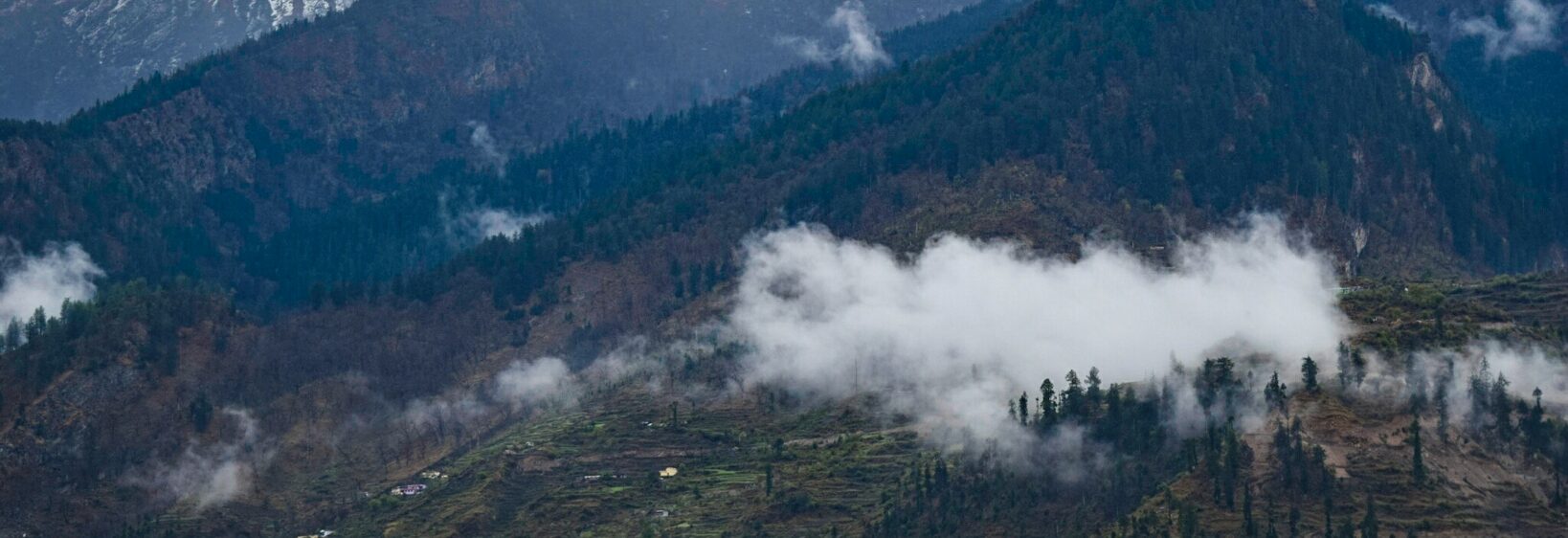
The lake is surrounded by oak, pine and other Himalayan vegetation. Morning mist can soften the hills, while clear afternoons reveal layered ridges and small settlements around the basin. Its quieter atmosphere makes it a useful alternative to busier Bhimtal, particularly for travellers who prefer nature photography and gentle boating.
Choosing the right time for photographs
Early morning usually provides the smoothest water and the least crowded conditions. Reflections of the hills are clearer before wind builds, and the light is softer than during the middle of the day. Late afternoon can also work well, especially when warm sunlight touches the slopes without flattening their texture.
The monsoon brings richer greenery but can produce cloud, rain and limited visibility. Winter mornings may be crisp and bright, although temperatures drop quickly after sunset. Travellers arriving from Brisbane, Perth or Adelaide should allow time to adjust to the altitude and carry a light layer even when the daytime forecast looks comfortable.
Making pedal boat images work
A pedal boat gives you a low, changing viewpoint that is difficult to achieve from the shore. Ask the boat operator to pause briefly in a safe area, then photograph towards the shoreline with the boat’s bow or a companion’s silhouette in the foreground. This adds scale and prevents the image from becoming a flat landscape.
Keep a phone or camera secured with a wrist strap, especially when passengers are pedalling or changing seats. A wide lens suits broad lake scenes, while a standard lens captures details such as ripples, oars, hillside houses and reflections. Waterproof pouches are practical in the same way they are for a day beside the Yarra or a harbour ferry.
Light, colour and composition
Reflections are strongest when the camera is held close to the waterline, but avoid leaning too far over the side of the boat. Use the edge of the vessel as a natural leading line, directing the viewer towards the hills or a small patch of open sky. A slower shutter speed can blur movement attractively, though a fast setting is safer for sharp people and birds.
The lake’s colours change with the weather. Green hills, blue water and pale cloud create a restrained palette, while a bright shawl, umbrella or boat canopy can provide a useful accent. Photographers who enjoy unusual natural surfaces may also appreciate these singing sand dunes, where texture and sound shape the travel experience differently.
What to see around Naukuchiatal
The surrounding area includes quiet roads, forest trails, small cafés and viewpoints overlooking the lake. Depending on the season, visitors may see paragliders in the wider Naukuchiatal region, though flights depend on weather, operator availability and safety conditions. A short walk away from the main boating area can reveal less crowded views.
Naukuchiatal also works well as part of a Kumaon circuit including Bhimtal, Sattal, Nainital and Ranikhet. Nature lovers can compare its single broad water body with Sattal’s linked lakes, where forest paths and birdwatching offer a different photographic mood.
Practical planning for Australian travellers
Carry Indian rupees for small cafés, local transport and boating, while keeping a payment card as a backup. Prices may vary by season and operator, so clarify the boat duration, life-jacket availability and total charge before boarding. Australian travellers should also check current Indian visa and entry requirements through official government channels before departure.
Australia’s GST-inclusive pricing habit does not necessarily apply to informal Indian services, so ask whether a quoted amount includes every fee. Australian Consumer Law generally will not provide the same protection for a purchase made directly from a small overseas operator. Travel insurance, saved booking details and copies of passport documents are sensible safeguards.
Respectful lake photography
Photograph people only with permission, particularly boat operators, families and children. Avoid blocking jetties or placing equipment where other visitors need to walk. Keep snacks, plastic packaging and camera-battery wrappers out of the water, as the lake’s quiet character depends on responsible tourism.
Pair the visit with nearby cultural sites and regional history rather than treating the lake as a quick backdrop. The Patal Rudreshwar temple complex offers a contrasting rock-cut setting, helping photographers build a broader visual record of Uttarakhand beyond scenic water and mountain views.