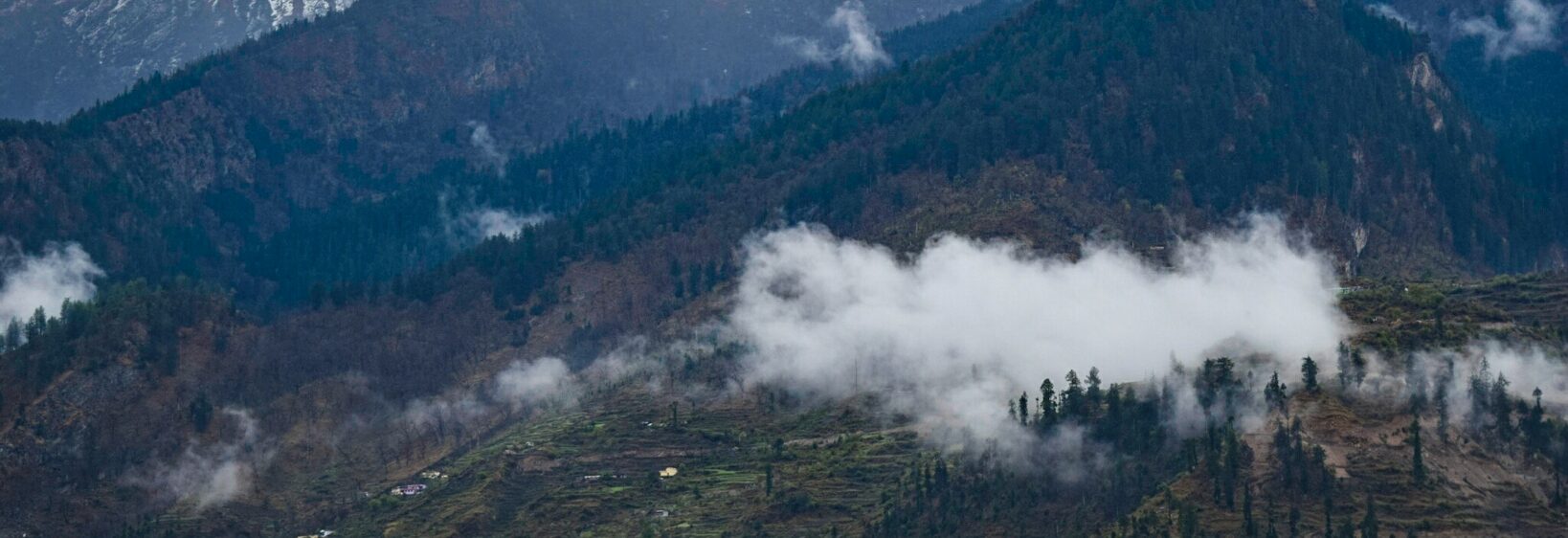
Adi Kailash trek: lake views and sacred peaks
In the far eastern Kumaon Himalaya, Adi Kailash rises above a landscape of high passes, glacial valleys and remote border villages. Revered as a sacred mountain associated with Lord Shiva, it offers a quieter pilgrimage and trekking experience than the better-known routes around Kedarnath or Badrinath.
The journey leads towards the Kuti Valley in Uttarakhand’s Pithoragarh district, where sharp ridges surround turquoise alpine lakes and windswept meadows. Parvati Kund, Jolingkong and the views towards Om Parvat are among the sights that make this region especially memorable for photographers.
This is not a casual sightseeing trip. Mountain roads are rough, distances are long and weather can change quickly. Travellers from Australia should allow extra days for permits, road delays and acclimatisation rather than trying to fit the expedition into a tightly timed holiday schedule.
A useful itinerary can include time in Kumaoni villages, local temples and lower-altitude towns before reaching the high country. Visitors who begin in Rishikesh may also enjoy the cultural history of the Beatles Ashram through this Rishikesh retrospective before travelling north-east.
Why this Himalayan journey stands apart
Adi Kailash is often called Chhota Kailash, or Little Kailash, because of its spiritual connection with Mount Kailash in Tibet. Pilgrims visit the mountain, Parvati Kund and nearby shrines as places of devotion, meditation and prayer. The atmosphere is generally calm, with far fewer visitors than Uttarakhand’s busiest pilgrimage centres.
The landscape changes dramatically along the approach. Forested slopes give way to bare rock, braided streams and high-altitude pasture. On clear mornings, the sacred peak appears above the valley in crisp light, while reflections on Parvati Kund create some of the most striking lake views in the region.
Route, villages and lake views
Most itineraries begin with travel from Dharchula or Pithoragarh towards Gunji, Nabi and Kuti. The road journey can be tiring, and sections may be affected by landslides, road construction or monsoon damage. Local drivers and guides are essential because route conditions can change from week to week.
Jolingkong is a significant base for excursions towards Adi Kailash and Parvati Kund. The surrounding countryside feels stark and immense, with prayer flags, high ridgelines and traditional stone houses adding cultural detail to the scenery. Photography is best in the early morning, when the air is clearer and the shadows define the peaks.
Permits, seasons and border-region rules
Because the trek takes place near the India–Tibet border, visitors need official permissions and identity documents. Requirements can vary according to nationality, route and current security regulations, so an experienced Uttarakhand operator should arrange the Inner Line Permit process and explain which documents are required.
The most practical travel windows are usually late spring to early summer and early autumn, when roads and trails are more accessible. The monsoon can bring landslides and cloud, while winter may close high routes with snow. Australians travelling during school holidays should book early, as vehicles, guides and basic accommodation are limited in remote areas.
Fitness and acclimatisation at altitude
The route combines long drives with walking at elevations where even fit travellers may feel breathless. A steady programme of walking, stair climbing and hill training in the weeks before departure can help. The aim is endurance rather than speed, since the best pace is slow, regular and comfortable.
Spend time at intermediate elevations before reaching the highest camps. Headaches, nausea, unusual tiredness or poor coordination should be taken seriously. Guides should be told immediately, and the itinerary should allow rest days or descent if symptoms worsen. Australian travel insurance should specifically cover trekking at the planned altitude and emergency evacuation.
Local culture and responsible travel
The villages around the route reflect Kumaoni and Bhotiya traditions, with distinctive architecture, woollen products, seasonal migration patterns and local food. Ask before photographing residents, homes or religious ceremonies. A respectful visitor learns a few simple greetings, follows temple customs and avoids treating sacred places as merely scenic backdrops.
Pack reusable containers and carry rubbish back to an organised collection point. Water sources may serve both households and livestock, so purification is important. Supporting local homestays, porters, drivers and small shops helps ensure that tourism benefits communities rather than concentrating all spending in larger towns.
Practical preparation for Australian travellers
Flights from Sydney, Melbourne, Brisbane or Perth usually involve a connection before reaching Delhi, Mumbai or another Indian gateway. From there, the trip continues by domestic flight or road towards Uttarakhand. Allowing a buffer day is wise, especially when an international arrival, mountain transfer and permit collection are part of the same plan.
Australian travellers may hear “arvo” back home, but in the Himalaya the daily rhythm is shaped by daylight, road conditions and prayer times. Carry some Indian rupees in smaller notes, as card payments and ATMs are unreliable in remote areas. Comparing package inclusions carefully also matters: some lower-priced tours exclude permits, meals, equipment, porter support or emergency transport.
For a small personal item, such as a scarf, pouch or gift for a travelling companion, browse thoughtful travel pieces before leaving Australia. Keep valuables minimal, use a waterproof day bag and choose clothing that can be layered as temperatures shift from warm valleys to freezing mountain mornings.
Essential items for the high country
A well-organised pack makes the journey safer and more comfortable. Prioritise warmth, sun protection and reliable water treatment rather than bringing unnecessary luggage.
- Layered thermal clothing, fleece and a waterproof outer shell
- Broken-in trekking shoes with strong grip, plus warm spare socks
- Sunglasses, sunscreen, lip balm, gloves and a sun hat
- Personal medicines, a basic first-aid kit and altitude advice from a doctor
- Headlamp, power bank, water bottles and offline copies of permits
Leave room for changing plans. A flexible attitude is as valuable as specialist equipment when a mountain road closes, a guide recommends a rest day or cloud hides the sacred summit. Adi Kailash rewards patience with silence, expansive views and a profound sense of place.