Exploring Binsar Wildlife Sanctuary Through Forest Trails
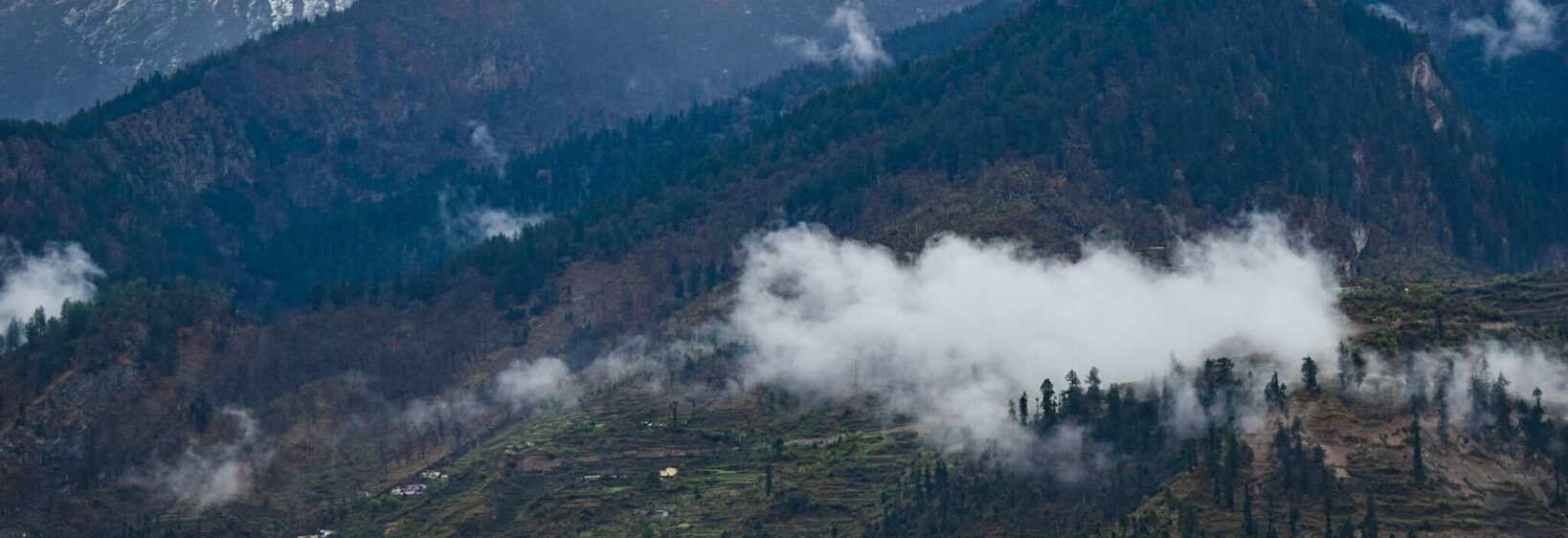
Binsar Wildlife Sanctuary offers a quiet view of Kumaon, where oak forests, mountain birds, and distant Himalayan peaks shape the experience. Located near Almora, this protected landscape is valued less for dramatic safari sightings and more for its peaceful trails, rich birdlife, and unhurried contact with nature.
The sanctuary covers forested ridges and slopes at elevations of roughly 2,400 metres and above. Clearings around Zero Point can reveal wide views toward the Greater Himalaya, while the shaded paths provide a closer look at moss, wildflowers, oak leaves, and the small movements of the forest floor.
For travellers building a broader Uttarakhand itinerary, the Uttarakhand travel stories on UK Photos Gallery offer useful context about mountain destinations, local culture, and scenic journeys across the state.
A Forest Mosaic In Kumaon
Binsar is especially known for its banj oak, rhododendron, and deodar forests. Oak stands hold moisture and create a cool environment, while rhododendrons add colour in spring. During the monsoon, ferns and moss become more visible along damp banks, and autumn brings clearer mountain views after the rains.
The forest changes subtly as a trail rises or bends around a ridge. Some stretches are deeply shaded, while others open onto grassy clearings used by birds and grazing animals. This variety makes even a short nature walk rewarding for photographers and travellers who enjoy observing details rather than covering long distances.
Wildlife Along The Trails
Binsar is home to Himalayan wildlife such as barking deer, goral, wild boar, porcupines, jungle cats, and foxes. Himalayan black bears and leopards also occur in the wider forest ecosystem, although visitors rarely see them. Their presence is a reminder that this is a protected habitat rather than an open-air zoo.
Birdwatching is one of the sanctuary’s strongest attractions. Species may include kalij pheasants, woodpeckers, magpies, barbets, flycatchers, and various tits and nuthatches. Early morning is the best time to hear calls and notice movement in the canopy. Binoculars, patience, and quiet footsteps are more useful than loud conversation or hurried walking.
Choosing A Trail And Season
The route toward Zero Point is among the most popular walks in the sanctuary. It leads through a forested setting to a viewpoint where, on a clear day, peaks such as Nanda Devi and other Himalayan ranges may appear. Several shorter paths near forest lodges and roads are suitable for travellers with limited time.
Spring is pleasant for rhododendron blooms and bird activity, while October to November often brings crisp air and distant mountain visibility. Summer mornings are comfortable, but afternoons can become warmer. The monsoon creates lush scenery but may bring slippery trails, leeches, cloud cover, and temporary road disruption. Winter is peaceful, though mornings can be cold and viewpoints may be obscured.
| Visit period | Forest experience | What to prepare for |
|---|---|---|
| March to May | Rhododendron flowers and active birds | Mild layers, sun protection |
| June to September | Deep greenery and mist | Rainwear, grip footwear, leech precautions |
| October to November | Clearer skies and mountain views | Warm clothing, early starts |
| December to February | Quiet trails and cold mornings | Woollens, limited daylight, weather checks |
What To Expect On A Walk
Most Binsar forest trails are moderate rather than technical, but uneven ground, roots, stones, and steep sections require steady footwear. Mobile connectivity can be inconsistent, and facilities are limited inside the sanctuary. Carry drinking water, snacks, a small first-aid kit, and a charged phone without depending on it for navigation.
A local guide can make the walk more informative and safer. Guides often know animal signs, bird calls, seasonal flowers, and less-obvious viewpoints. Start early, allow extra time for photography, and avoid leaving the marked route. A slow pace improves the chance of seeing movement in the trees.
Local Culture And Nearby Stops
A visit to Binsar can be combined with Almora’s old hill-market atmosphere, stone temples, and traditional Kumaoni food. Katarmal Sun Temple, located near Almora, is another important heritage stop, while Kasar Devi is associated with a scenic ridge, spiritual traditions, and wide valley views.
The region’s cultural character is reflected in its local languages, seasonal festivals, woollen crafts, and village architecture. Travellers who stay in homestays may experience locally prepared dishes such as bhatt ki churkani, aloo ke gutke, and mandua-based breads. Respect for household customs and requests about photography helps create a more thoughtful travel experience.
Travel Ethics And Practical Preparation
Sanctuary entry procedures, opening hours, road conditions, and guide availability can change with weather and forest regulations. Check current information locally before setting out, especially during the monsoon or winter. Almora is the usual base for reaching Binsar, with road access from Kathgodam and Pantnagar connections through the Kumaon region.
Keep the forest quiet and leave it as you found it. The following habits help protect wildlife and improve the experience for everyone:
- Carry reusable water bottles and bring all wrappers back.
- Stay on established paths and follow forest staff instructions.
- Avoid loud music, feeding animals, and using flash near birds or wildlife.
- Wear muted clothing and keep binoculars ready for distant sightings.
- Use local guides, homestays, and transport providers where practical.
Binsar rewards visitors who travel slowly. Give yourself time to pause beneath an oak canopy, listen for a pheasant, watch changing light on the ridges, and appreciate the connection between Kumaon’s forests and communities. Add this sanctuary to your Uttarakhand itinerary, prepare for the conditions, and set out for a respectful walk through one of the region’s most atmospheric woodland landscapes.