The Best Time to Visit Uttarakhand for Monsoon Photography
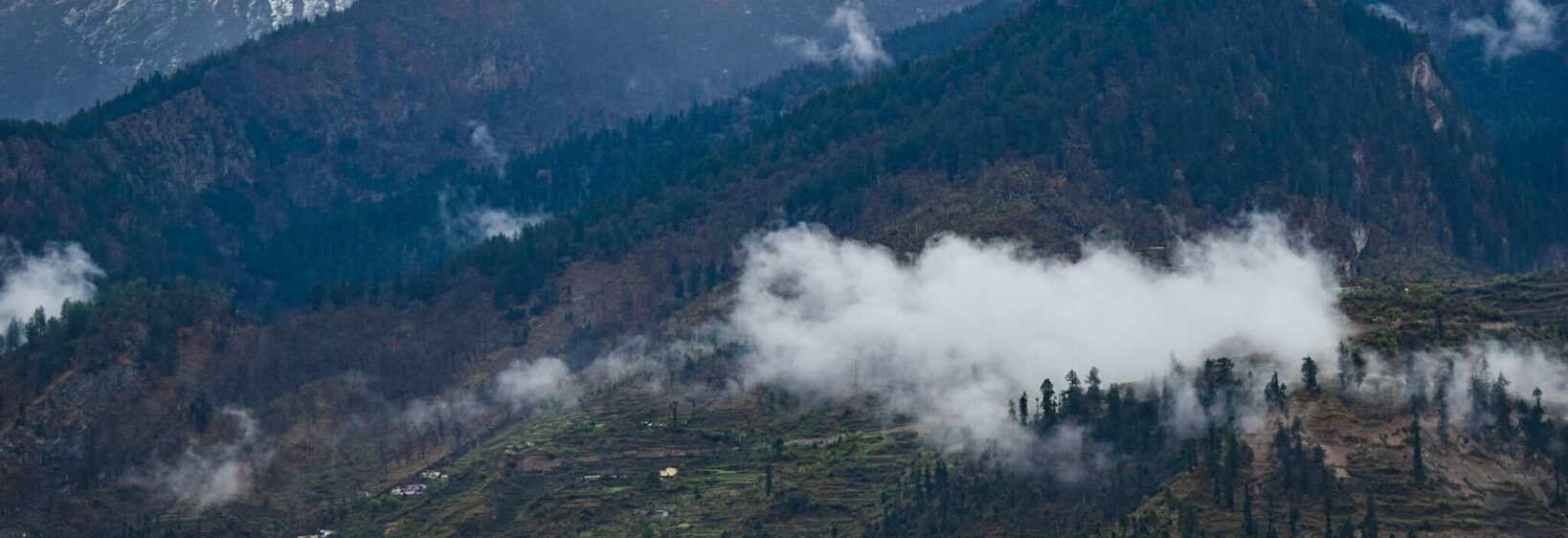
Uttarakhand changes character during the rainy season. Mountain slopes turn intensely green, waterfalls swell beside winding roads, and low clouds drift through pine and deodar forests. For photographers, this period offers atmospheric landscapes that are difficult to capture during the clearer, drier months.
The monsoon usually reaches the state in late June and continues through September, although rainfall varies significantly between valleys. The western Kumaon region, central hill towns, and Garhwal districts each create different photographic opportunities. Choosing the right weeks can make the difference between dramatic images and days spent waiting indoors.
Rain also brings practical complications. Roads may become slippery, trails can close temporarily, and mist can reduce visibility around high-altitude viewpoints. A thoughtful itinerary, flexible timing, and weather-resistant equipment are essential for enjoying Uttarakhand’s rainy-season scenery safely.
How The Monsoon Shapes The Landscape
June often begins with pre-monsoon showers. The first rains wash dust from the forests and revive streams, while scattered sunshine produces strong contrasts between dark clouds and illuminated ridges. This is a rewarding time for landscape photography because roads and trails are generally more accessible than during the wettest weeks.
July and August bring the richest greens, fullest waterfalls, and thickest cloud formations. Hillsides may disappear behind mist within minutes, creating layered compositions with a soft, cinematic quality. In September, rainfall often eases, leaving fresh vegetation, clearer intervals, and reflective pools along forest paths.
Regional Conditions To Consider
Garhwal destinations such as Rishikesh, Rudraprayag, and parts of the Alaknanda valley can experience intense rainfall and occasional road disruption. River photography is especially powerful during this period, but photographers should remain well away from swollen banks and avoid isolated areas after prolonged rain.
Kumaon destinations, including Ranikhet, Almora, and Binsar, often offer forest scenes with impressive depth and texture. The Binsar forest trails are particularly atmospheric when moss, wet bark, and drifting fog transform ordinary woodland into richly layered compositions.
| Period | Photographic Highlights | Main Considerations |
|---|---|---|
| Late June | Fresh greenery, first waterfalls, dramatic clouds | Showers may be irregular |
| July | Saturated forests, misty valleys, powerful streams | Frequent rain and travel delays |
| August | Lush mountain textures, cloud movement, village life | Landslide and trail risks |
| September | Fresher skies, wet foliage, reflective landscapes | Some waterfalls begin to weaken |
Choosing The Right Time Of Day
Early morning is usually the most dependable period for photography. Rain may pause overnight, leaving droplets on leaves and a thin veil of mist across valleys. Soft light suits portraits, village scenes, and close-up images of flowers, moss, and traditional architecture.
Late afternoon can produce dramatic cloud breaks, especially after a passing shower. Look for beams of sunlight touching a distant ridge or warm light reflecting from wet rooftops. Avoid photographing exposed viewpoints during thunderstorms, and never wait on ridgelines when lightning is nearby.
Subjects That Work Beautifully In Rain
Waterfalls are obvious monsoon subjects, but they are only one part of the visual story. Wet stone steps, leaking temple roofs, mountain streams, and umbrellas moving through a market can communicate the season more vividly than a wide landscape alone. Slow shutter speeds can soften flowing water, while faster settings preserve individual droplets and splashes.
Local life also becomes more expressive during the rains. Farmers work among vibrant terraces, children navigate muddy lanes, and roadside tea stalls become natural gathering places. Always ask permission before making close portraits, particularly in villages and around religious sites, and respect restrictions at temples.
Protecting Equipment And Staying Safe
A rain cover for the camera bag, several microfiber cloths, silica gel packets, and a waterproof pouch for batteries should be part of every kit. Carry a lightweight lens hood and avoid changing lenses outdoors when moisture is blowing through the air. If condensation forms after entering a warm room, leave the camera sealed in its bag until it gradually adjusts.
Travel with sturdy footwear and allow extra time between destinations. Check local road conditions before leaving, use licensed drivers on mountain routes, and avoid crossing streams that have risen after heavy rain. Download offline maps because mobile coverage can be inconsistent in forested and high-altitude areas.
Planning A Flexible Photography Itinerary
A successful rainy-season trip should have backup locations. If a high pass or remote trail becomes inaccessible, nearby forests, waterfalls, temples, and village roads can still provide compelling subjects. Staying two or three nights in one destination is often more productive than changing hotels every day.
Keep sunrise and sunset plans adaptable rather than building the entire schedule around a single viewpoint. Cloud cover can hide famous panoramas, yet reveal striking details in the surrounding landscape. A flexible approach encourages photographers to notice reflections, textures, local architecture, and changing weather instead of waiting only for a clear mountain vista.
Practical Choices For Better Images
- Carry two memory cards and keep important photographs backed up each evening.
- Use a polarizing filter carefully to control glare on wet leaves and rocks.
- Pack quick-drying clothing, waterproof footwear, and a spare camera battery.
- Choose homestays or hotels with covered verandas for safe, sheltered shooting.
- Check rainfall alerts and local travel advisories before visiting remote routes.
Monsoon photography in Uttarakhand rewards patience, preparation, and curiosity. Plan a flexible journey through the hills, protect your equipment, and make time for both iconic viewpoints and ordinary village moments. Start building your route around the seasonal landscapes now, and let the rain shape a distinctive visual story of the mountains.