The Sattal lake system: seven lakes and wetland bird photography
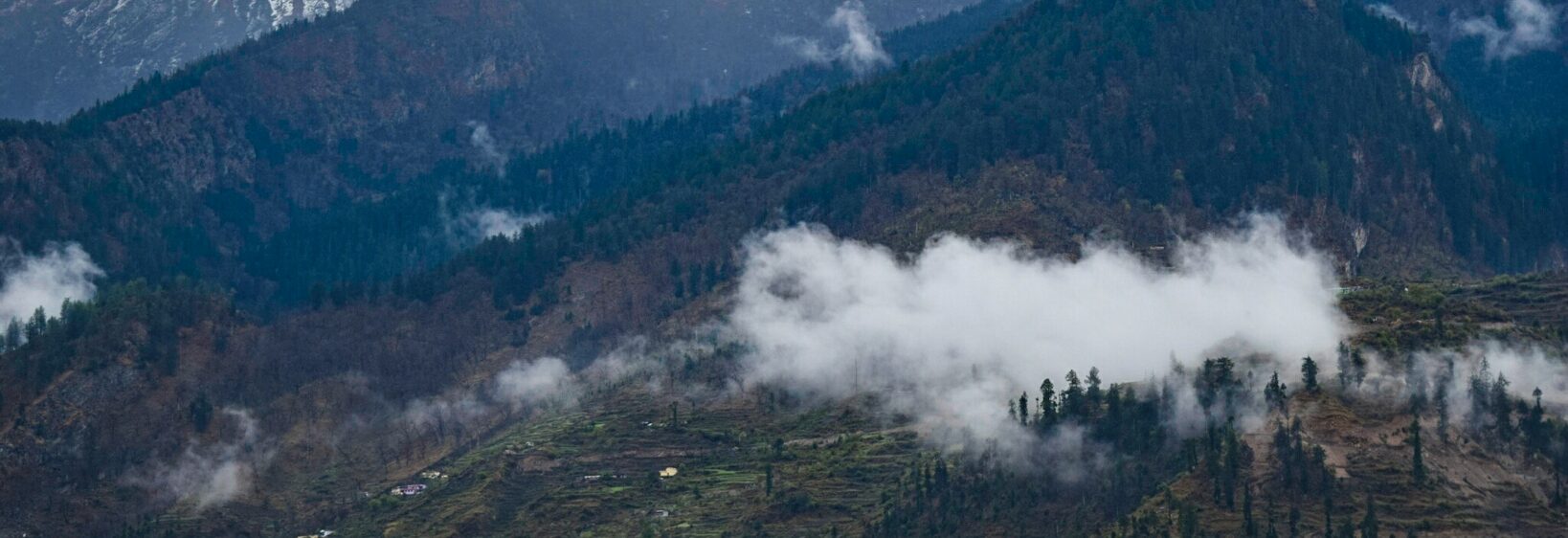
Set among the wooded hills of Kumaon, the Sattal Lake System is a chain of seven freshwater lakes with shorelines that shift between reed beds, forest and open water. It is a compact wetland destination, yet photography here rewards those prepared to explore beyond the busiest jetties and observe changing light, weather and bird behaviour.
Winter brings migratory waterbirds into the Kumaon hills, while common kingfishers, herons and lapwings provide year-round subjects. The mixture of arrivals and residents creates varied opportunities, particularly around dawn when mist hangs above the water and distant birds emerge as moving shapes.
Seven waters, one connected landscape
The seven lakes are Sattal, Bhimtal, Naukuchiatal, Nitalital, Suyarital, Shishital and Sukhital. They do not form one uninterrupted body of water: Bhimtal and Sattal have broad basins, Naukuchiatal is dotted with wooded islands, and the smaller upland lakes occupy quieter, steeper terrain. The name Sattal refers to this celebrated grouping of seven lakes.
Road travel concentrates around Bhimtal, Sattal and Naukuchiatal; the remaining lakes generally require walking, with trail conditions changing after monsoon rain. The wider landscape forms part of the Nanda Devi protected area, and Sattal and Bhimtal are recognised Ramsar wetlands. For a visual introduction to the region, Uttarakhand photo stories can help connect these habitats with nearby destinations such as Nainital and Almora.
Winter arrivals and daily light
From October into March, the lakes offer their strongest seasonal contrast. Eurasian spoonbills, northern shovelers, redshanks and other northern migrants can join grey herons, little egrets, black-headed ibises and great crested grebes. Sightings vary between years and weather, so treat a species checklist as a possibility rather than a promise. Patience often produces better results than covering ground quickly.
Early morning usually brings the calmest water, soft mist and the best chance of observing birds feeding near the margins. Late afternoon can also reward photographers when cloud opens over the ridges and illuminates the islands. The June-to-September monsoon turns the slopes intensely green, but heavy rain may close tracks or reduce visibility. Check local conditions and allow more travel time than a winter itinerary suggests.
Lenses, boats and low-angle images
A 100–400 mm zoom is a practical all-round lens for wetland work. A 500 or 600 mm lens helps isolate distant flocks, although it is demanding to handle from a small boat. Bring weather-sealed camera bodies, spare batteries, fast memory cards and a lens cloth; spray, insects and sudden showers can interrupt a session. A lightweight tripod is useful, provided it does not obstruct walkers or other boats.
Low viewpoints create stronger photographs, but the best angle is not worth disturbing wildlife. Keep your distance from feeding areas and avoid landing on nesting islands. Instead of using calls, bait or flash to provoke a reaction, wait until birds resume their normal movements, then frame their behaviour with a longer lens.
Many Australian bird photographers already work with long lenses, field notebooks and an eye for subtle behaviour. That experience transfers well, although the enclosed Kumaon setting presents different challenges: reflections compete with subjects, forest edges reduce contrast and rain may arrive during a slow approach. A slow shutter speed can suggest movement in still images, yet birds taking flight need a faster response.
Building an Australian-friendly itinerary
Most visitors from Australia enter India through Delhi or Chandigarh before continuing to Bhimtal, rather than arriving directly at the lakes. Domestic flights connect with regional services, and time in Delhi or Chandigarh allows photographers to adjust to local traffic and changing road conditions. A prearranged vehicle is usually more practical than relying on frequent transport between individual lakes.
Cash remains useful in Bhimtal’s market, tea stalls and village shops, where card acceptance may be inconsistent. Sydney and Melbourne camera and outdoor shops make replacement equipment easy to find before departure, but the same range should not be expected in the hills. Pack binoculars locally if possible and carry water, snacks, sunscreen and insect repellent, much as you would for an Australian weekend walk.
For route logistics around Bhimtal, Naukuchiatal and Almora, check regional travel planning before booking. Confirm local access and drone permissions instead of assuming that rules familiar from Australian state parks apply in India. Returning to Australia also requires attention to the Biosecurity Act 2015 and its regulations: used outdoor gear and footwear must be declared and may require treatment, while soil and live bait must not be carried home.
A low-impact approach to lake photography
A schedule built around every possible photograph can crowd the accessible jetties and leave quieter shoreline habitats unexplored. Walk established paths, keep voices low and avoid approaching birds simply because a cleaner background would be possible. Ask a permitted local boat operator which areas are closed or sensitive before entering the marsh.
- Work with a permitted local operator and ask about low-impact landing points and suitable viewing areas.
- Keep to firm paths and stable edges, avoiding reeds, mudflats and islands used for nesting.
- Use a telephoto lens rather than moving closer, and avoid flash, calls or bait that alter bird behaviour.
- Remove all litter, avoid contaminated water and withhold the precise locations of vulnerable nests from published images.
When birds continue feeding without watching the photographer, the wetland is functioning as it should. That calm, undisturbed scene is worth more than any image obtained by forcing a bird to move.