A Beginner’s Guide to Trekking in the Garhwal Himalayas
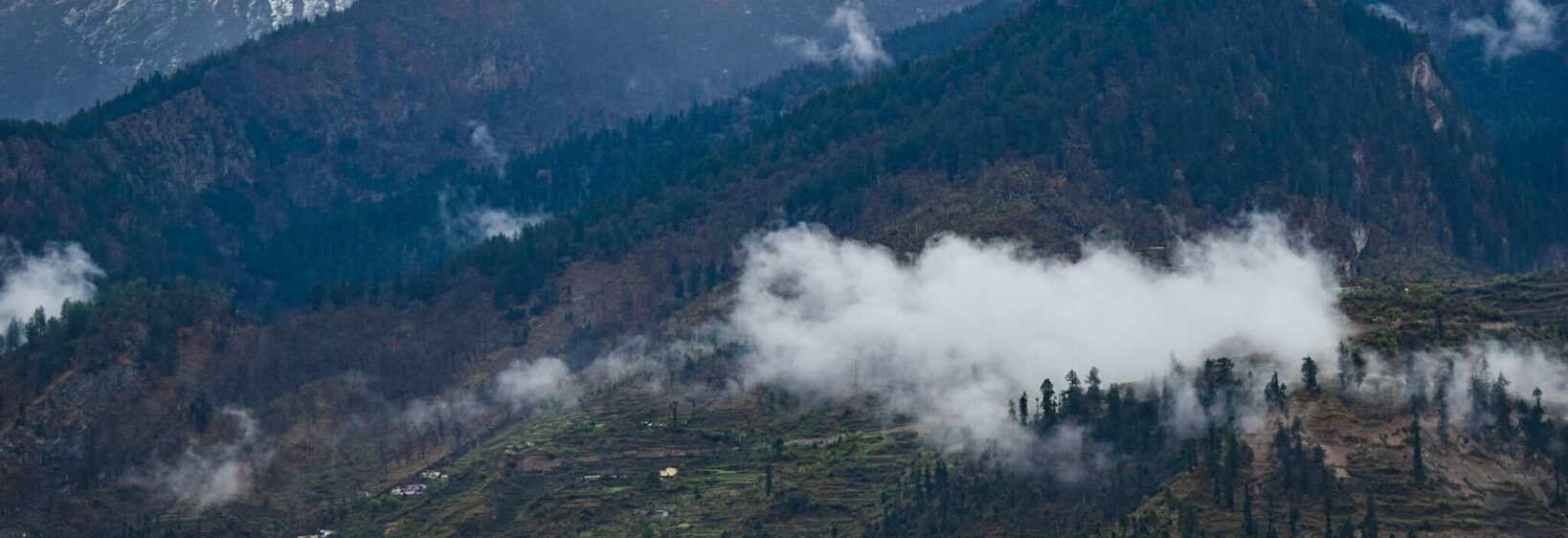
The Garhwal Himalayas offer an inviting mix of forest trails, alpine meadows, sacred rivers, mountain villages, and wide views of snow-covered peaks. For first-time trekkers, the region provides manageable routes as well as demanding high-altitude adventures, making it possible to choose an experience that matches your fitness and confidence.
Popular areas include Rishikesh, Uttarkashi, Chamoli, Rudraprayag, and the valleys around Joshimath. Treks such as Deoria Tal, Nag Tibba, Valley of Flowers, and Kuari Pass introduce walkers to the landscapes and traditions of Uttarakhand without requiring advanced mountaineering skills. The Uttarakhand travel stories available through local photography and travel resources can also help you understand the scenery before setting out.
A successful Himalayan trek depends less on speed than on preparation. Careful route selection, gradual acclimatization, suitable clothing, and respect for local communities will make the journey safer and more enjoyable.
Choose A Route That Matches Your Experience
Beginners should start with a trail that has moderate daily distances, reliable accommodation or campsites, and straightforward navigation. Deoria Tal is a popular short trek, while Nag Tibba offers a rewarding summit experience close to Mussoorie and Dehradun. The Valley of Flowers is longer and involves altitude, but its marked path and established trekking infrastructure suit reasonably fit newcomers.
Consider the total walking hours, highest sleeping altitude, season, and availability of guides before booking. A route that looks short on a map can become demanding because of steep ascents, slippery stone paths, or changing weather.
Prepare Your Body And Schedule
Begin conditioning four to six weeks before departure. Brisk walking, stair climbing, cycling, and squats can improve stamina and leg strength. Add a light backpack during training so your shoulders and hips become accustomed to carrying essential gear.
Build rest days into your itinerary, especially when travelling above 2,500 metres. Avoid rushing from the plains to a high campsite in a single day. Headaches, nausea, unusual tiredness, and poor sleep may indicate altitude sickness; report these symptoms promptly and descend if they worsen.
Pack For Changing Mountain Weather
Garhwal weather can shift from bright sunshine to rain, hail, or cold wind within a few hours. Use layers rather than one heavy garment: a moisture-wicking base layer, fleece or light insulation, and a waterproof shell provide greater flexibility.
Essential items include sturdy trekking shoes with ankle support, woollen socks, a headlamp, water bottles, sunscreen, sunglasses, personal medication, a first-aid kit, and a power bank. Pack a rain cover for your backpack and keep documents, cash, and electronics in waterproof pouches.
Understand The Trail And Local Customs
Many Garhwal routes pass through villages, temples, grazing areas, and protected forests. Ask before photographing residents, shrines, or ceremonies, and dress modestly near pilgrimage sites. Learning a few polite Hindi phrases can make everyday interactions warmer and more practical.
Stay on established paths, carry waste back to a collection point, and avoid picking flowers or disturbing wildlife. Use refill stations where available and treat mountain streams carefully. Local guides and porters bring valuable knowledge of weather, terrain, and village etiquette, while also supporting the regional economy.
Compare Popular Beginner-Friendly Treks
The best choice depends on your available time, fitness, preferred scenery, and tolerance for altitude. The following overview offers a practical starting point, although conditions and itineraries can change each season.
| Trek | Typical Duration | Approximate Highest Point | Main Appeal |
|---|---|---|---|
| Deoria Tal | 2–3 days | About 2,440 m | Forest paths and reflective mountain views |
| Nag Tibba | 2–3 days | About 3,022 m | Accessible summit near Mussoorie |
| Valley Of Flowers | 4–6 days | About 3,600 m | Alpine blooms and dramatic valleys |
| Kuari Pass | 5–7 days | About 3,650 m | Himalayan panoramas and ridge walking |
| Dodital | 5–7 days | About 3,024 m | Forests, lake scenery, and quieter trails |
Book popular routes early during summer and autumn, particularly when permits, park entries, guides, or camping equipment are required. Confirm current road conditions and weather forecasts because landslides and heavy rain can affect access in the monsoon period.
Make Your First Trek Safer
A few practical habits can prevent common problems and keep the experience comfortable:
- Share your itinerary, emergency contacts, and expected return date with someone at home.
- Carry enough water and use purification tablets or a reliable filter when treated supplies are unavailable.
- Walk at a steady pace, taking short breaks instead of exhausting yourself early.
- Keep emergency cash, identification, and essential medicines in a waterproof pouch.
- Choose registered guides, reputable operators, and accommodation with clear safety arrangements.
Avoid trekking alone on unfamiliar high-altitude trails. Start early, leave enough daylight for the return journey, and turn back when weather, health, or trail conditions become unsafe. A flexible plan is a strength in the mountains, not a failure.
Begin with a short Garhwal route, travel responsibly, and give yourself time to appreciate the villages, forests, temples, and changing Himalayan light along the way. Pack thoughtfully, respect the landscape, and set out with a qualified local guide for a memorable first trekking experience.