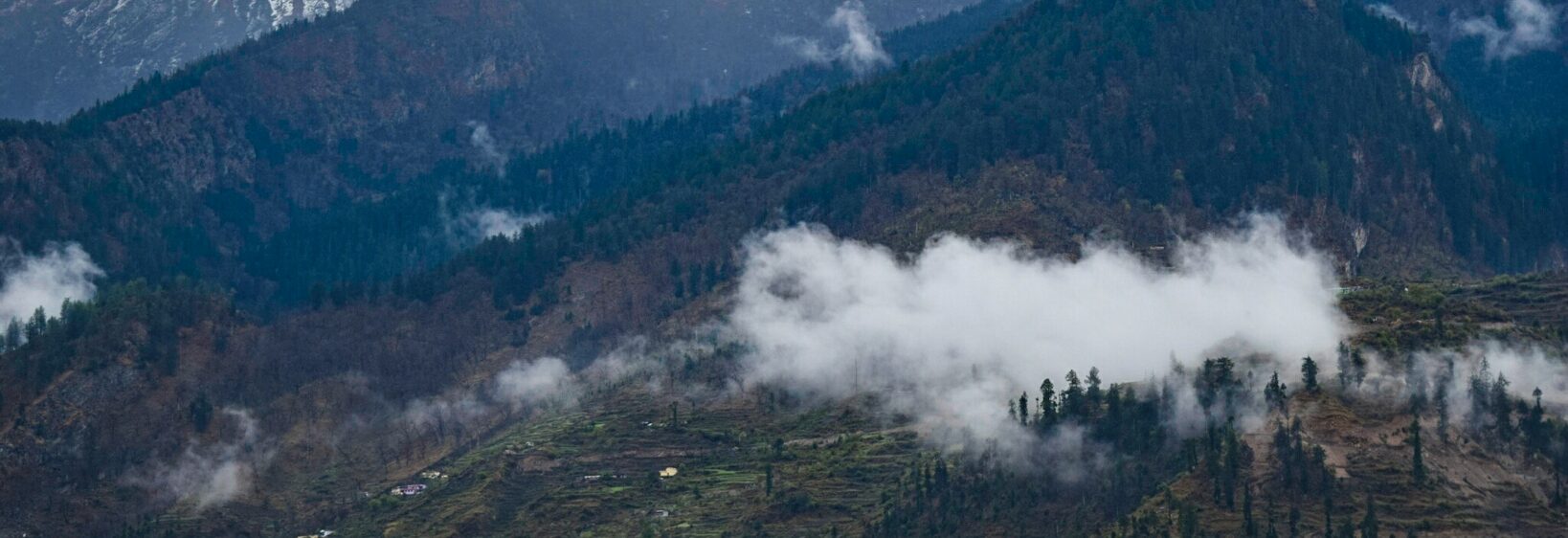
Patal Dev Temple and the sacred river beneath Pauri
Beneath Pauri Garhwal’s wooded hills, Patal Dev Temple draws visitors into a cave chamber where a clear stream runs beside a shrine. The setting feels unlike a conventional temple courtyard: water drips, lamps glow on wet rock, and fish glide through a pool fed from below. It is one of Uttarakhand’s most memorable small pilgrimage sites.
The temple honours Patal Dev, understood locally as a form of Vishnu. Its central legend involves an underground waterway and the arrival of a sacred leaf, which reaches the deity through the current. Devotees also associate the fish with divine grace, believing that offerings carried by the water can return a favour to the person who makes them.
For Australian travellers, the easiest rhythm is usually a flight into Delhi followed by road travel north through Dehradun or Rishikesh to Pauri. The cool, forested highlands can feel reminiscent of a Blue Mountains weekend, although roads are narrower, steeper and less predictable. Build in time for weather, landslides and changing village roads rather than treating Pauri as a quick stop from Delhi.
Small practical differences matter. “Ji” is a respectful suffix in local conversation, while “darshan” means seeing or worshipping the deity; both may appear in directions even when English is spoken. Shared jeeps, local taxis and hired drivers are more common than reliable app-based rides, so arranging transport with a guesthouse or tour operator is sensible.
Origins and the hidden stream
According to local lore, the underground stream is the temple’s defining wonder. A leaf placed in the water is said to reach the deity, while coins offered at the shrine may be taken by the fish and later returned if a wish is granted. The story links the river, the fish and the act of devotion into one continuous ritual.
The water itself is a defining part of the experience, regardless of the interpretation placed on the legend. Regional photographs and travel notes from UK Photos Gallery can place this intimate shrine within the wider context of Pauri’s ridges, villages and pilgrimage routes.
Inside the underground passage
Access leads visitors down steps and through a narrow passage towards the illuminated shrine. The rock walls are uneven and often damp, so footwear must be removed before entering the sacred area. Low ceilings, close quarters and the sound of running water create a surprisingly atmospheric transition from the bright Himalayan landscape outside.
At the chamber, devotees stand beside the stream, watch the fish and make offerings near the deity’s image. Photography is generally welcomed from some viewpoints, but flash and close-up photography may be restricted. Visitors should also follow local directions, particularly when space becomes crowded during festivals or festivals days.
Sacred fish, coins and devotion
The fish are regarded as more than a decorative feature of the pool. People pause to watch them glide between the stones, and small feedings may be permitted in certain areas. Those who place a coin into the water sometimes hope to see a fish carry it away, symbolising the acceptance of the offering.
The custom is best approached respectfully. Do not push into the water, damage the shrine or handle the fish. Small-denomination coins can be offered where authorised, while food should only be given if current local guidance permits it. The emphasis remains on observing the flow of the stream and the quiet responses of the fish.
| Feature | Underground shrine | Wider Pauri experience |
|---|---|---|
| Setting | Wet cave chamber and flowing stream | Forest paths, hillside villages and open-air viewpoints |
| Atmosphere | Dim lamps, close sounds and intimate worship | Bright valley views, market chatter and relaxed walks |
| Customs | Leaf, coin and fish associations | Garhwali temples, local food and seasonal festivals |
| Preparation | Modest clothing, removable footwear and small cash | Walking shoes, rain layers and flexible transport plans |
Planning a visit from Australia
The journey from Delhi to Pauri usually takes the best part of a day by road, with Dehradun and Rishikesh serving as common overnight bases. An early start can avoid some traffic, but daylight is essential for mountain roads that become slippery during monsoon rain. Checking local road and temple conditions shortly before departure is advisable.
Carry some Indian rupees because small donations, roadside snacks and transport fares may be easier to pay for in cash. UPI is widely used in larger towns, though it is less dependable at small shrines and rural junctions. Australian travellers should also check Indian Standard Time against their home time zone, including any daylight-saving changes.
For a longer road trip, packing light can make the experience more comfortable. This minimalist travel account explains how its writers created room for extended travel, a useful reminder that every unnecessary item becomes another burden on a multi-day Indian journey.
Pauri beyond the temple
Pauri Garhwal also provides access to the Naina Devi and Gulma Devi temples, while the Swargarohini area offers forest trails and broad views across the Himalayan foothills. Local markets, Garhwali food and small hillside villages give the pilgrimage more context than the cave shrine alone.
The stream’s quiet movement, the fish below and the changing reflections of lamps on wet stone make this a deeply sensory destination. Pauri rewards visitors who allow time for both devotion and the surrounding mountain landscape, leaving the underground sanctuary as the distinctive centre of the journey.