A Culinary Tour Through Uttarakhand’s Mountain Flavours
Uttarakhand’s food culture is shaped by altitude, forest produce, seasonal farming, and the practical wisdom of mountain households. Its dishes are hearty without being heavy, built around lentils, millets, leafy greens, wild herbs, and ingredients that store well through long winters.
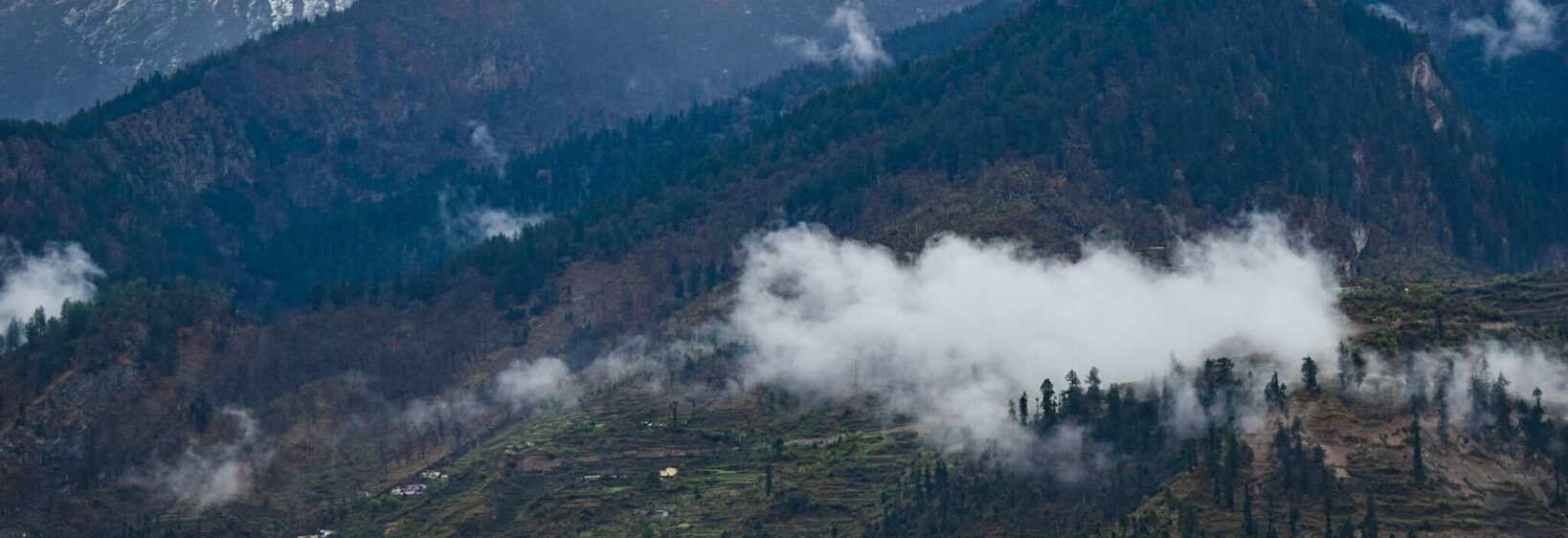
A culinary tour of the state moves from Garhwal to Kumaon, from roadside tea stalls to village kitchens. Along the way, familiar staples such as potatoes and rice take on distinctive forms, while local pulses and grains provide flavours rarely found in ordinary restaurant menus.
Food is also closely connected with festivals, pilgrimages, harvests, and family gatherings. A meal in Uttarakhand often tells the story of its landscape as clearly as a walking trail or an old stone temple.
The Mountain Pantry
The traditional pantry relies on ingredients that grow in small terraced fields or can be gathered nearby. Mandua, or finger millet, is valued for its nourishment, while jhangora, a local millet, is commonly used in sweet and savoury preparations. Bhatt, a dark horse gram-like pulse, and gahat, or kulath, are essential sources of protein.
Mustard oil, cumin, jakhiya seeds, coriander, and red chillies create much of the region’s characteristic aroma. Jakhiya is especially distinctive: when fried in hot oil, the tiny seeds crackle and add a nutty, earthy note to vegetables and lentils.
Breads, Chutneys, And Everyday Plates
Bing ki roti is one of the lesser-known regional breads encountered during a local food journey. Household recipes differ between valleys, but the dish reflects the mountain habit of turning simple, locally milled ingredients into filling flatbreads. It is best enjoyed fresh, with seasonal vegetables, curd, or a sharp chutney.
Bhaang ki chutney, made from roasted hemp seeds, green chillies, coriander, garlic, and usually lemon or tamarind, is among Uttarakhand’s most recognisable accompaniments. It has a pleasant toasted flavour rather than the intoxicating effect associated with the plant. A small serving can transform plain rice, potatoes, or roti.
Pulses With Deep Mountain Flavour
Gahat dal has a rich, earthy taste and is traditionally appreciated during colder months. The pulse is simmered until tender and seasoned with spices, garlic, and a tempering of oil. Some versions are made thinner as a soup, while others are cooked thick and served with rice.
Bhatt ki churkani is another Kumaoni favourite, prepared from black soybeans cooked into a smooth, dark gravy. Chainsoo uses roasted ground pulses, often black gram or bhatt, to produce a deeply savoury dish. These recipes demonstrate how roasting and slow cooking can create complexity without expensive ingredients.
| Dish | Main Ingredient | Typical Character | Best Served With |
|---|---|---|---|
| Gahat Dal | Horse gram | Earthy, warming, protein-rich | Rice or roti |
| Bhatt Ki Churkani | Black soybean | Creamy and robust | Steamed rice |
| Kafuli | Spinach and fenugreek greens | Herbal and comforting | Rice or mandua roti |
| Aloo Ke Gutke | Potatoes and local spices | Smoky, crisp-edged, tangy | Roti or tea |
| Jhangora Ki Kheer | Barnyard millet | Lightly nutty and sweet | Festive meals |
Greens, Potatoes, And Seasonal Produce
Kafuli is a celebrated leafy green preparation made with spinach, fenugreek, or other available greens. The leaves are cooked and blended into a thick dish, then finished with spices and sometimes rice flour for body. It is wholesome, warming, and particularly satisfying after a day in cool mountain air.
Aloo ke gutke is more than a simple potato dish. Potatoes are cut into chunks and tossed with mustard oil, red chillies, coriander, and jakhiya or cumin. The crisp edges absorb the spices, making the dish a popular breakfast, snack, or side dish. Regional vegetables, pumpkin, radish, and nettle greens also appear according to the season.
Sweets And Festive Specialties
Jhangora ki kheer offers a lighter alternative to rice pudding. The local millet is simmered slowly with milk, sugar, and cardamom until creamy. Its subtle graininess gives the dessert a character that feels connected to the fields where it is grown.
Kumaon is also known for bal mithai, a fudge-like sweet coated with tiny sugar balls, and singori, a milk-based delicacy wrapped in fragrant maalu leaves. Arsa, made from rice, jaggery, and oil, is associated with celebrations and family occasions. These sweets make meaningful edible souvenirs when bought fresh from a trusted local shop.
Tasting Uttarakhand Responsibly
A memorable food trail benefits from patience. Village dishes may be prepared only when ingredients are available, and recipes can change from one household to the next. Asking about the grain, spice blend, or cooking method often reveals a story about local farming and community life.
Travel photography can preserve those details, from a copper cooking vessel to a market stall filled with red chillies. Alongside destination guides and local visual stories, UK travel photography can help travellers discover the cultural settings behind Uttarakhand’s food traditions.
Ways To Plan Your Food Trail
- Begin in Rishikesh or Dehradun for broad restaurant choices, then seek traditional meals in smaller Garhwal and Kumaon towns.
- Visit local markets early, when fresh greens, pulses, pickles, and regional sweets are most plentiful.
- Try one millet-based dish, one local pulse, one seasonal vegetable, and one traditional sweet in every destination.
- Choose family-run eateries and homestays where recipes are more likely to reflect local practice.
- Carry modest portions of packaged bal mithai, spices, or chutney as souvenirs, while respecting restrictions on fresh food during travel.
The most rewarding journey through Uttarakhand is measured in flavours as much as kilometres. Follow a plate of gahat dal with hot roti, share aloo ke gutke beside a mountain road, and leave room for singori or jhangora ki kheer. Add these dishes to your next Uttarakhand itinerary and experience the state through the kitchens, farms, and people that give its cuisine a living identity.